Local detail
When to Get Help
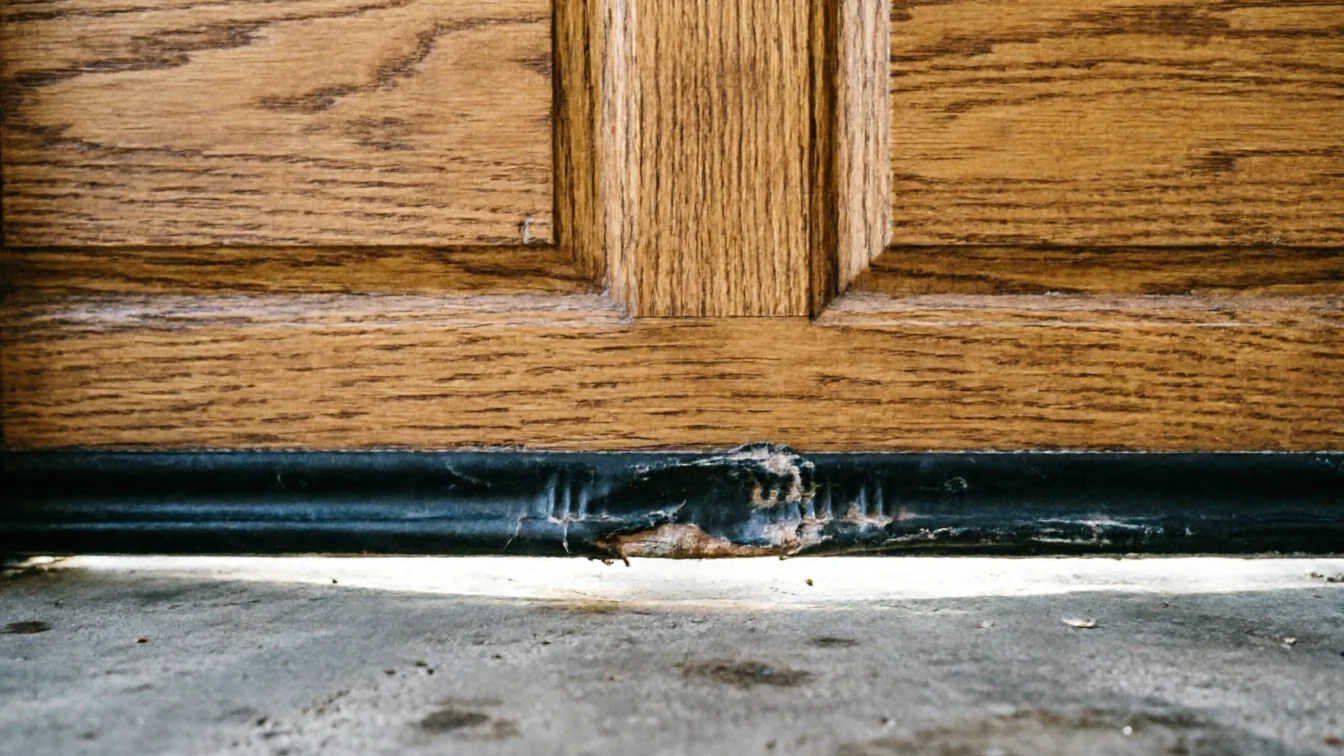
Call when you can see daylight around the door, feel a steady draught across your ankles when you walk past it, or notice the garage running warmer in summer than it used to. Grapevine's housing stock runs mostly from the 1980s and 90s, per the 24 named areas that make up most of the market, and the bottom seal and side weatherstripping that came with those builds are past their service life by now. Vinyl that's been baked through summer after summer in this HEAT-moderate climate band doesn't flex anymore - it cracks, pulls away from the track, or shrinks enough to leave a gap you can fit a finger through. If the seal looks intact but the draught is still there, the problem usually isn't the seal at all - it's a door that's racked out of square or a track that's bowed, and sealing over that just delays the real repair. Get it looked at before you replace parts that aren't actually broken.
The area
What Most People Get Wrong
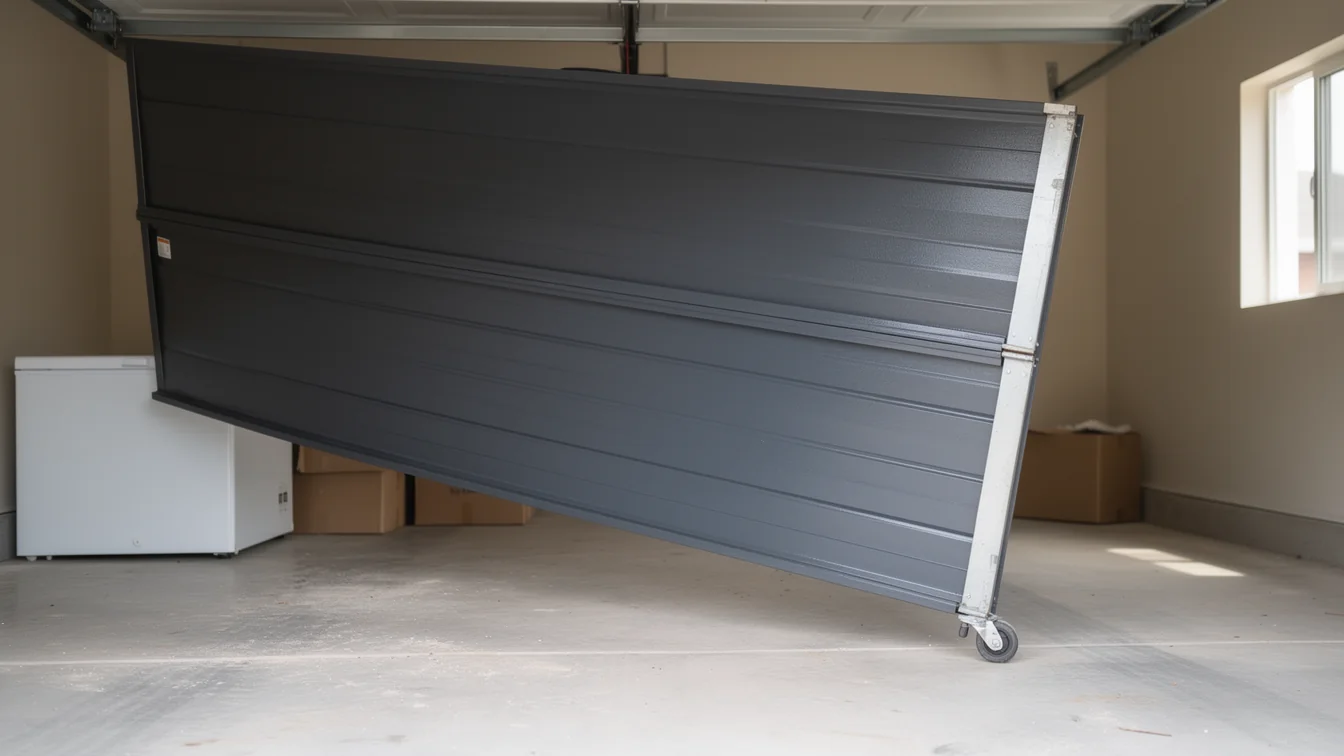
The common mistake is buying a universal weatherstrip kit and matching it to the door brand instead of the opening. Houses built across the 1980s-90s wave in this area often used slightly different jamb depths from builder to builder, even on the same street, so a seal that fits one neighbor's door sits loose or binds on the next. The other mistake is treating the bottom seal as the whole job. On a door that's seen 30-plus years of Texas heat, the side and top seals have usually given out around the same time as the bottom one, just less visibly, so replacing only the bottom leaves two more leak points untouched. People also assume a draught means a bad seal when it's often a panel that's warped from heat cycling - common on steel doors from that era that don't have a thermal break. Pushing a new seal against a warped panel doesn't close the gap, it just hides it for a season.
What we find
How Local Conditions Play In
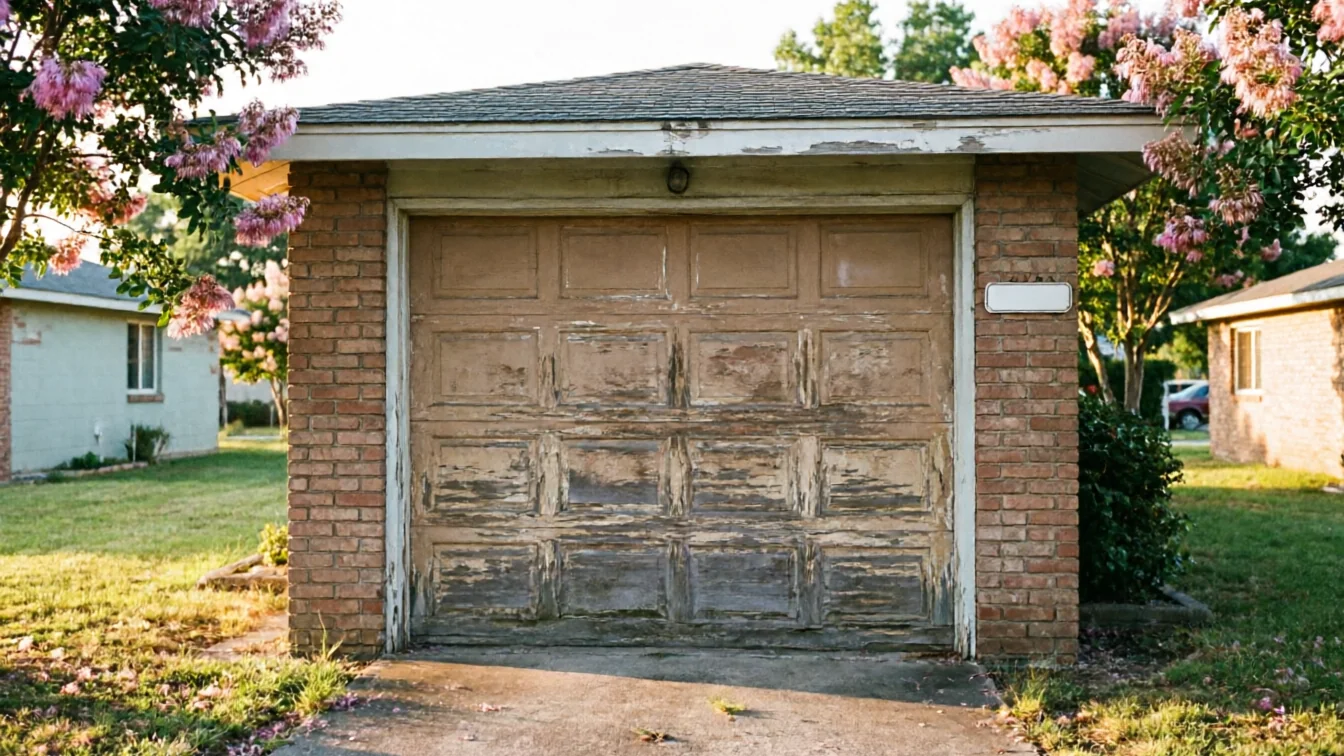
Grapevine sits in a moderate-heat climate band, which means the seals here aren't fighting freeze-thaw cracking the way they would further north - they're fighting UV and heat cycling instead. A garage door skin heats up, expands, and contracts every day it sits in direct sun, and over enough years that movement works the weatherstripping loose at the corners before it fails along the flat runs. With median household income in the service area at $145,297 and most housing dating to 1999 on average, a fair number of these garages have been converted into finished space or workshops where the owner actually cares about the temperature inside - which makes a failed seal a comfort problem, not just a dust problem. That's different from a climate where the seal mainly keeps out rain or ice. Here it's about keeping conditioned air in and keeping the slab from turning the garage into an oven by July.
How we work
The Situation
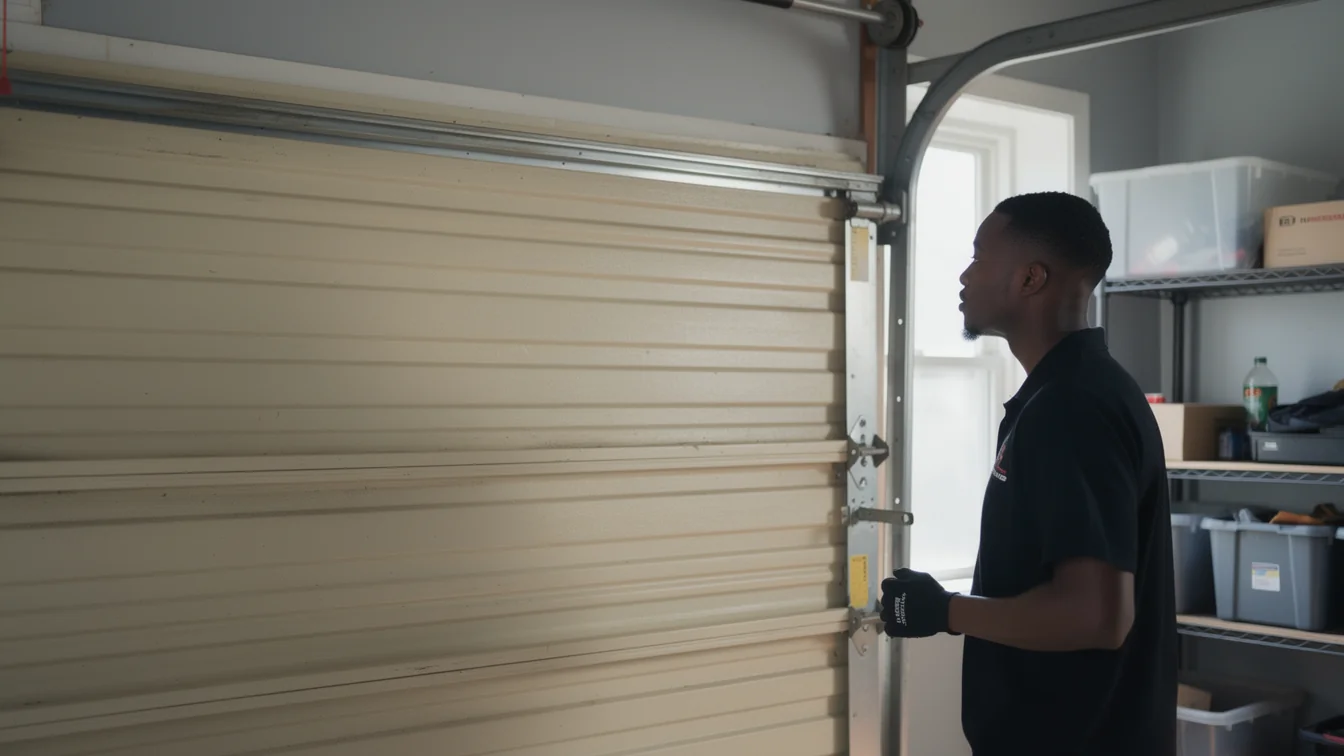
Across the service area - 114,435 households, about 67,437 of them owner-occupied houses - a meaningful share of garages are original to builds from the 1980s and 90s, and age is the single biggest predictor of a failed seal we see on a call. We carry standard bottom seal and top-and-side weatherstrip stock on the truck, but we don't carry every jamb-depth variation for every build era, so on an older or oddball opening we sometimes need to order the exact profile rather than force a fit. That's the honest limit: if your door is one of the less common sizes from that older stock, expect a short wait on parts rather than a same-visit fix. For most doors in the area, though, it's a straightforward swap once we're on site and can measure the actual gap instead of guessing from a parts catalog.
Talk to a local pro
Garage door trouble in Grapevine?
Same-day service with honest, upfront quotes.