Local detail
When to Get Help
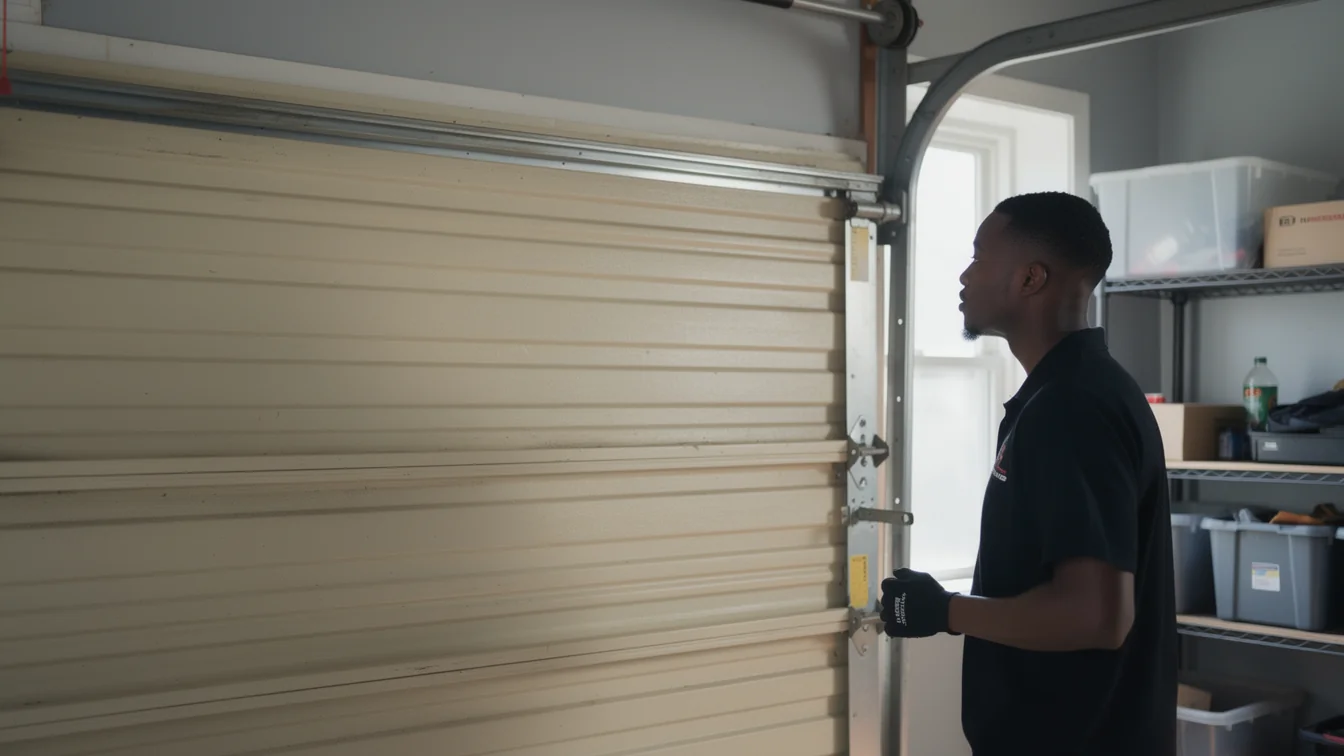
Most houses in this service area went up between 1959 and 2014, with the median landing around 1999. That means a lot of doors out there are pushing twenty-five years old, and the springs, rollers, and openers on them are well past their rated cycle count even if nobody's touched them. If your door is from that original build and it's started groaning on the way up, slamming the last foot on the way down, or the opener is grinding before it lifts, that's not a tune-up problem anymore - that's wear finally catching up to age.
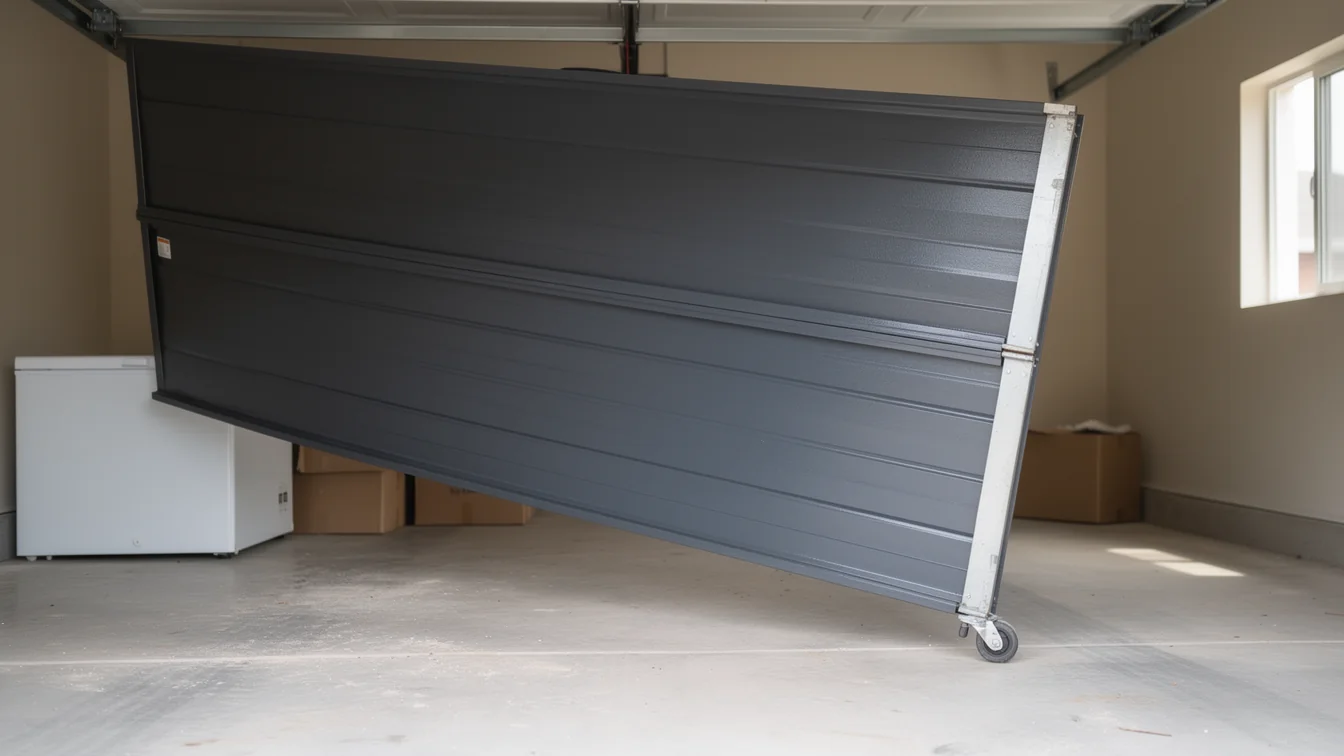
Call us before the door drops. A torsion spring that's visibly stretched or has a gap between coils can snap, and when it does on a door this old, it often takes a cable or a bottom bracket with it. We'd rather look at it on a Tuesday afternoon than get the call after it's already come down on someone's bumper.
If the door still moves smooth and quiet, you don't need us yet. Most of what we see in this age range is manageable with the right parts, not a full teardown.
The area
What Most People Get Wrong
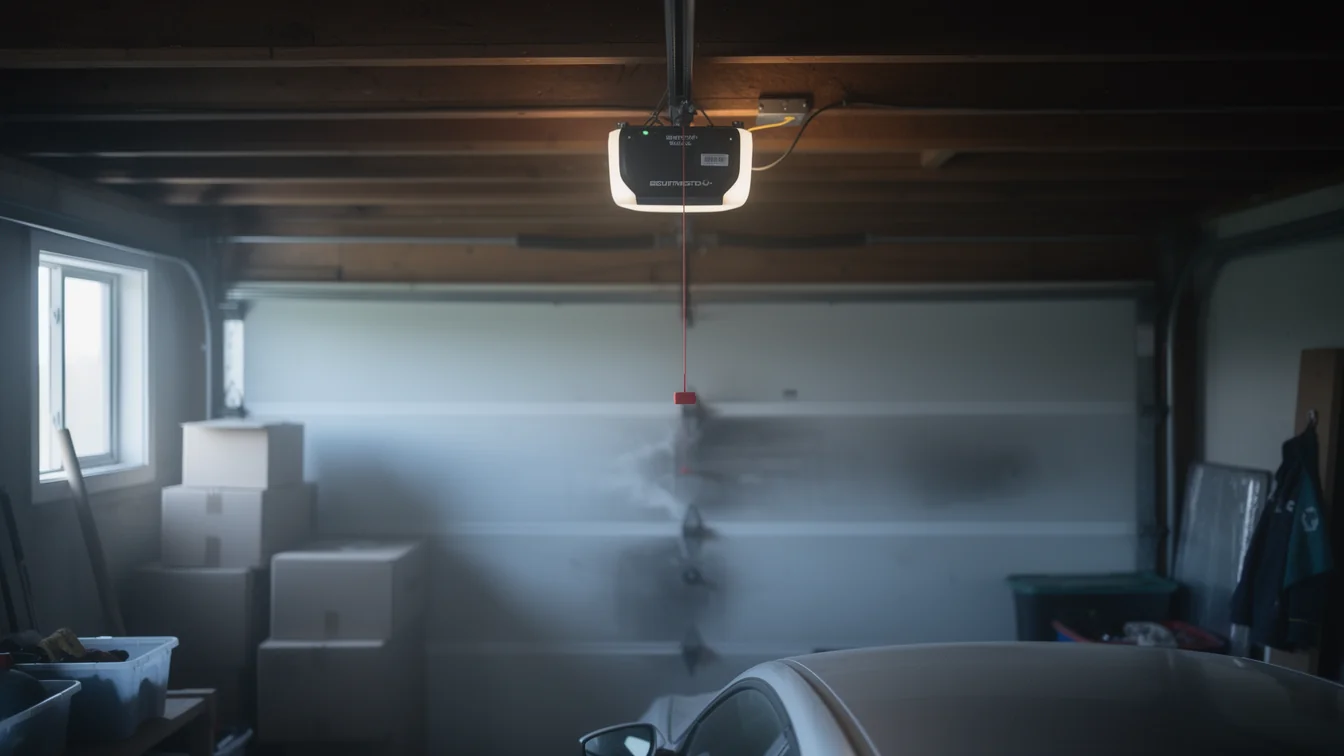
The biggest mistake we see in homes built in the 1980s and 90s - and that's most of what's out here across the 24 areas we work - is treating a sticking door like it's an opener problem. People replace the opener, the door still binds, and now they've spent money on the wrong half of the system. Nine times out of ten on a house that age, it's the rollers and the track alignment, not the motor.
The other common error is replacing a spring with whatever size the hardware store has instead of matching it to the door's actual weight and the drum size it was built with. A spring that's close but not right either burns out the opener trying to compensate, or leaves the door too heavy to lift by hand if the power's out. On a house from this era, with original doors and original track hardware that nobody stocks in a standard size anymore, that matching matters more than people think.
We also see folks wait too long because the door still technically works. A door that works rough for another year costs more to fix than one caught early, because the strain travels - bent track pulls at the bracket, a tired spring overloads the opener gears.
What we find
How Local Conditions Play In
Our climate here runs moderate on heat, which is kinder to garage doors than the extreme end of Texas, but it's not nothing. Steel panels on a south or west-facing garage still expand and contract enough over a season to loosen weatherstrip and shift panel seams, especially on doors original to houses built in the 80s and 90s that have been through three decades of that cycle. Lubricant on rollers and hinges dries out faster with repeated heat swings than people expect, which is part of why a door that sounds fine in spring starts squealing by late summer.
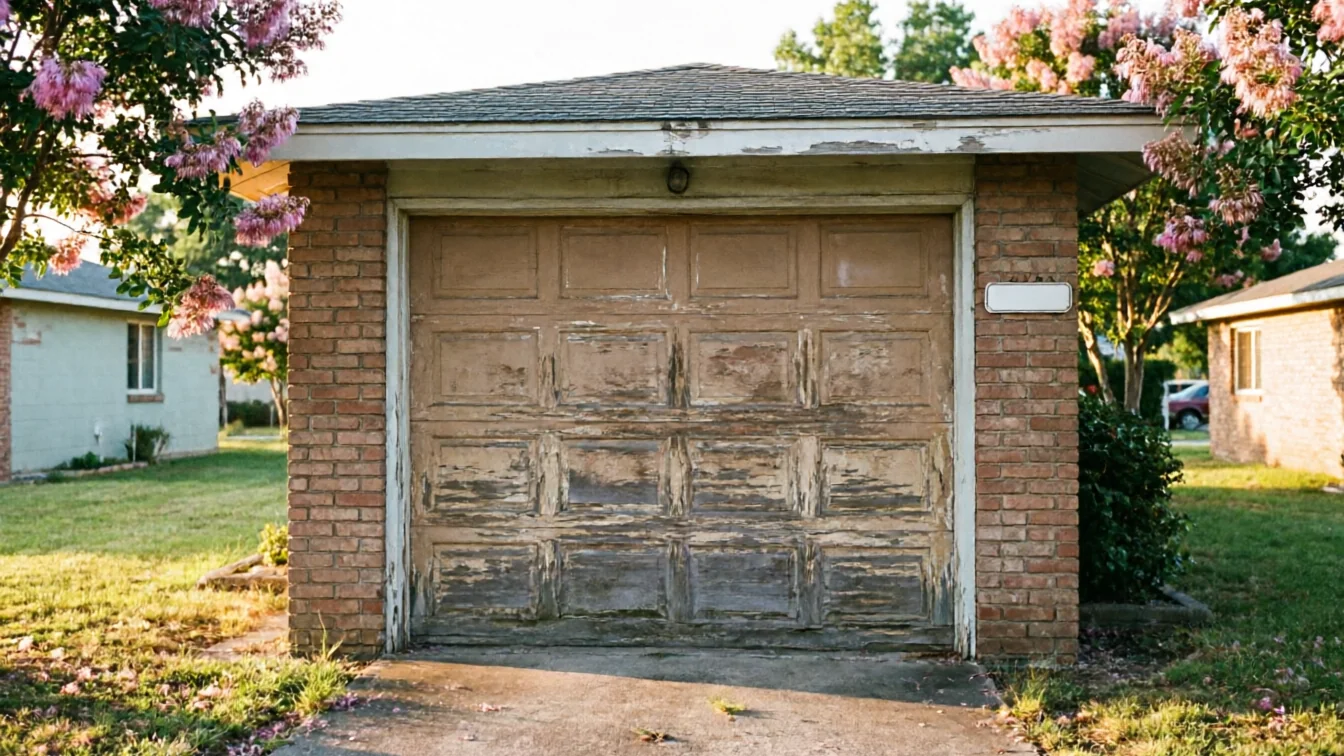
On a door that's still within a reasonable age range, this is a maintenance issue - we lube it, check the balance, and it's good for another stretch. On a door that's already at the far end of that 1959-2014 build window, heat-driven wear on top of age-driven wear is usually what tips it from repairable to not worth it. The panel material itself gets brittle at the seams before it fails outright, and that's a hard thing to catch without putting hands on it.
How we work
The Situation
Whether a door is worth fixing comes down to what's actually wrong and how old the bones are under it. A door with a snapped spring, a dented panel, or a bad opener board on a frame that's otherwise sound is almost always worth repairing - those are parts jobs, not structural ones. A door where the track is bent in two places, the panels are rusting from the inside out, and the springs have already been replaced once is a different conversation. At that point you're paying to patch something that's going to need the next thing fixed in a year.
We can't give you a number over the phone for that call - it genuinely depends on what we find when the door's open and we can see the track, the hinges, and the panel seams up close. What we can tell you is that in a service area where most homes are 1980s-90s stock, replacement makes more financial sense than people assume, because a new door built for today's hardware standards often outperforms a repaired original for less than people expect to spend fixing it piece by piece.
If you're not sure which side of that line your door falls on, that's a reasonable thing to have looked at before deciding either way.
Talk to a local pro
Garage door trouble in Grapevine?
Same-day service with honest, upfront quotes.