How to Book
Call us and tell us what the door is doing - grinding, refusing to open, hanging crooked on one side. That's enough for us to bring the right parts on the first trip instead of guessing.
Service area boundary check
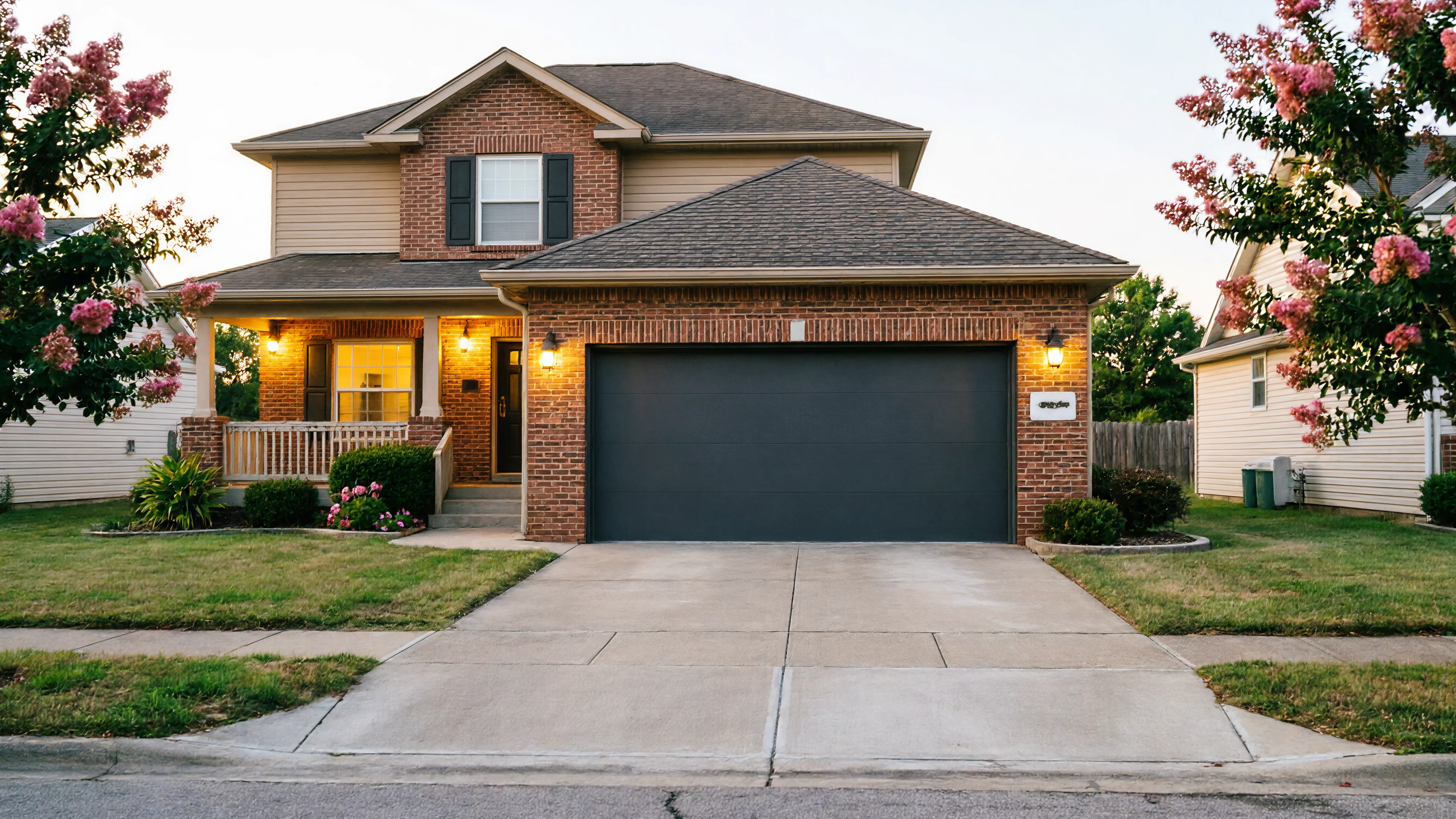
We work across the Grapevine service area, and if your street falls outside it we'll say so up front rather than waste your afternoon. We ask for the rough age of the house if you know it, because in this market that single number tells us a lot about what's likely inside the garage.
Original torsion setups
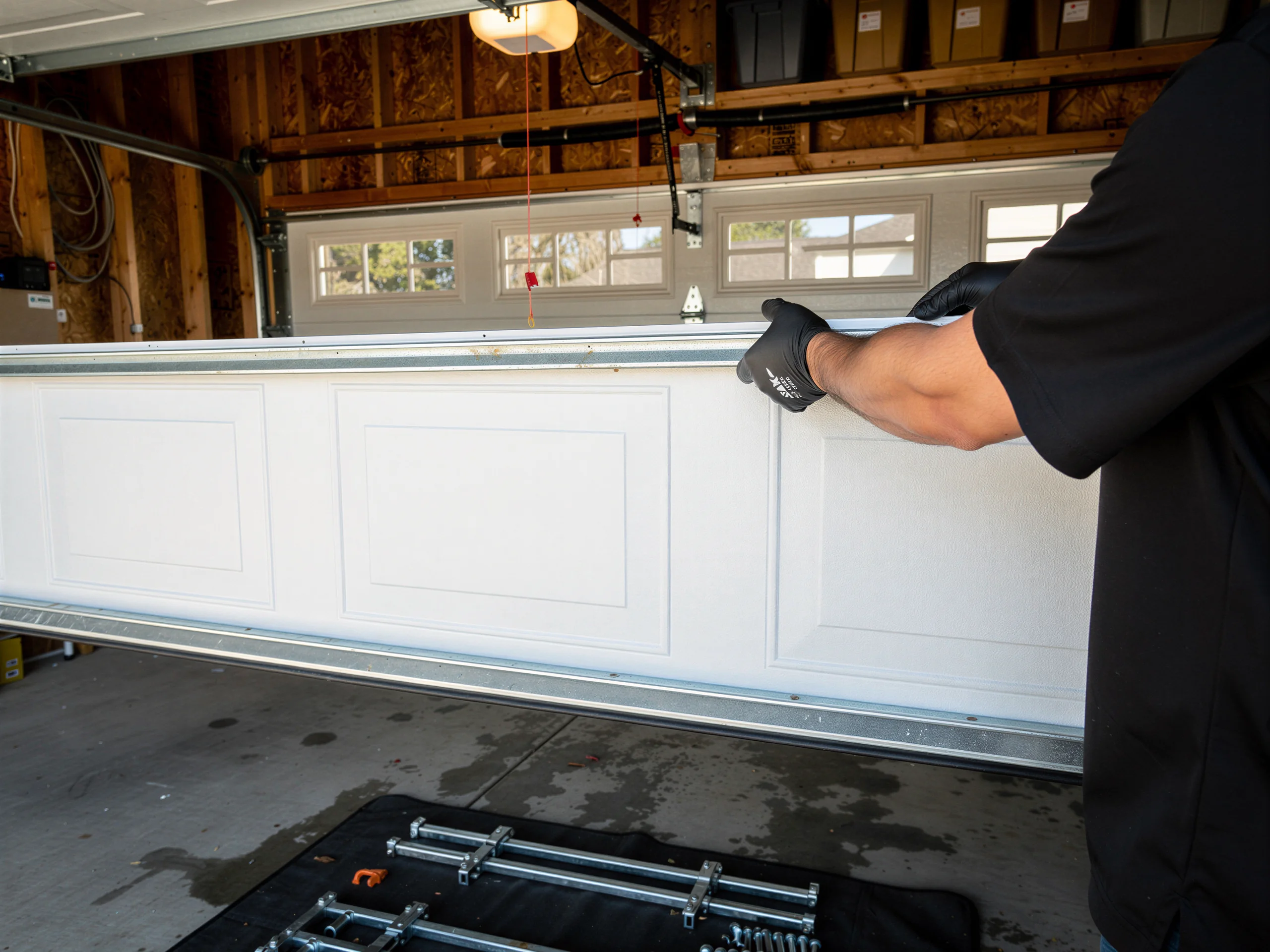
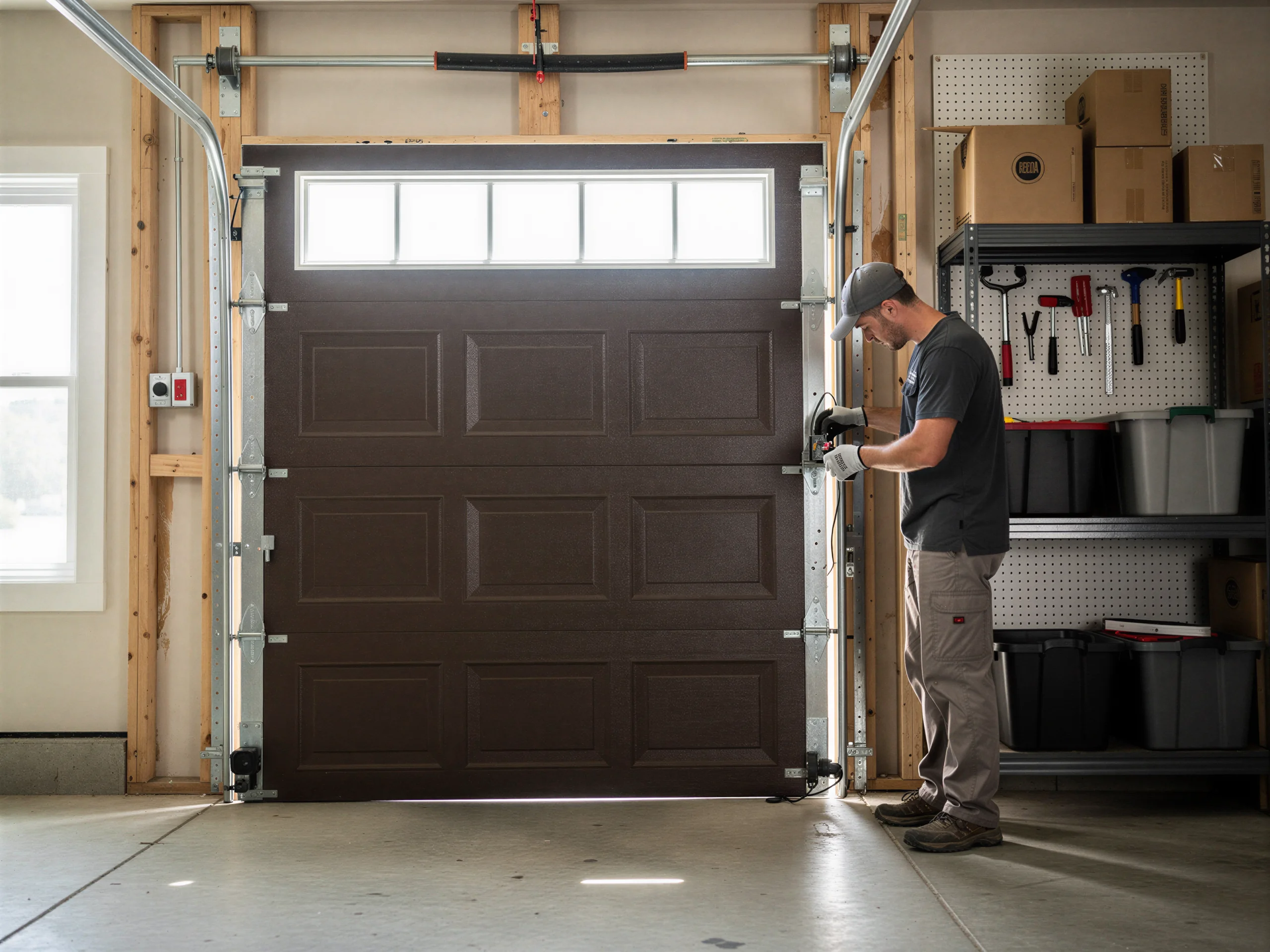
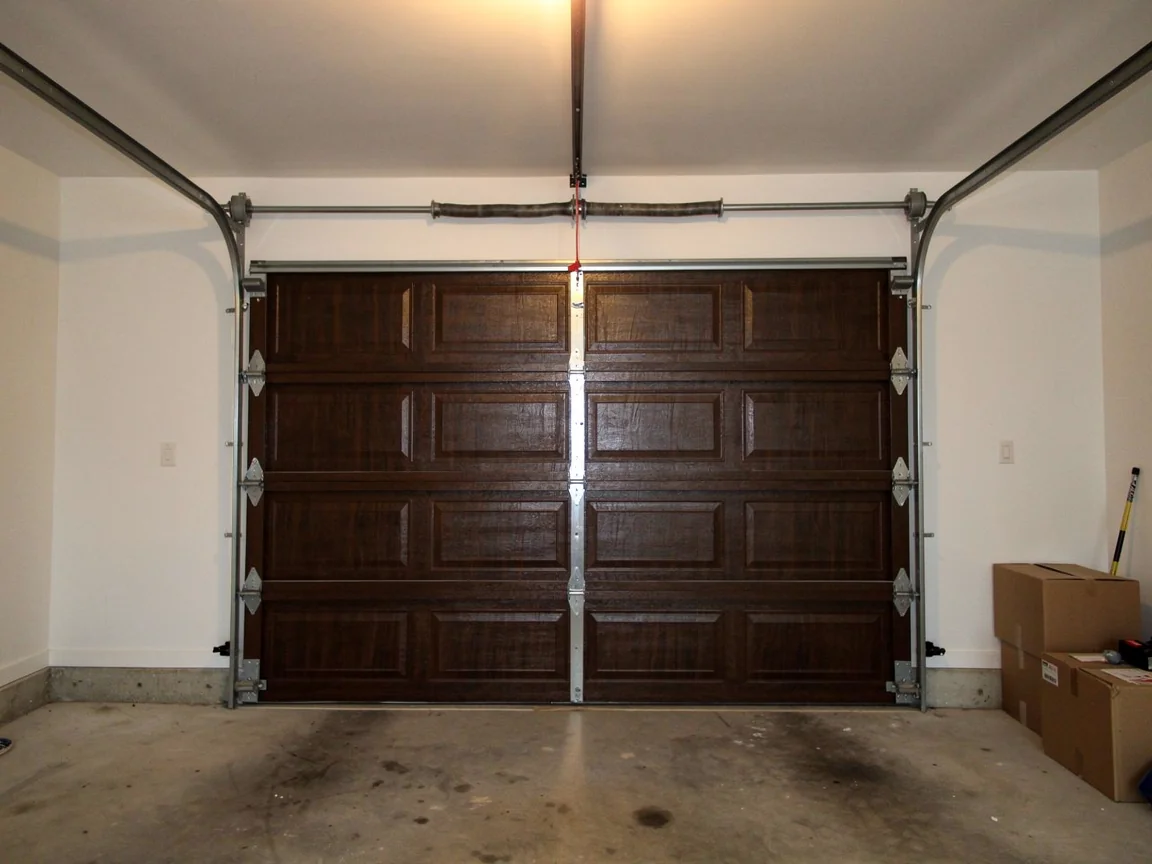
A house built in the late 1980s or early 1990s almost always still has its original torsion spring setup unless someone's already replaced it, and that changes what we load on the truck. If you can get a photo of the spring assembly above the door - the coiled metal bar running across the header - send it along. It saves a diagnostic step and usually saves you money on the call.
Model details not needed
We don't need the make and model of your opener before we show up; we'll find that in two minutes on site. Booking is simple: tell us the symptom, give us the address, and we'll tell you honestly whether it sounds like a same-visit fix or something that needs a part ordered first. Use the link below to reach us. Grapevine Garage Door Pros.
The Symptom
The call we get most from this part of the metro is a door that's suddenly heavy - it used to lift with one hand or glide up on the opener without strain, and now it groans, drags, or stops halfway and reverses.
Bang then crooked door
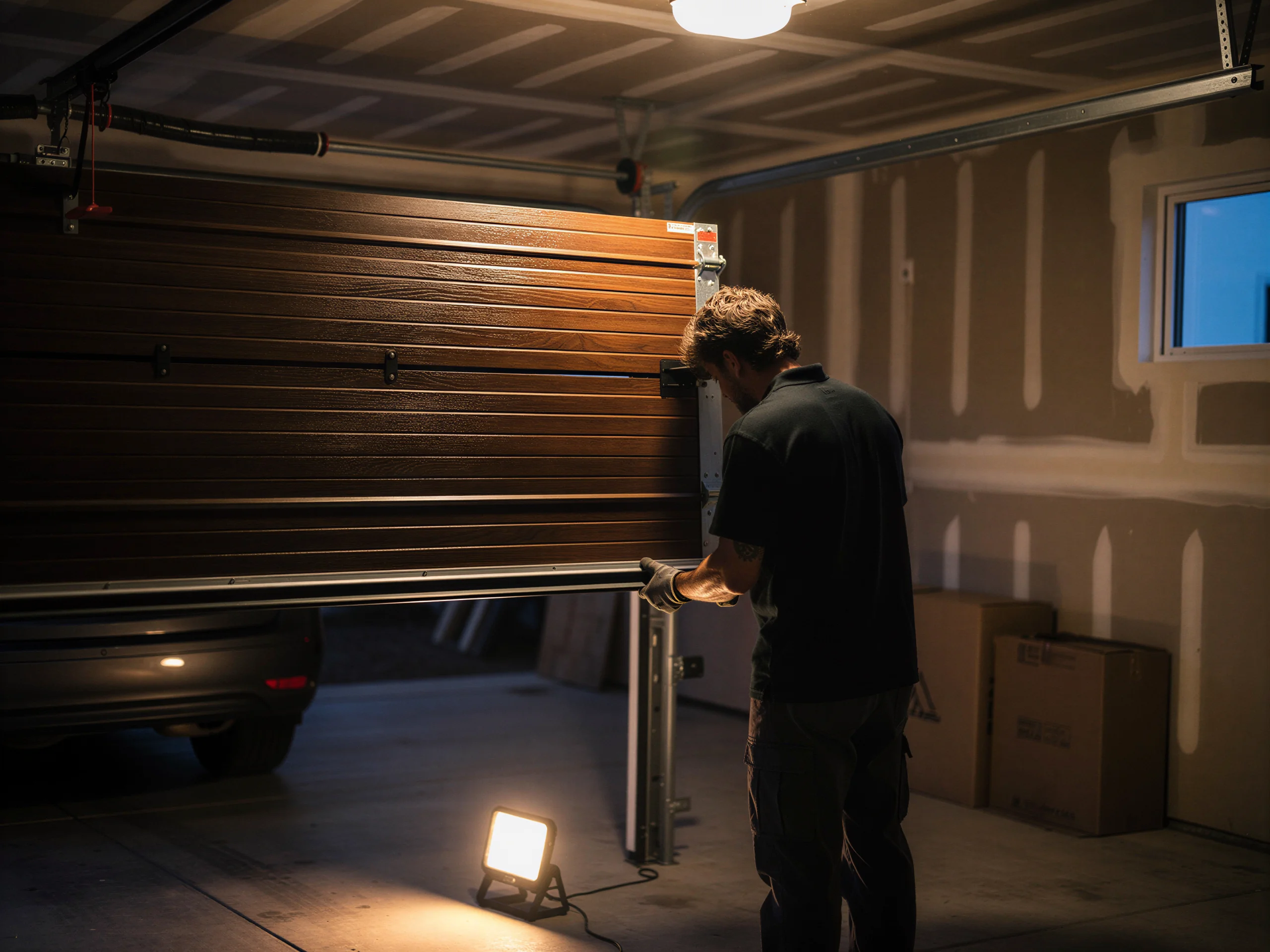
Sometimes there's a loud bang from the garage first, a single crack like a board snapping, and after that the door won't move at all, or it moves but sits crooked, one side higher than the other. That's a torsion spring giving out. The spring does almost all the lifting work; the opener just triggers the motion.
Motor strain from spring failure
When it breaks, the opener motor tries to do a job it was never built for, strains, and either stalls or burns out trying. Grapevine's housing stock matters here. Most of the service area was built out between 1959 and 2014, with the bulk of it going up through the 1980s and 90s across the area's established neighborhoods. A spring installed when that house was framed has been cycling for twenty-five to forty years.
Heat accelerates steel fatigue
Torsion springs are rated in cycles, not years, and a spring from that era is well past the point where failure becomes a matter of when, not if. The moderate heat here adds to it - steel expands and contracts through the yearly swing, and that repeated flex is part of what fatigues a coil that's already decades old.
Doing It Yourself
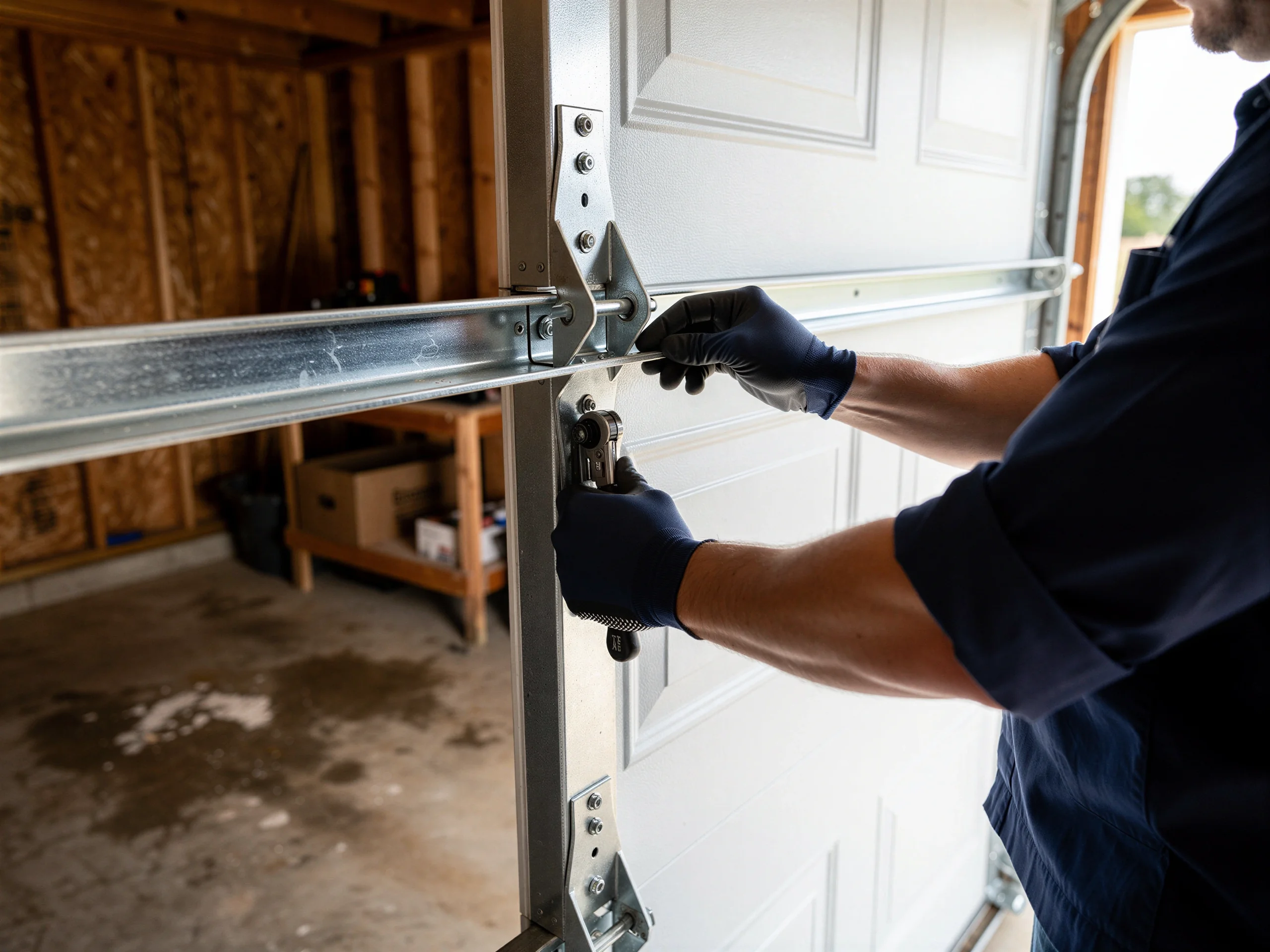
A torsion spring sits under enough tension to cause serious injury, and we're not going to walk you through replacing one yourself. That's not us protecting a job - it's genuinely one of the few home repairs where a mistake can break bones or worse, and the specialized winding bars most people don't own and shouldn't buy for a once-ever job.
Roller wear inspection
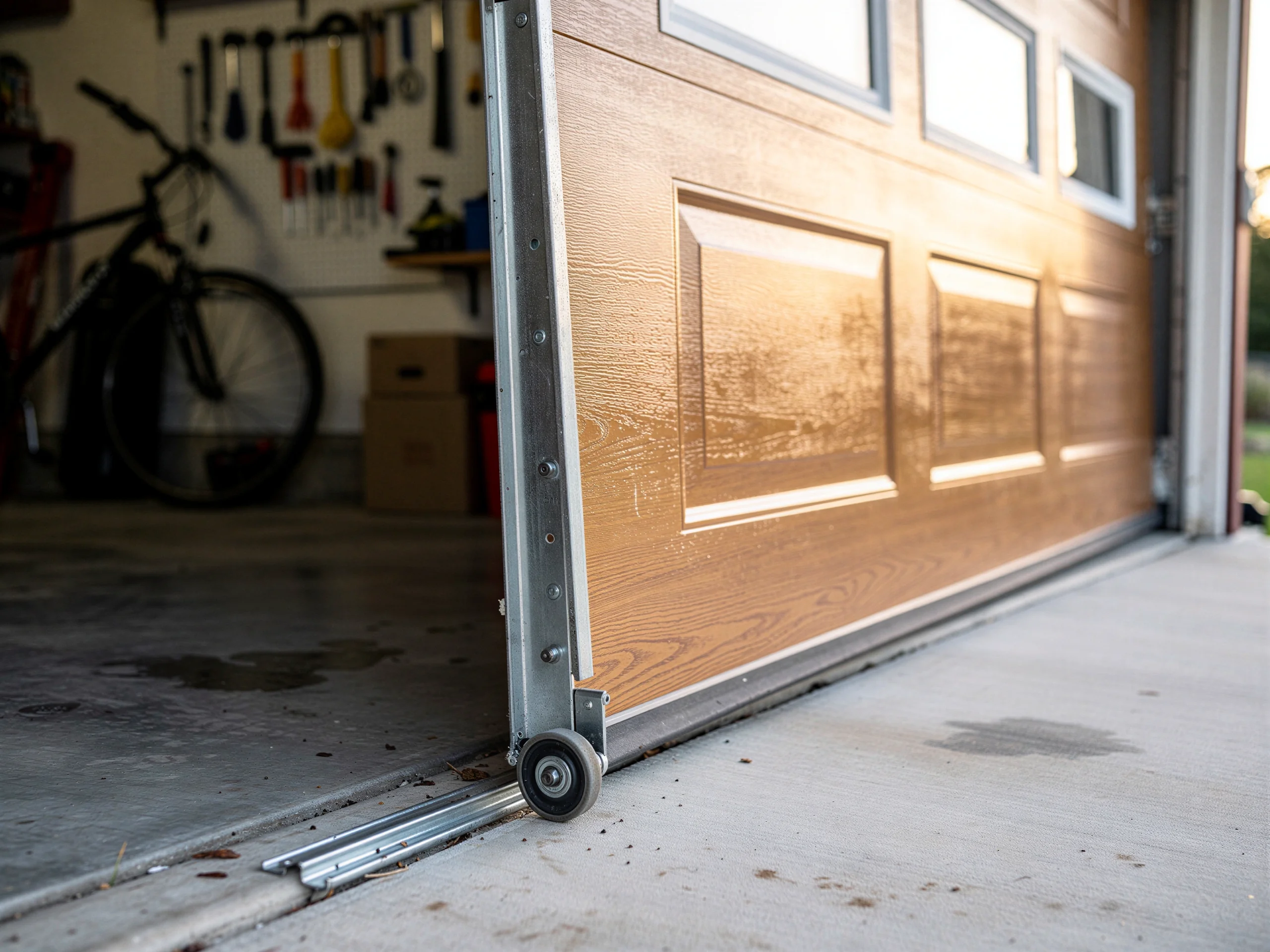
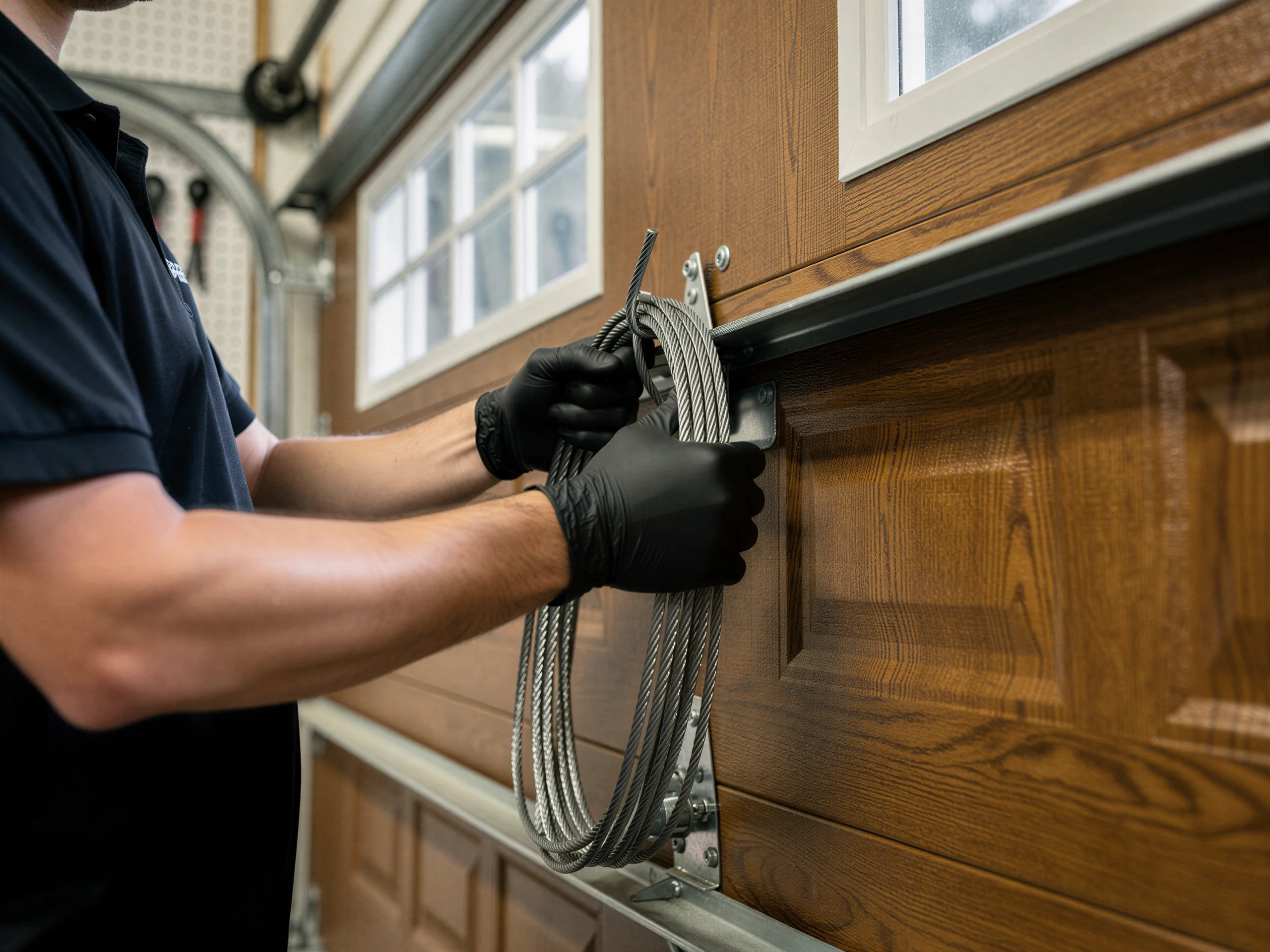
There's plenty you can safely check first, though. Look at the rollers - the small wheels running in the track on each side of the door. If they're cracked, flat on one side, or chalky-looking, that's wear, not an emergency, and it's worth mentioning when you call so we can bring replacements.
Track and force checks
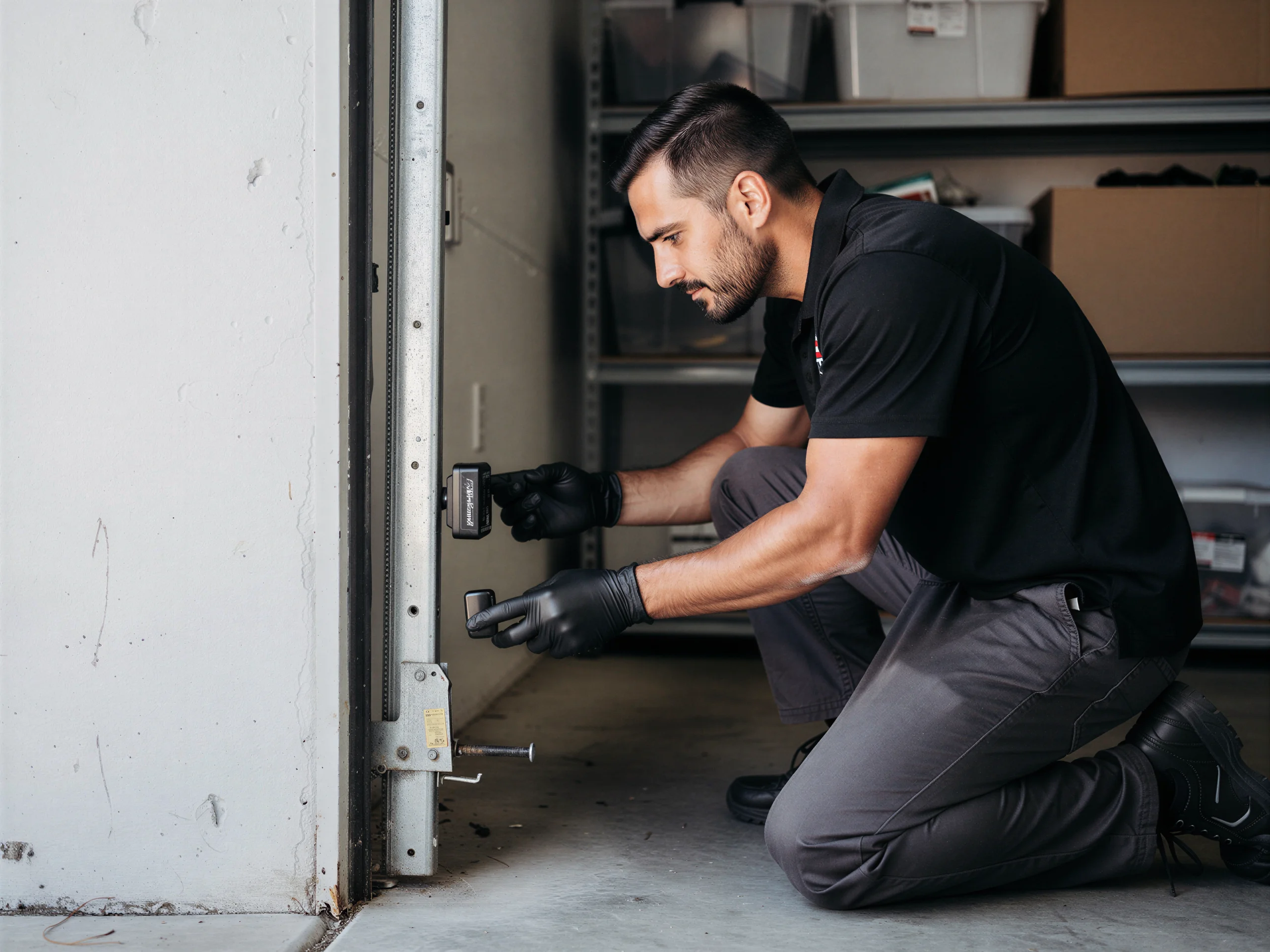
Check that the track itself isn't bent or pulled away from the wall bracket; a door that's been fighting a dying spring sometimes stresses the track trying to compensate. You can also test the opener's force setting safely from the ground - if the door reverses on a light touch, that's the opener sensing resistance, often from the same worn spring, and it's a clue, not a fix.
Hands off tensioned parts
Beyond that: don't cut a spring that's under tension, don't force a door that's stuck halfway, and don't disconnect the opener trolley to try to lift it manually if it feels unusually heavy. Heavy means the spring is already failing, and it's doing more of the holding than you'd expect.
Why This Fails Locally
The reason this keeps showing up as a service call across Grapevine's established neighborhoods isn't bad luck - it's the math of the housing stock. With most homes here built between 1959 and 2014 and the heaviest concentration going up through the 1980s and 90s, a large share of garage doors in the service area are still running on original or first-replacement hardware installed decades ago. Springs don't last forever regardless of brand, and a house built in 1988 has had thirty-five years of door cycles to wear one down.
The moderate heat band this area sits in compounds it quietly. It's not extreme enough to crack vinyl seals the way a desert climate would, but the seasonal swing still puts steel through a yearly expansion-and-contraction cycle, and that repeated flex is a known contributor to metal fatigue in torsion springs that are already near the end of their rated life. It's a slow failure mode, not a dramatic one - which is exactly why it catches people off guard with a sudden bang instead of a warning.
With 67,437 owner-occupied houses across the broader service area, a meaningful share of them built in that same 1980s-90s window, this isn't a rare edge case - it's the single most common reason a Grapevine-area door stops working without warning.
Talk to a local pro
Garage door service in Grapevine?
Same-day service with honest, upfront quotes.