Local detail
When to Get Help
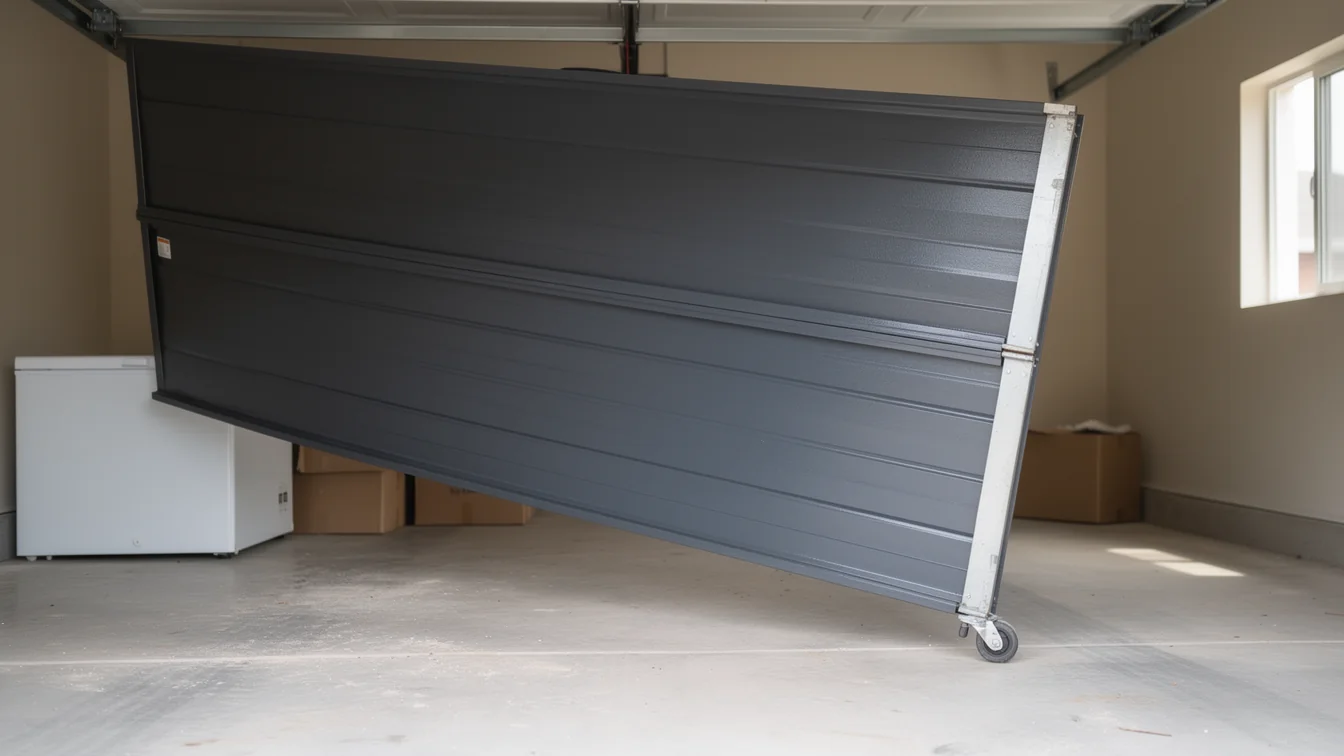
Most houses in this part of Grapevine went up somewhere between 1959 and 2014, with the bulk of that stock dating to the 1980s and 90s. That matters because a door and opener installed when the house was built is now thirty to forty years old, and parts don't last forever even with maintenance. A grinding sound when the door starts moving, a bang partway through the cycle, or a door that drifts crooked on one side are noises that mean something - they're usually the first sign of a worn roller, a fraying cable, or a spring losing tension before it snaps outright. Call when the door hesitates, reverses for no reason, or makes a sound it didn't make six months ago. Don't wait for it to stop working completely, because a spring that lets go under load can take a cable or a panel with it. If your opener still has the original logic board from a 1980s or 90s install, intermittent failures are often the board, not the motor, and that's a different repair than people expect.
The area
What Most People Get Wrong
Grapevine sits in a moderate heat climate band, not an extreme one, and that leads people to assume their garage door hardware doesn't need attention the way it might somewhere with harsher summers. That's backwards. Moderate, repeated heat cycling still dries out lubricant on tracks and hinges and still causes metal fasteners to work loose over years, it just does it more slowly and less dramatically, so homeowners don't notice until a cable is already fraying or a hinge is already cracked. The other mistake is treating a noisy door as a noise problem instead of a wear problem. Spraying WD-40 on a squealing roller quiets it down for a week and masks a roller that's actually failing. On a house with original 1980s or 90s hardware, a persistent noise is rarely cosmetic. We'd rather look at it once than have you spend three years quieting it down before it fails on its own schedule instead of yours.
What we find
How Local Conditions Play In
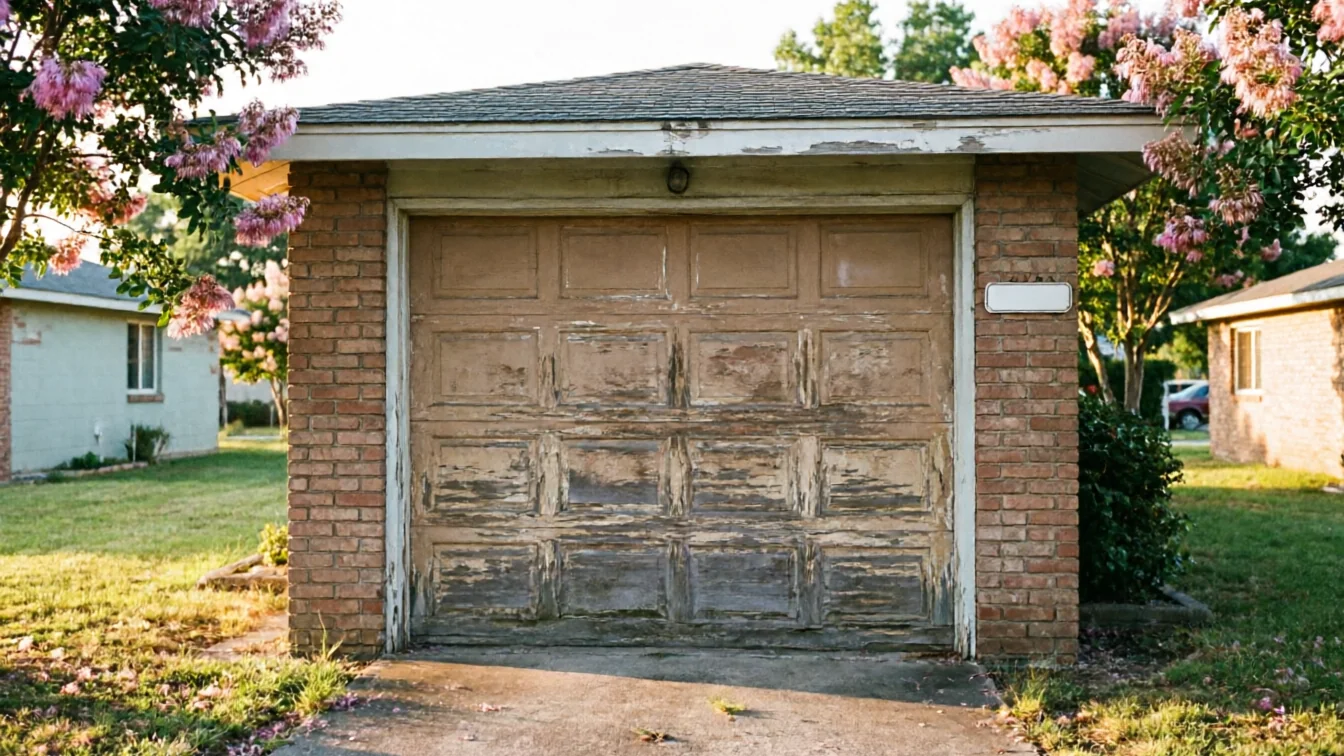
Grapevine's housing stock spans 1959 to 2014 with a median build year around 1999, and that spread shows up directly in the kind of garage door jobs we see - some houses still run original torsion springs and steel panel doors from the 80s, others have openers that are only ten or fifteen years old with Wi-Fi modules bolted onto a mechanically older door. The median household income across this service area runs around $145,297, and across the roughly 114,435 households and 67,437 owner-occupied houses we draw from, most people want a door that works reliably more than they want the newest model on the market. Grapevine sits within a tight cluster of similarly built suburbs - Trophy Club and Westlake 7 to 8 miles off, Keller and Double Oak around 9, Roanoke at 10 - and the housing eras across that stretch of the metroplex track closely with Grapevine's own, which is part of why the same failure patterns (original springs, aging logic boards, worn rollers) show up house after house in this part of the moderate-heat band.
How we work
The Situation
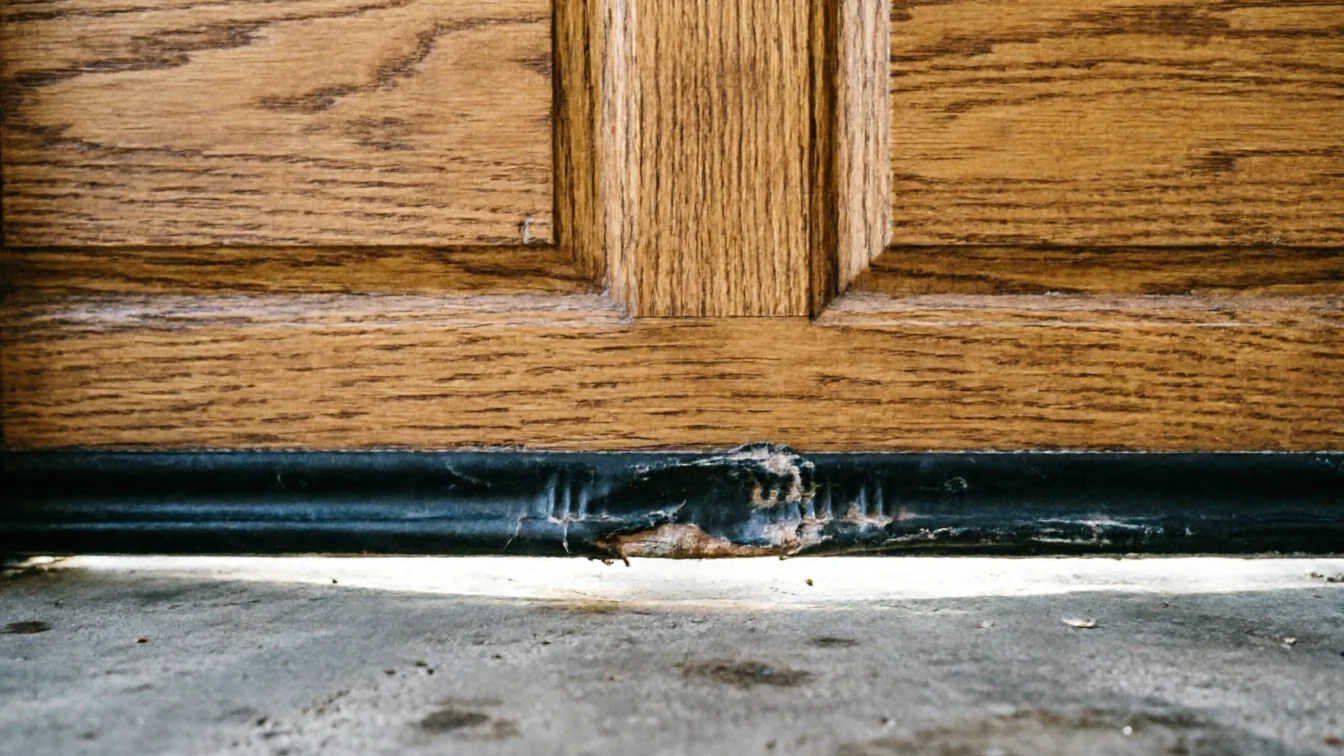
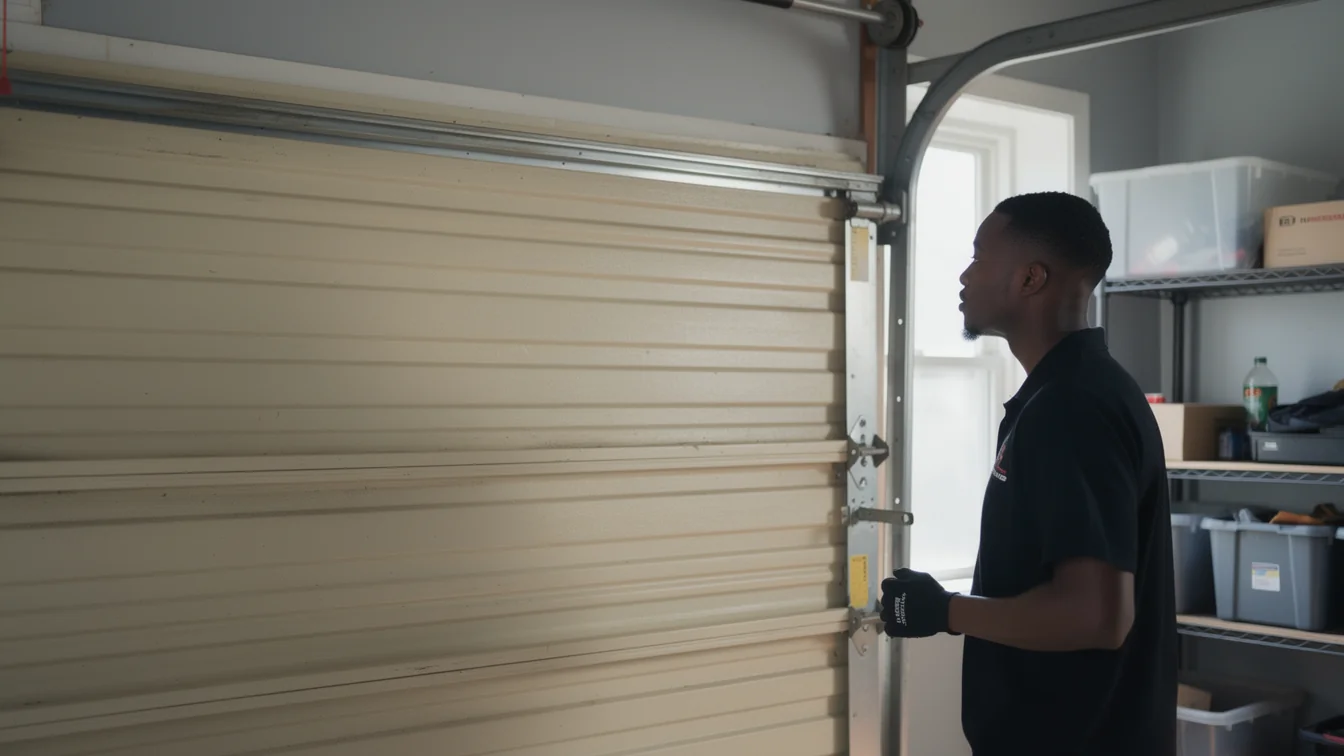
Put plainly: a lot of Grapevine garage doors are at or past the point where original hardware is the weak link, not the door panel itself. Springs, cables, rollers, and opener logic boards from a 1980s or 90s install are well into the range where failure is a matter of when, not if. That doesn't mean every noisy door needs a full replacement - plenty of jobs are a spring swap or a roller set and the door is good for another decade. But we'll tell you honestly when a repair isn't worth it, and sometimes it isn't: if the door itself is original steel from the 80s and the track is bent along with everything else, patching one part while the rest fails around it a year later doesn't save anyone money. One limitation worth saying up front - some older or less common hardware takes longer to source than a same-day fix, and we'd rather tell you that than promise a timeline we can't hit.
Talk to a local pro
Garage door trouble in Grapevine?
Same-day service with honest, upfront quotes.