Parts We Carry
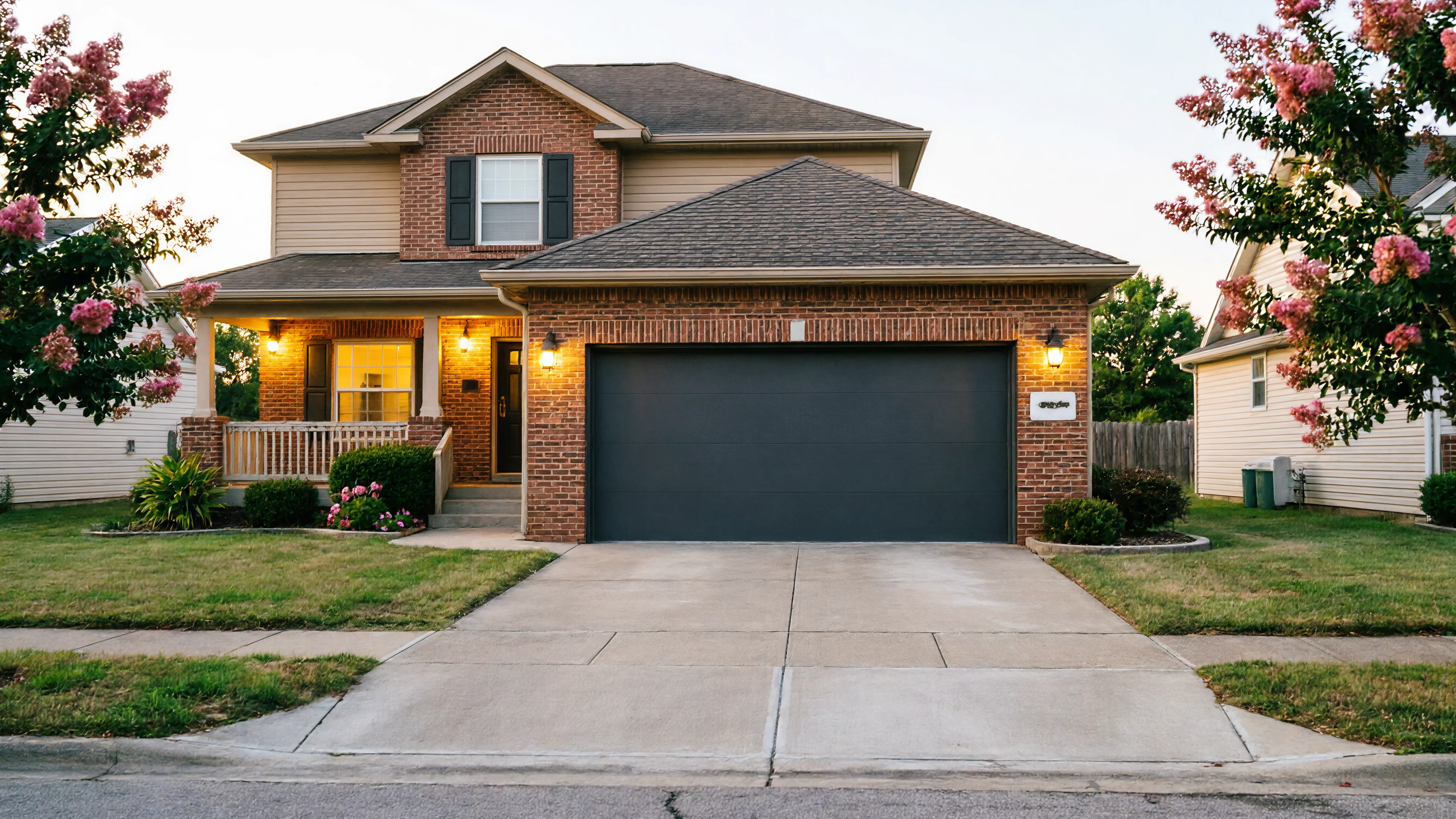
Trophy Club's housing stock centers on a median build year of 2000, which means the doors on most garages here are 16-gauge or 24-gauge steel sectional units, not the older one-piece slab doors you still find on the 1980s stock common elsewhere in the service area.
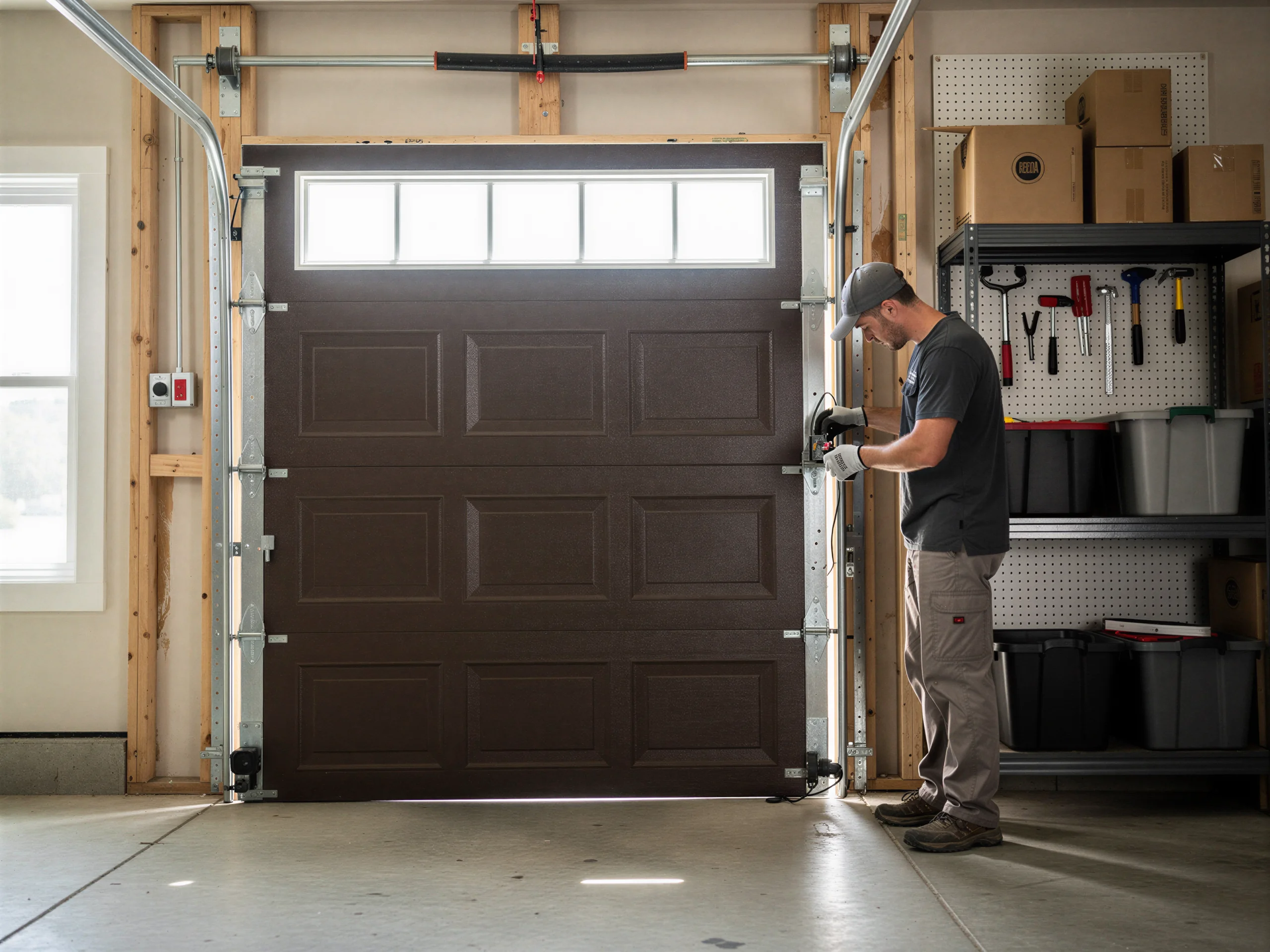
Standard width torsion stock
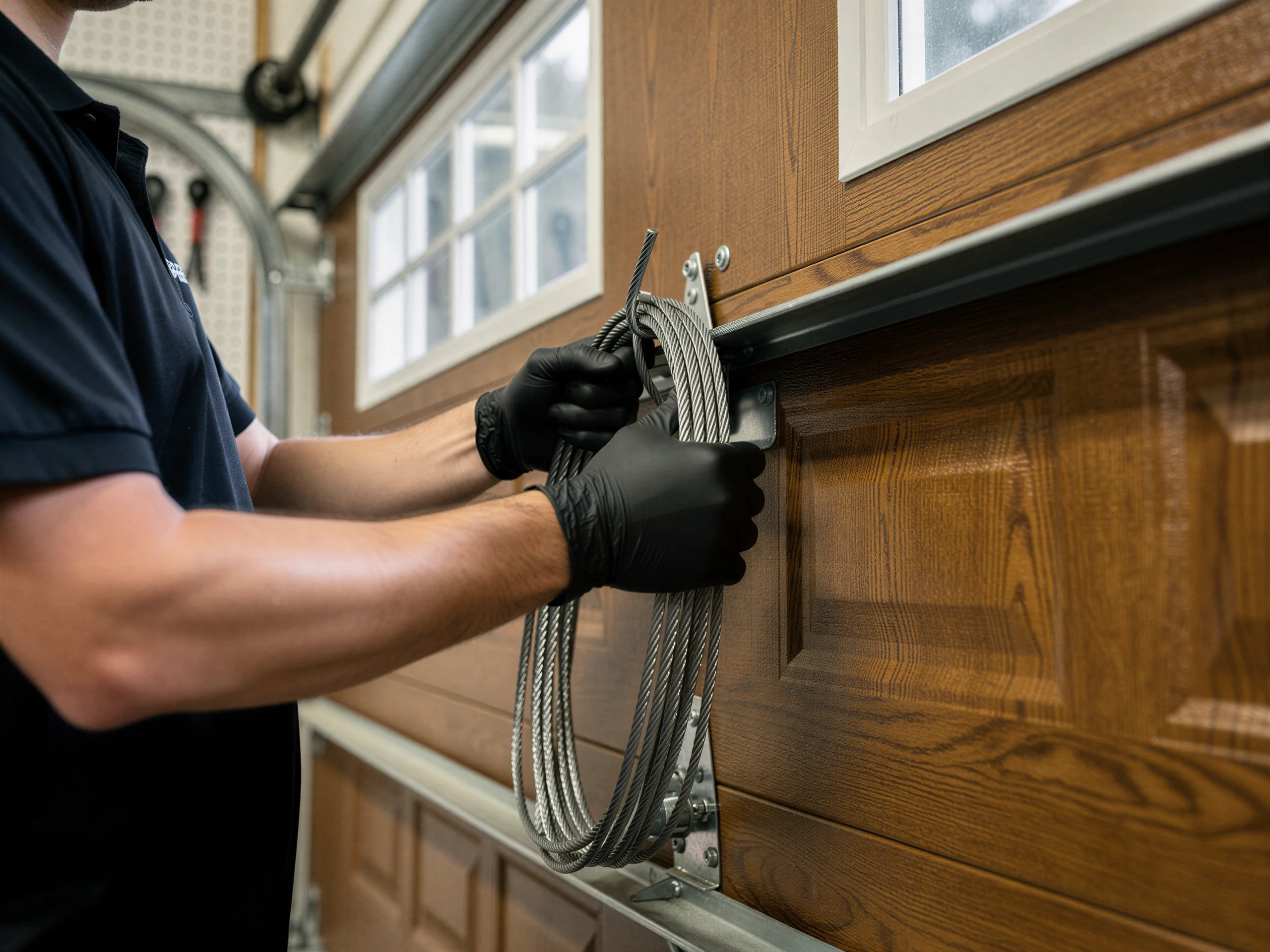
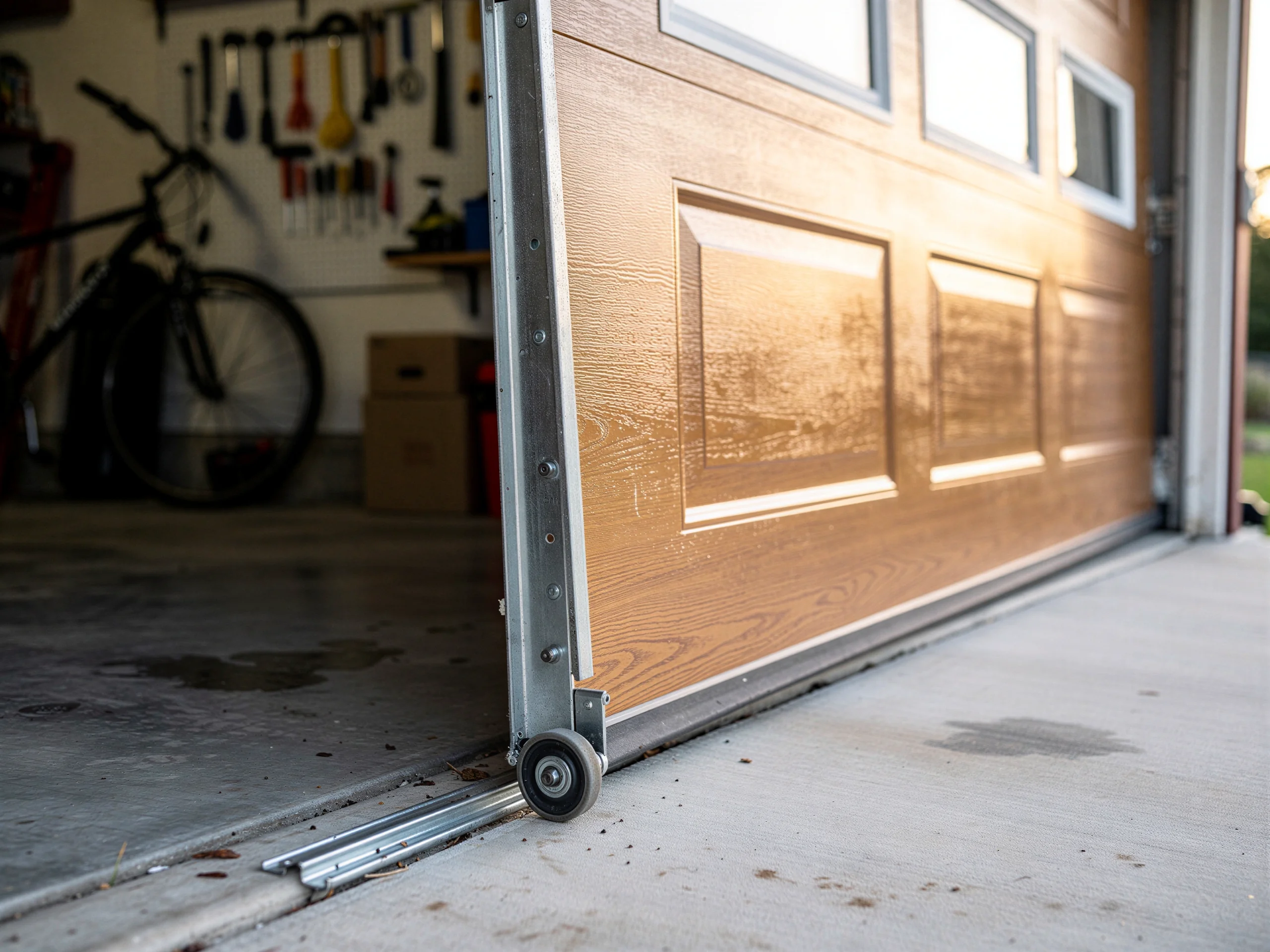
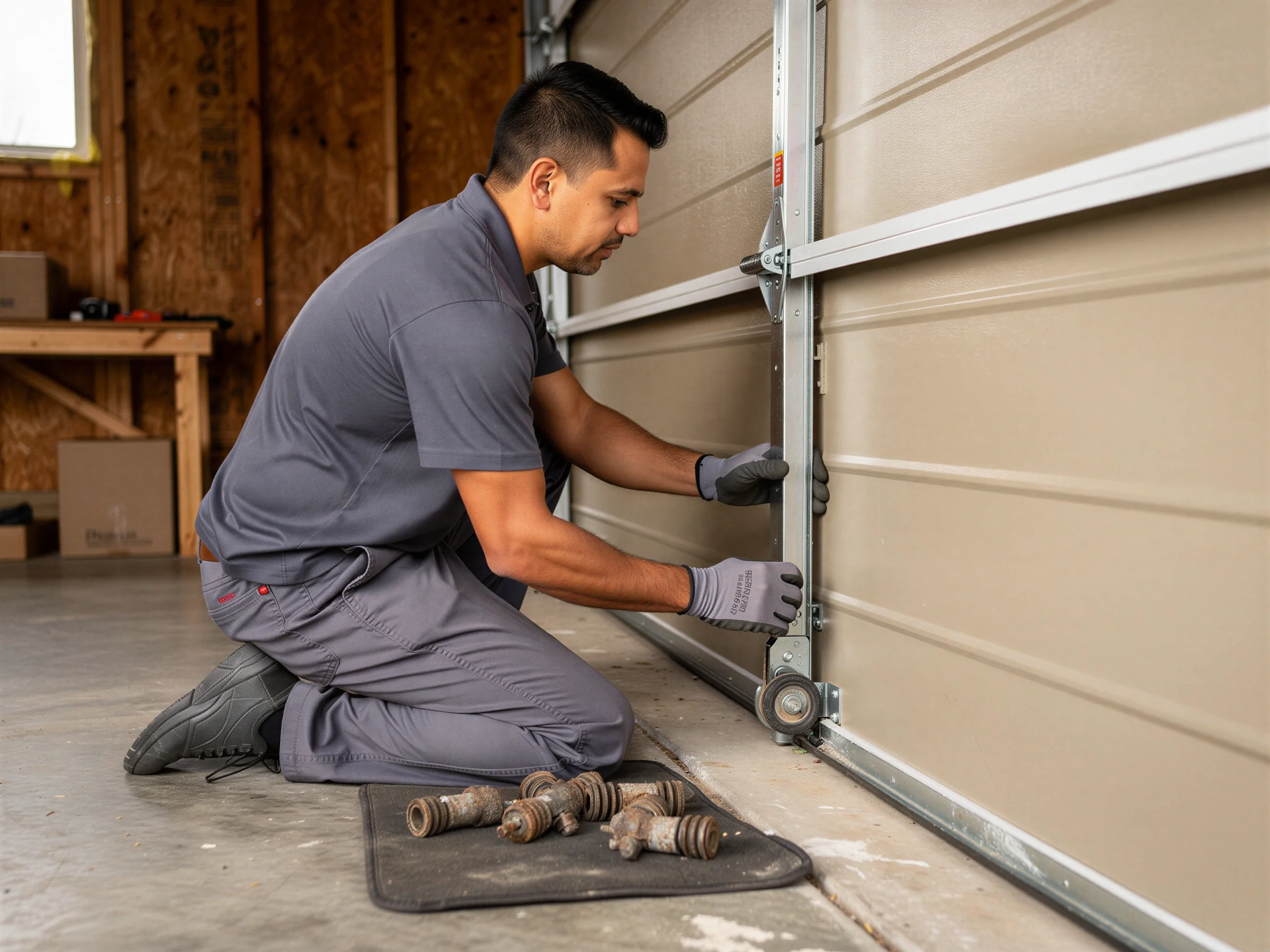
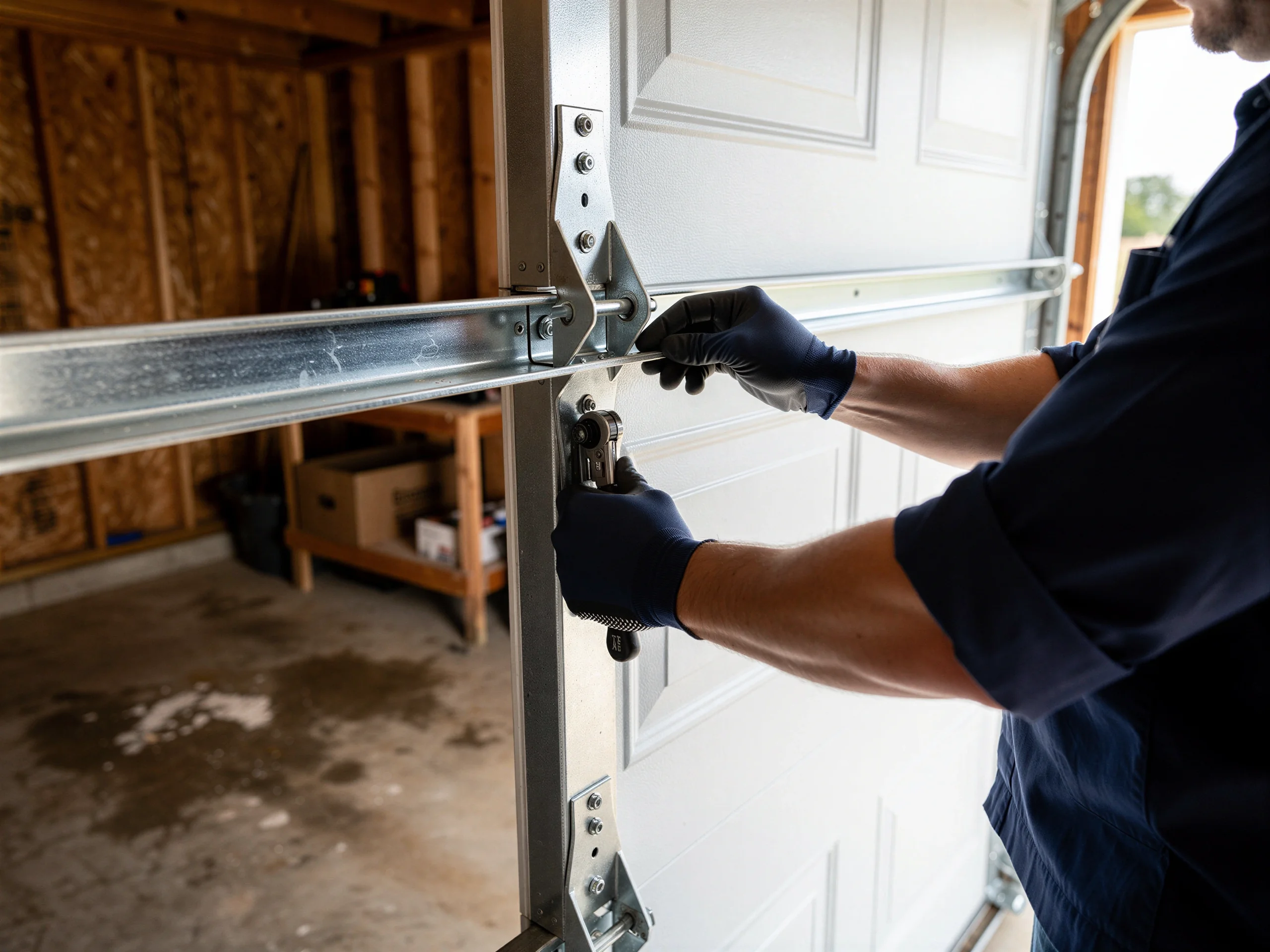
Standard widths run single 8-9 ft and double 16 ft, hung on torsion springs rated for a set cycle count rather than the extension-spring setups found on older builds. We carry torsion springs in the common Trophy Club sizes, nylon and steel rollers, galvanized lift cables, and the hinges and center bearing plates that wear out on a 20-plus-year-old door.
Drive gears and belts
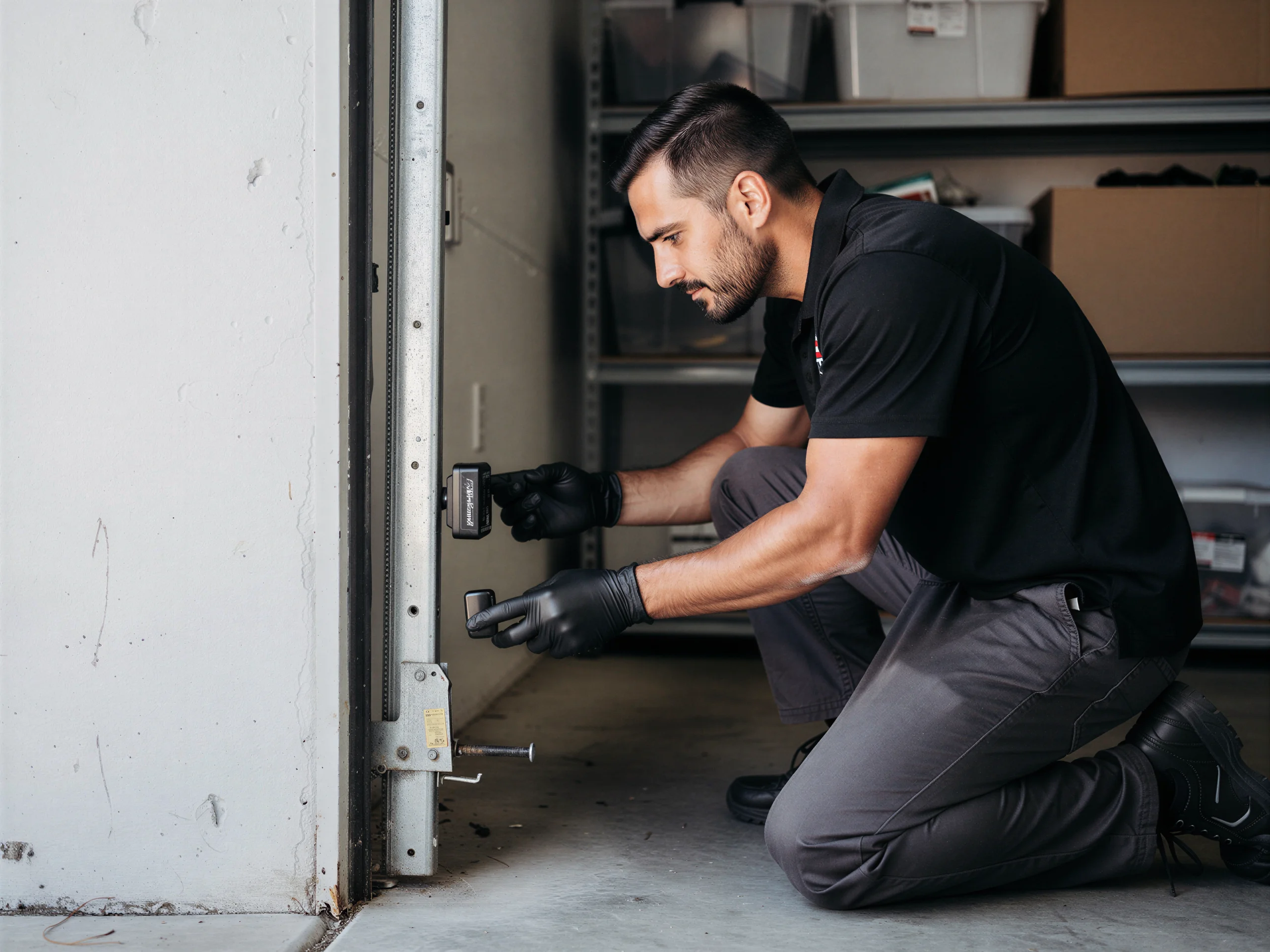
Openers from that era are mostly chain-drive units nearing the end of their service life, so we stock drive gears and belts sized to replace them without swapping the whole unit if the motor still has life left.
Custom panel lead time
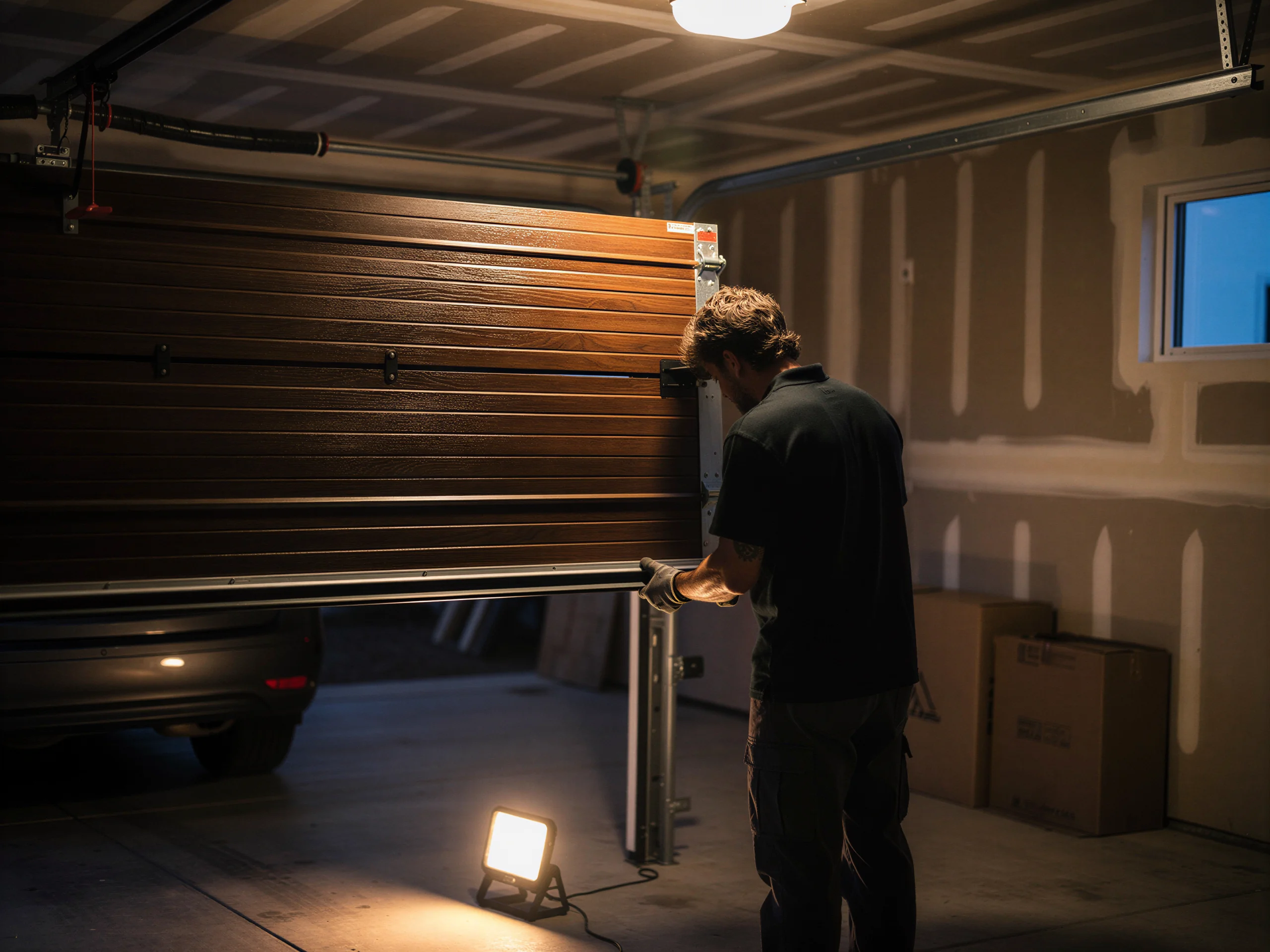
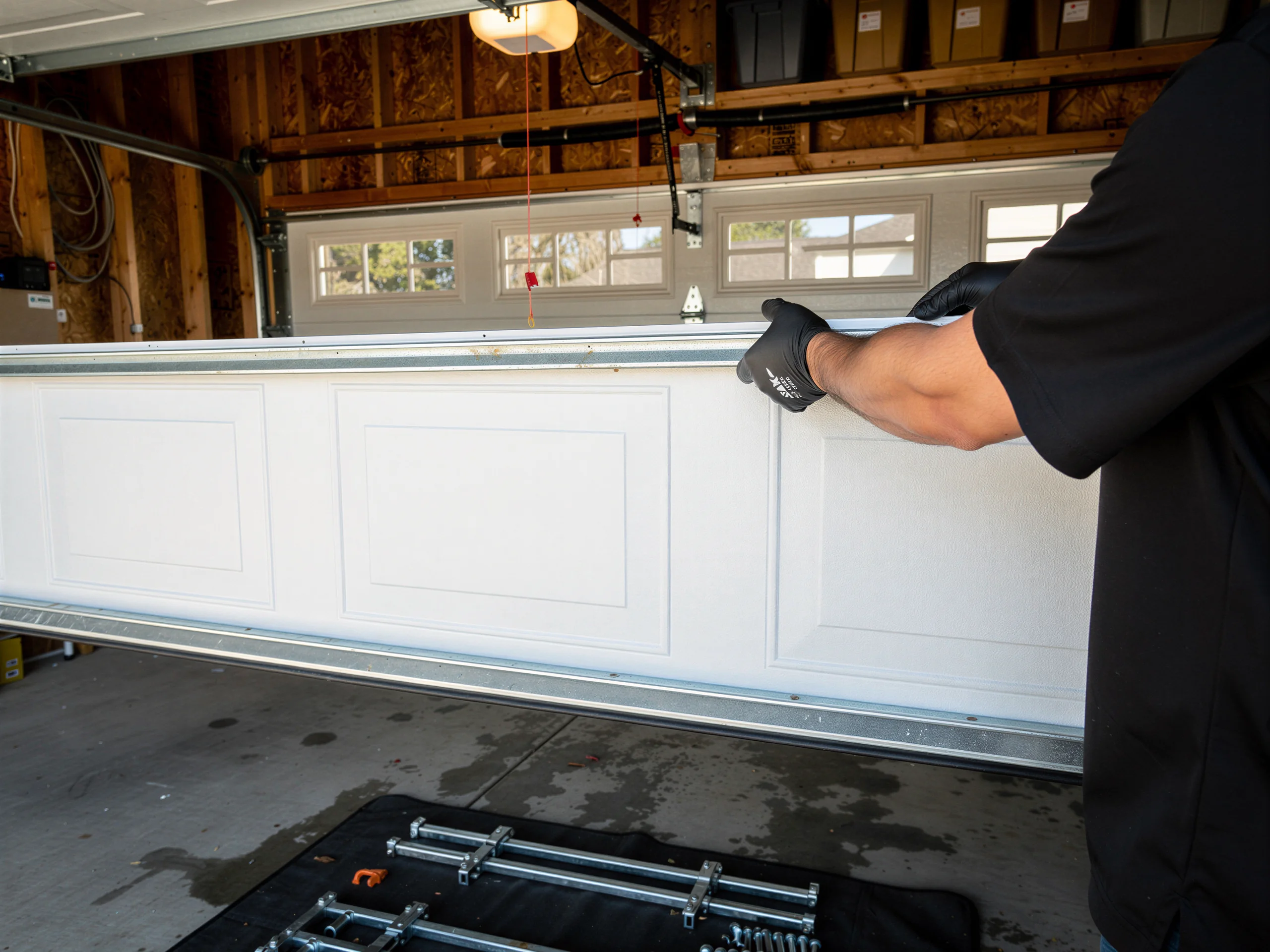
What we don't carry on the truck is custom-width panel sections for oversized or architectural doors - those get ordered once we've confirmed the exact model, which can add a few days to a job on a larger custom home.
Why This Fails Locally
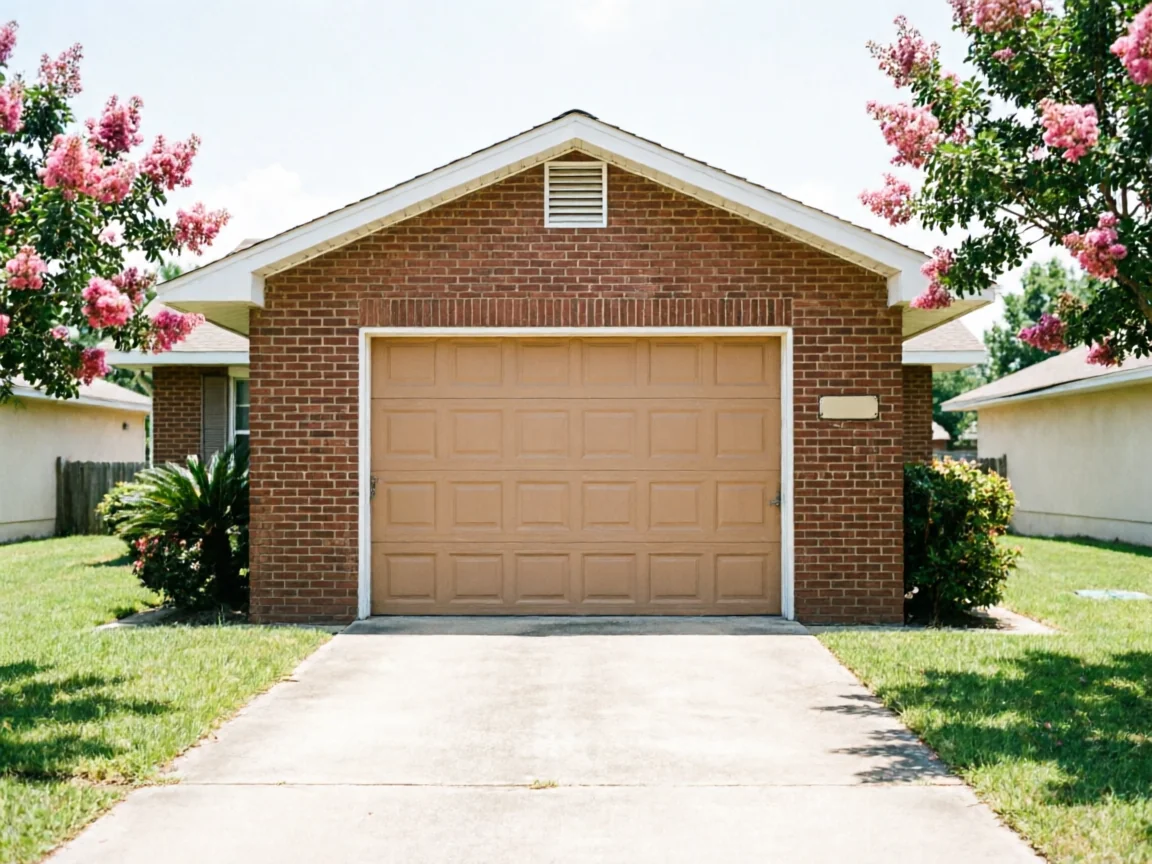
A torsion spring is built for a cycle count, not a calendar date, but in a neighborhood where most garages went up around 2000, the math works out the same for a lot of houses at once. Two openings a day for twenty-four years puts a spring well past the 10,000-cycle rating manufacturers build to, and Trophy Club is hitting that wall now in a way that a neighborhood built in the 1980s already worked through years ago. Because the area was largely built out in one stretch rather than added to piecemeal, you get clusters of near-identical failures - same spring size, same opener era, same bearing wear - showing up within a season of each other. The household income here, at $193,026, runs well above the $145,297 median across the wider service area, and it tracks with larger lots and a higher share of oversized double doors, which load springs harder per cycle than a standard single door does. That combination - newer-but-aging hardware carrying a heavier daily load - is specific to how this pocket of the area was built, not a general garage door problem.
The Complications
A double door on a larger Trophy Club garage puts more steel and more insulation on the same spring system sized for a standard door, which shortens the useful life of that spring even on a well-maintained unit.
Upgraded opener, old spring
We also see openers that were upgraded once already - a 2000-era chain drive swapped for a newer belt unit - paired with the original spring and cable underneath. That mismatch matters when diagnosing a slow or uneven door: the newer opener can mask a worn spring for a while by compensating with more motor effort, until it can't.
Dry lubricant in heat
Moderate heat exposure in this part of Texas isn't the extreme stress you'd see somewhere with real winter freeze-thaw cycles, but it does dry out lubricant on rollers and hinges faster than a shaded, cooler climate would, which adds friction load on top of spring wear.
Spring near end life
None of this is dramatic, but it compounds. A door that's a little heavy to lift by hand today is often a door with a spring at 90% of its rated life, not 50%.
The Symptom
The door hesitates partway up, or it closes faster than it opened, or you hear a single loud bang from the garage and the door won't move at all afterward - that's a torsion spring letting go, and on a Trophy Club house built near 2000, that's often age catching up with the original hardware rather than a defect.
Reverses at floor
A door that reverses right after touching the floor usually points to the opener's force settings fighting a spring that's lost tension, not a sensor problem. If you're hearing grinding or popping from the rollers on the way up, that's usually the dried-out lubrication mentioned above rather than anything structural.
Same-visit spring swaps
We travel the 7 miles out from our Grapevine shop for these calls, and on a straightforward spring replacement on a standard door we're typically in and out the same visit; it's the oversized or custom-panel doors, where a part has to be ordered, that take longer.
Replacement beats repeat repair
If a door is original to a 2000-built house and the opener, springs, and rollers are all original too, replacement often costs less over time than repeated one-part repairs - that's worth a straight conversation before we start swapping parts one at a time.
Talk to a local pro
Garage door service in Grapevine?
Same-day service with honest, upfront quotes.