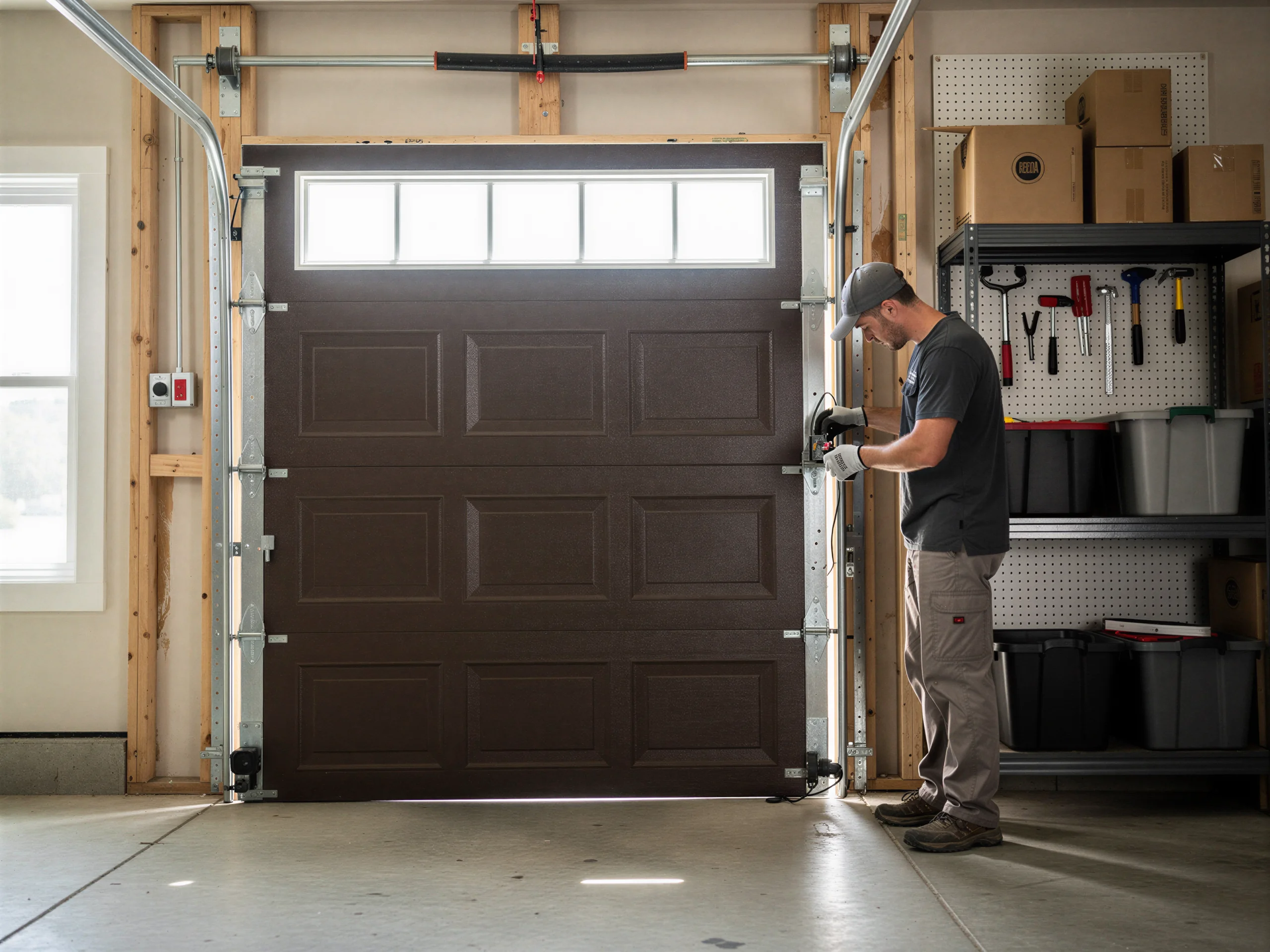
Parts We Carry
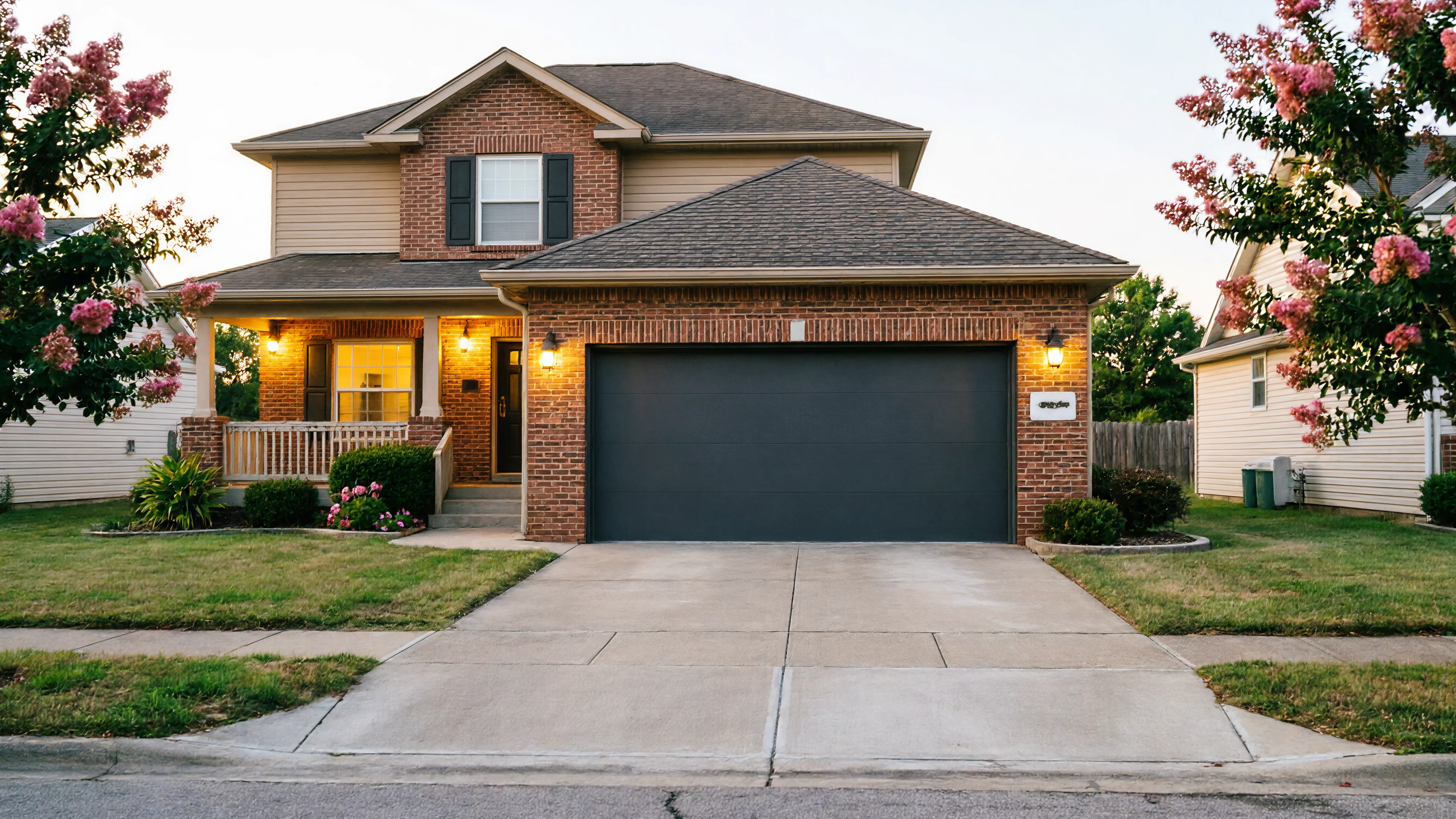
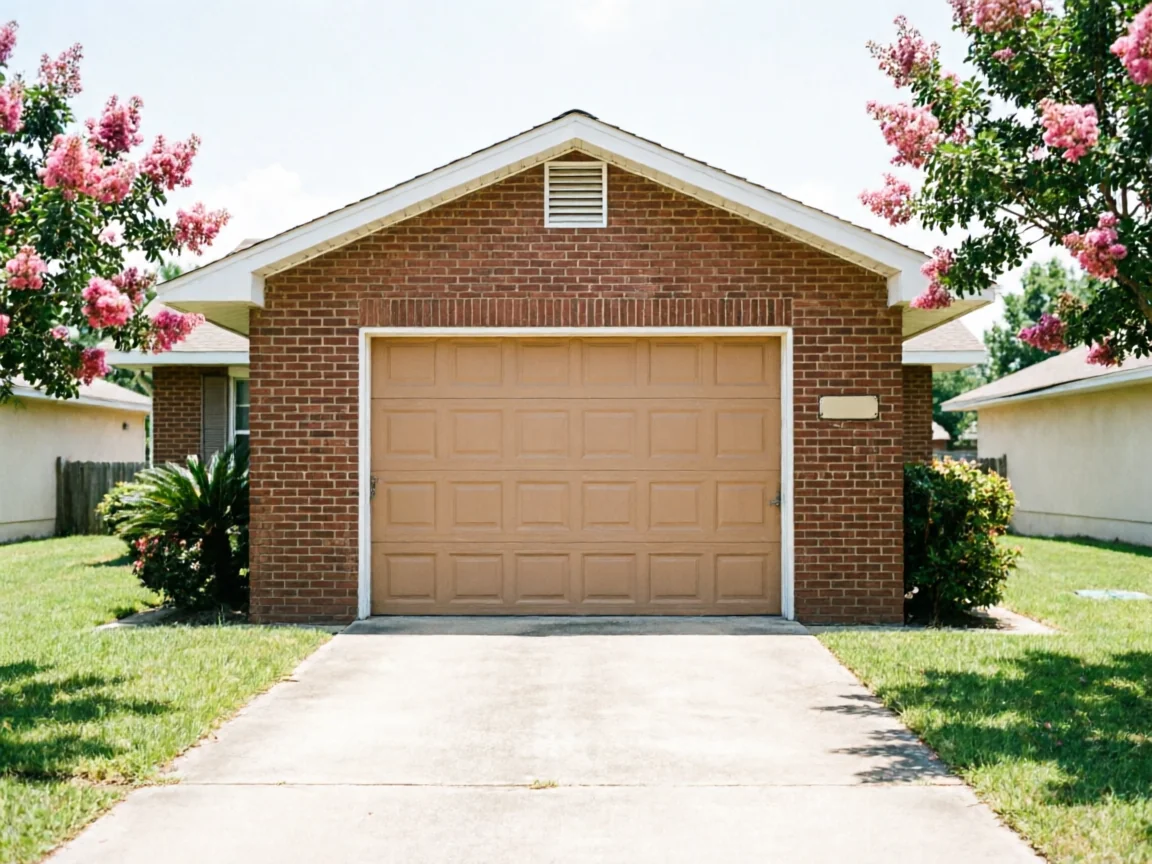
Most houses in Trophy Club went up close to the year 2000, which puts them near the newer end of the 1959 to 2014 build range across this service area.
Original open-bearing rollers
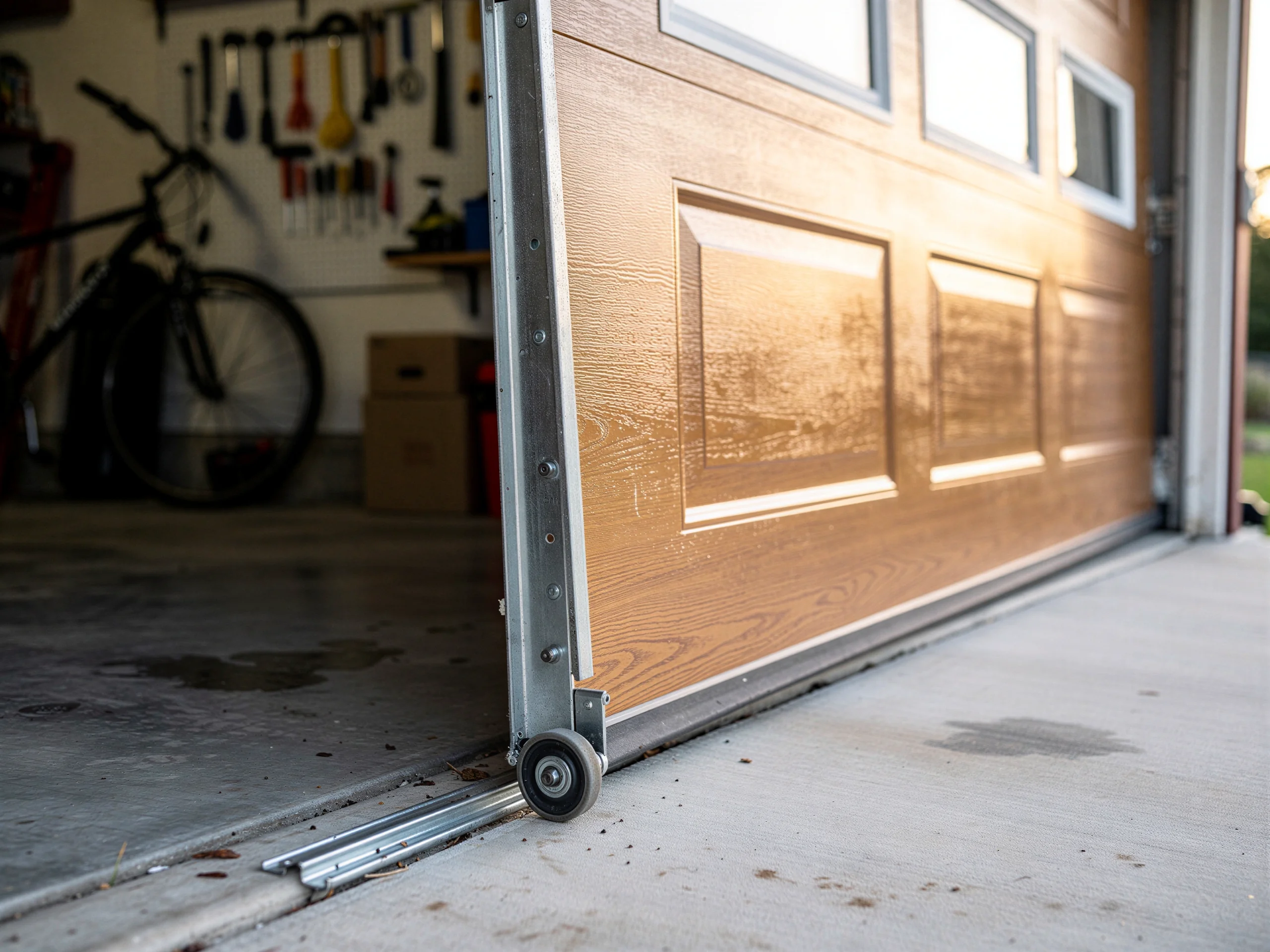
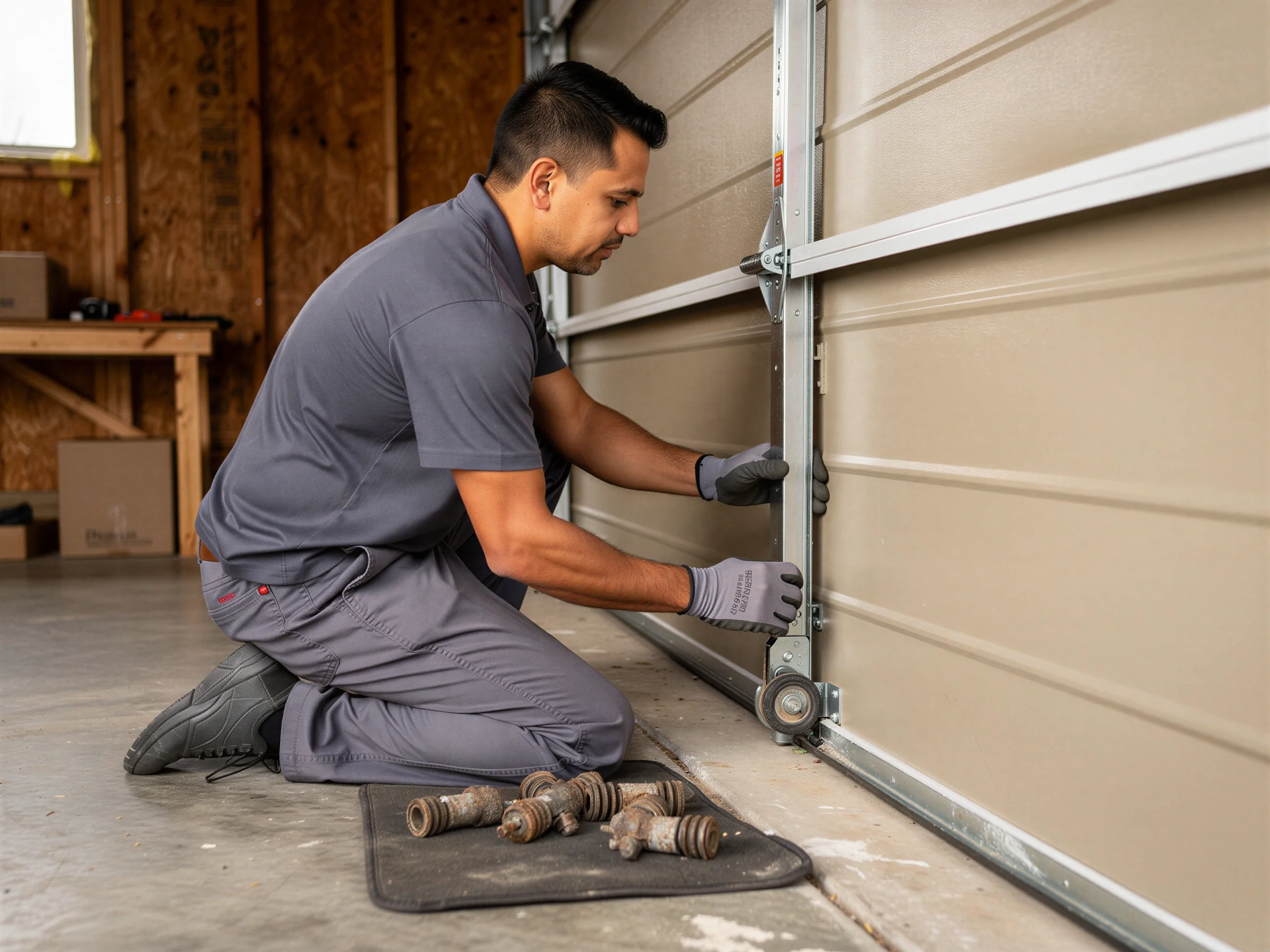
That matters for rollers specifically: a door installed in 1999 or 2000 almost never had its rollers touched again unless something broke. The original hardware on these doors is usually the builder-grade steel roller with an open bearing and no stem seal - cheap to install, loud and gritty after two decades of summer heat cycling the steel.
Sealed nylon in two stems
We carry nylon rollers with sealed ball bearings as the standard swap, in both 7-inch and 10-inch stem lengths to match the track spacing on doors from this era. For owners who want quieter operation and don't mind paying more, we also stock all-steel sealed-bearing rollers that hold up better under heavier doors.
No plastic rollers
We do not stock the plastic rollers some big-box kits use - they wear fast in this climate and we won't put a short-life part on a door we're standing behind. If a track is bent enough that rollers alone won't fix the binding, that's a different job and we'll tell you before we start.
Why This Fails Locally
The HEAT-moderate climate band this area sits in means steel rollers go through years of expansion and contraction without a hard freeze to slow the wear down. There's no off-season here the way there is farther north - the bearings just keep working, season after season, and the grease inside them dries out faster than most owners expect.
Trophy Club's median household income of $193,026 is well above the $145,297 median across the wider service area, and that shows up in the kind of doors we see here: heavier insulated panels, often with decorative hardware, carrying more load on the same roller size the builder installed in 2000. A heavier door on an original roller wears the bearing track inside the roller unevenly, which is why the grinding noise on these jobs tends to show up on one side of the door before the other.
The Complications
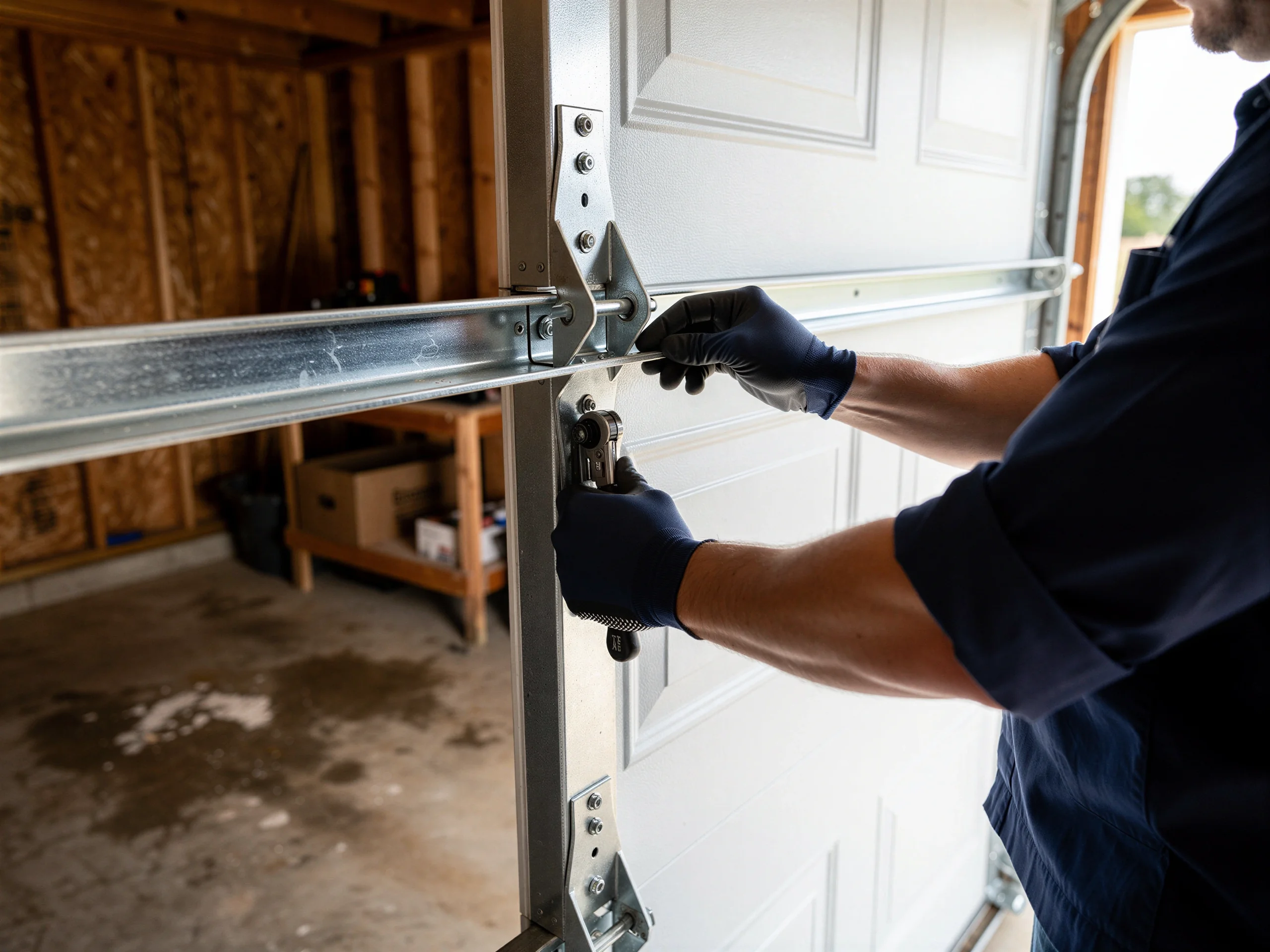
On a house built right around 2000, the roller isn't usually the only thing original. The track brackets holding those rollers in place are the same age, and 24 years of a roller riding slightly off-center will wear a groove into the track itself.
Worn track ruins new roller
Swap the roller and leave a worn track, and the new roller grinds just as loud as the old one inside a month. We check track wear before we quote a roller-only job.
Grooved track adds cost
If the track's still true, it's a straightforward swap - ten rollers, maybe the bottom brackets if they're bent. If the track's grooved, that's a track replacement alongside the rollers, and the price moves accordingly. We'll show you the wear on the track in question before we charge for it, not after.
Unusual stem orders
One limitation worth saying plainly: we don't carry every roller size for doors outside the common residential range. If a door has an unusual stem length or an odd bearing bore, we may need to order the part, and that's a lead-time conversation up front, not a surprise later.
The Symptom
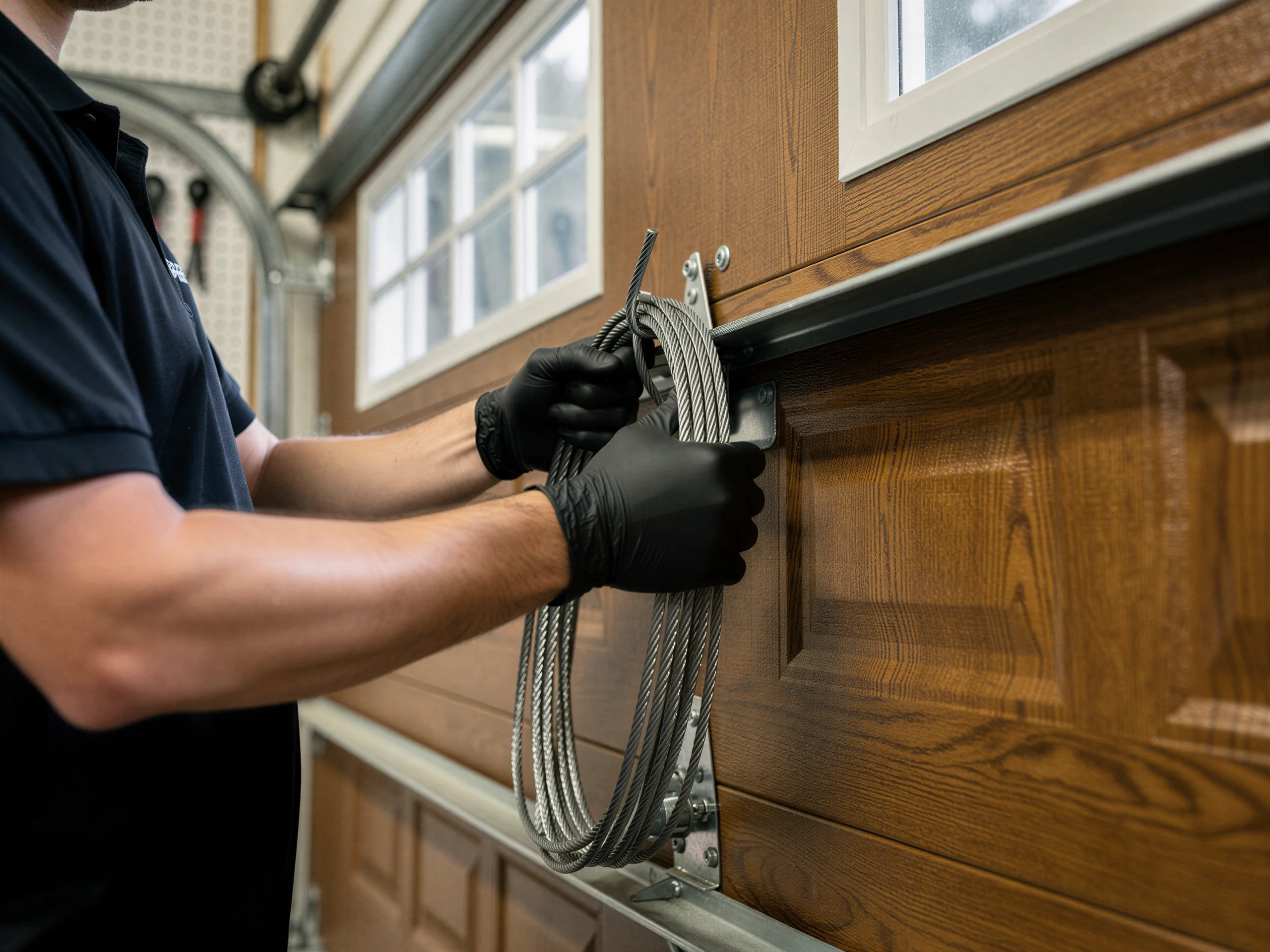
The giveaway on a 2000-era door is a rhythmic grinding or squealing that gets louder as the door moves, worse on cold mornings before the grease warms up, and often concentrated on one side. If you've lived with it a season or two already, you're not alone - on a door this age, worn rollers are closer to routine maintenance than an emergency repair. The real risk is waiting until a roller seizes mid-track, which puts load on the opener motor and the cable it doesn't carry well.
If your door's grinding and you're about 7 miles out from our shop in Grapevine, we can look at it, check the track along with the rollers, and quote the job on the spot rather than guessing over the phone.
Talk to a local pro
Garage door service in Grapevine?
Same-day service with honest, upfront quotes.