How to Book
Call rather than fill out a web form when the door is stuck shut, won't close, or a spring has let go with that loud bang homeowners describe as a gunshot.
Dispatcher triage on call
A form sits in a queue; a call gets triaged on the spot. Tell the dispatcher what you see and hear: is the door off its track, does the opener run but the door not move, is a cable hanging loose, is one side of the door lower than the other.
Open door as security risk
That one detail changes what gets loaded on the truck before anyone leaves the shop. If the door is open and you can't get it shut, that's a security problem as much as a mechanical one, and it gets treated as a different priority than a door that's stuck closed with the car trapped inside.
Pricing follows the job
Say which one it is up front. We work across the broader Dallas-Fort Worth area this business serves, from households in the low six figures of income down to older starter homes, and pricing reflects the job in front of us, not a flat rate quoted sight unseen.
No published response times
We don't publish emergency response times here because they vary by how far out the call is and what's already on the schedule that day - ask when you call and we'll give you a straight answer, not a guess.
The Symptom
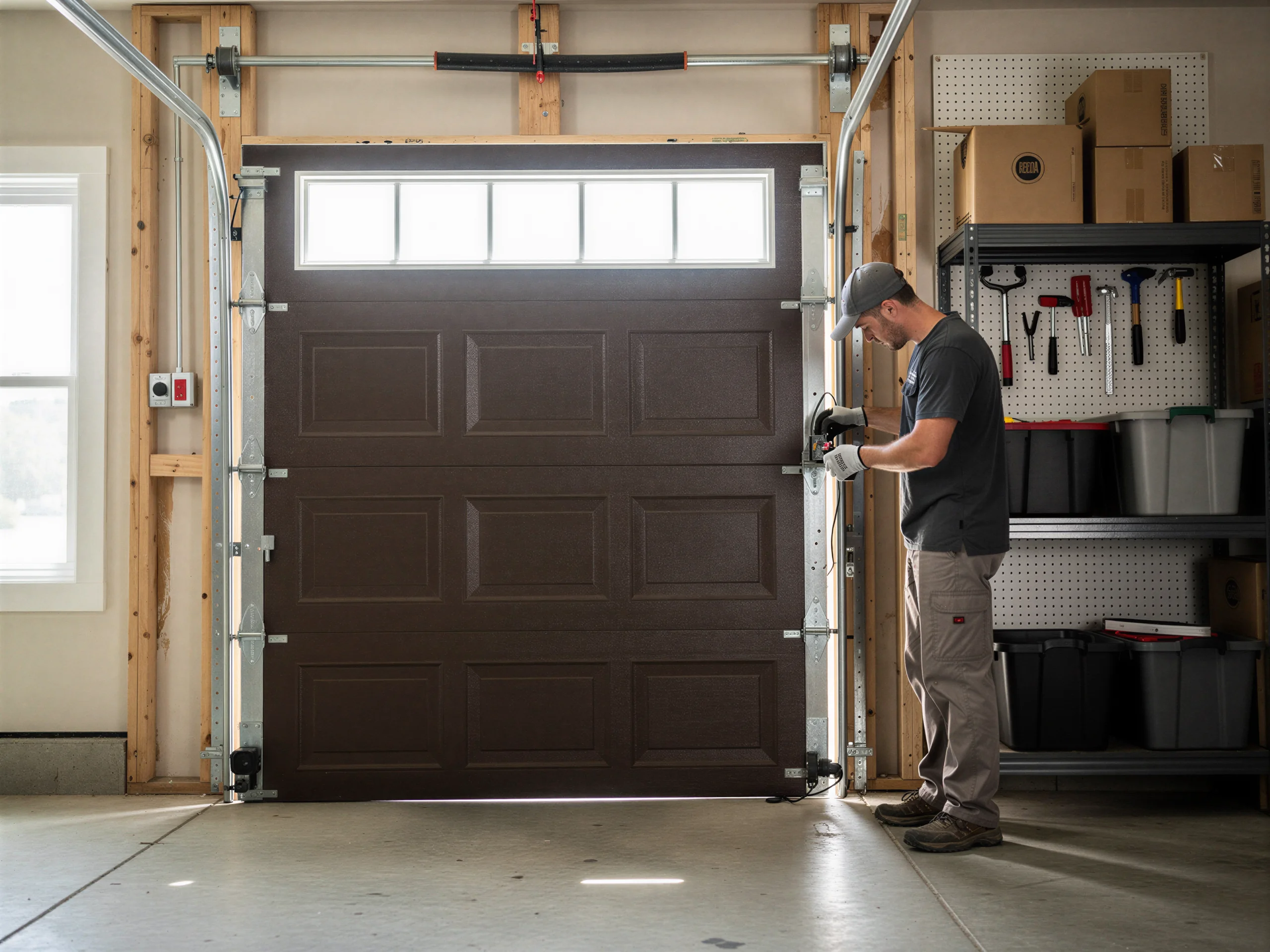
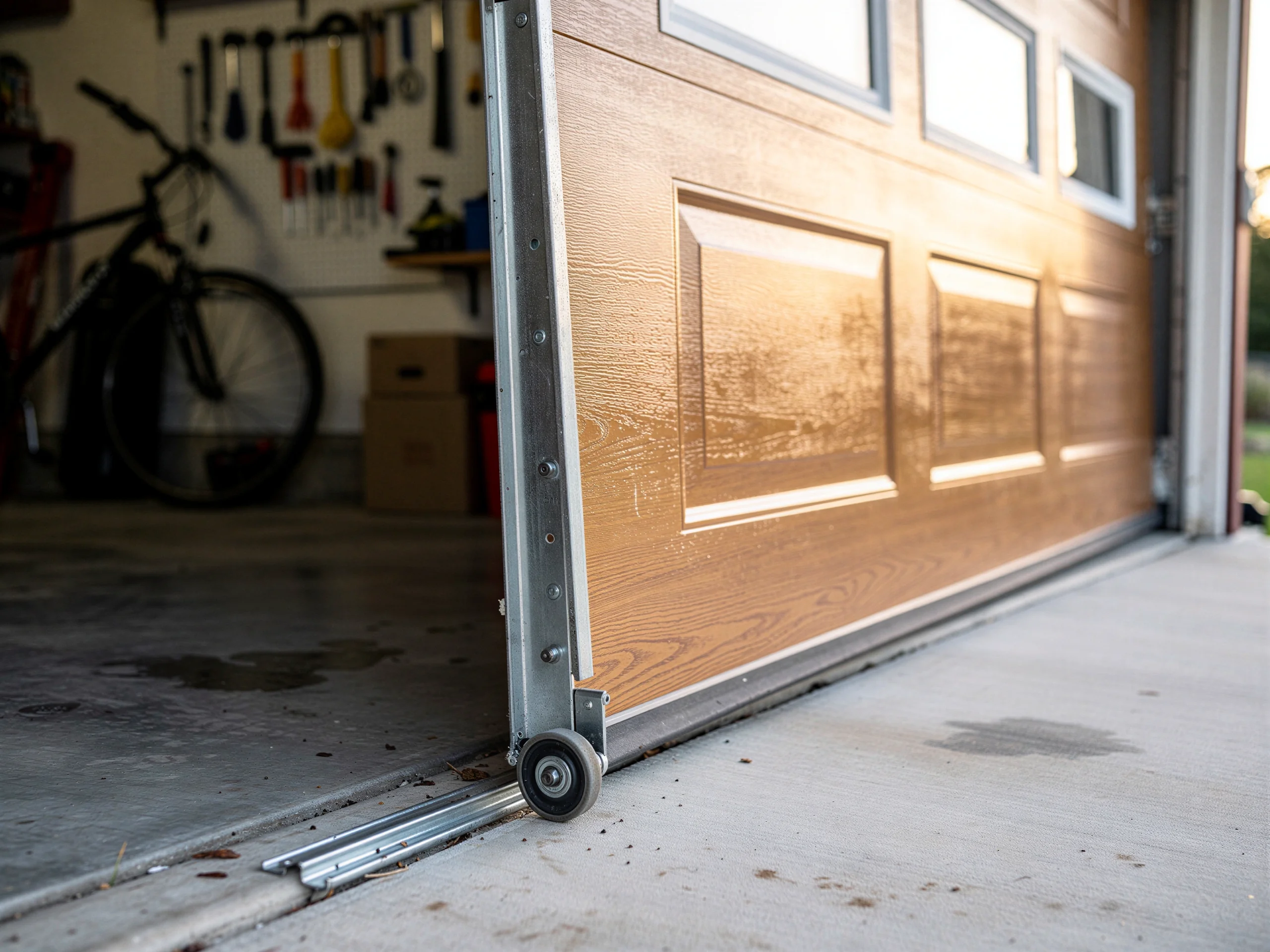
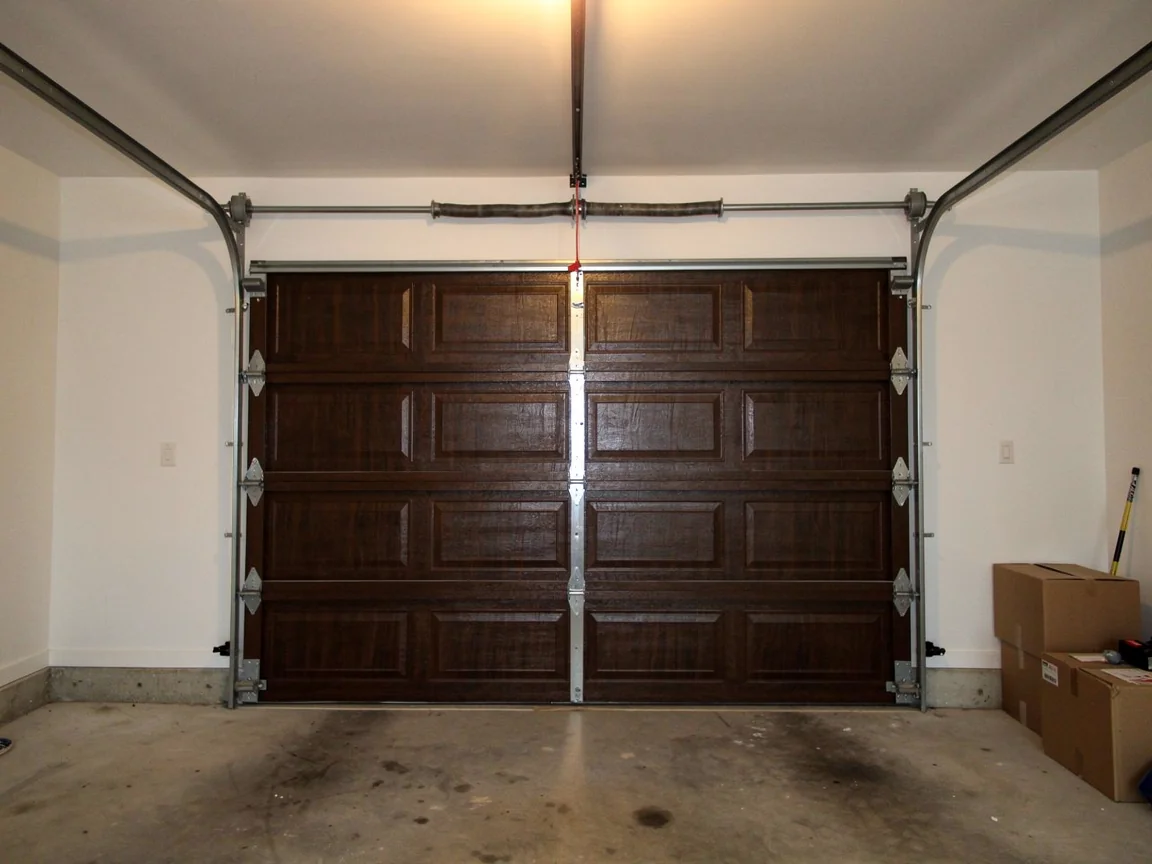
Most emergency calls fall into a short list: a torsion spring that's split in two and left the door dead weight, a cable that's jumped the drum and let one side of the door drop, an opener that hums but won't lift because the spring is doing none of the work it should, or a door that's come off the track entirely after a roller failed.
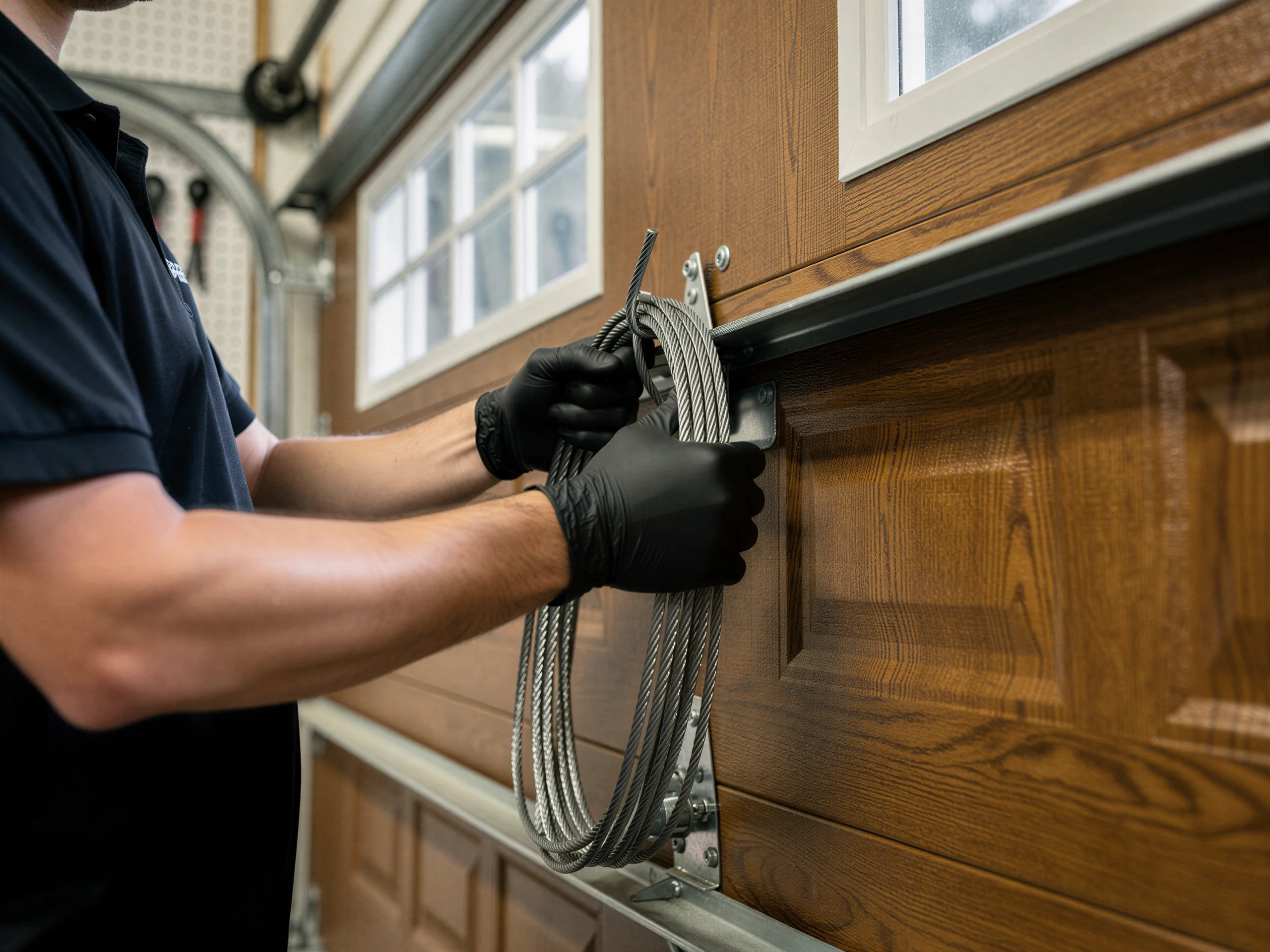
The giveaway for a spring failure is usually sound, not sight - a sharp crack, sometimes loud enough neighbors ask about it, followed by a door that won't budge or that the opener can lift partway and then stall. A cable failure looks different: the door hangs crooked, one corner lower than the other, and forcing it can bend the track.
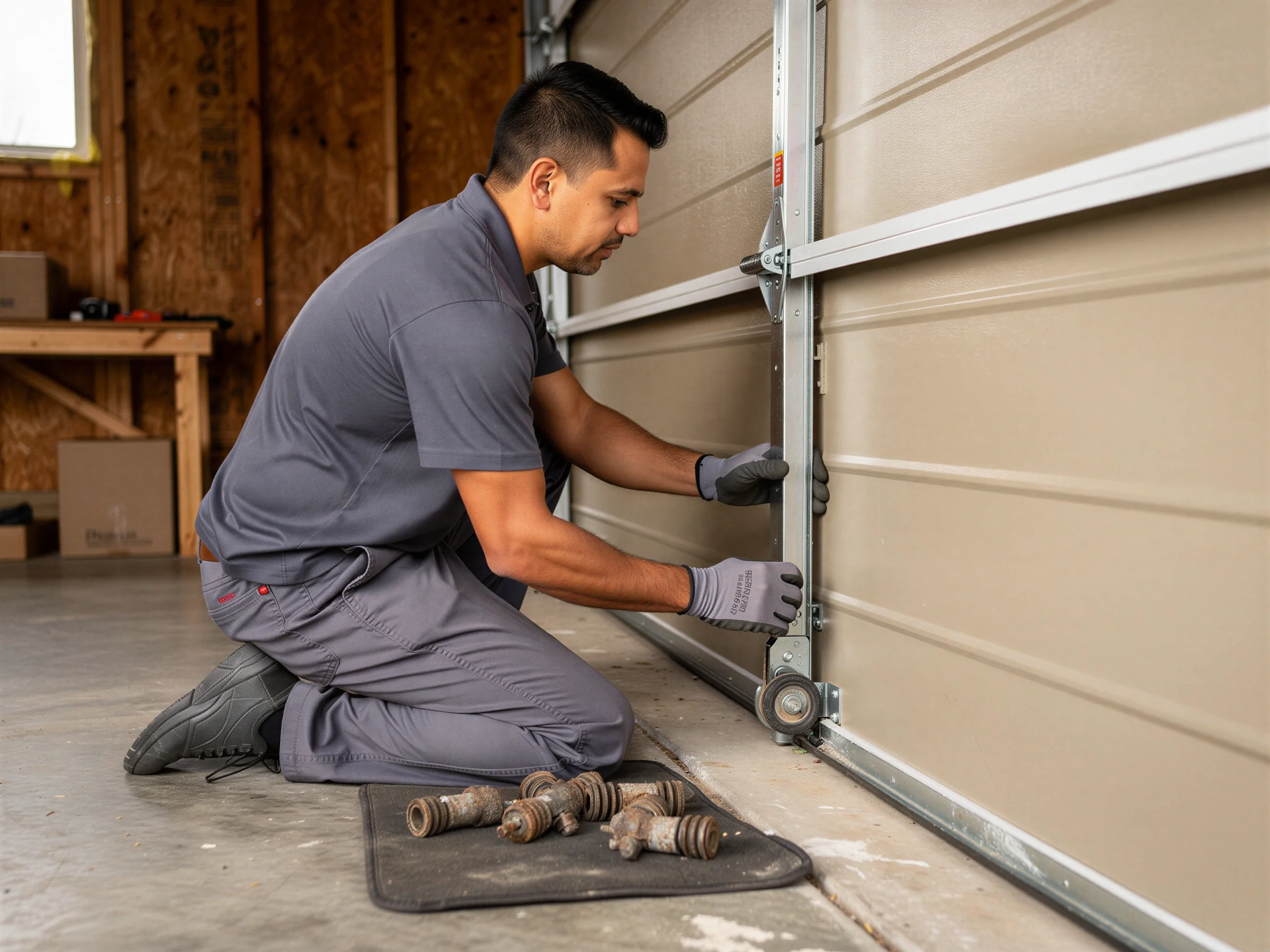
Age matters here. A lot of the housing stock in this service area went up between 1959 and 2014, with the bulk of it dating to the 1980s and 90s, which means a large share of torsion springs are well past the cycle count they were rated for and were never swapped out on a schedule - most owners only replace a spring after it breaks, not before.
Doing It Yourself
There's a narrow list of things worth trying before you call. If the door won't respond to the opener, check that it's actually plugged in and that the wall switch wasn't bumped to lock mode - it happens more than people admit.
Never force a stuck door
If the door is partway open and stuck, do not force it by hand or with a car bumper; a loaded torsion spring under tension can whip a wrench or a hand hard enough to break fingers.
Spring work stays professional
What you should not attempt: touching the torsion spring itself, the winding cones, or the cables under tension. This is the one honest limit worth saying plainly - torsion spring work is not a homeowner repair, full stop, regardless of how many videos make it look simple.
Stored spring force danger
The spring holds enough stored force to crack a skull or a kneecap, and the tools to do it safely aren't things most garages have lying around. If the door is off the track but the opener still has power, kill the power at the opener first. That's the one step that actually reduces risk while you wait for someone to get there.
Why This Fails Locally
This area's heat band runs moderate rather than extreme, which sounds like a small mercy, but it still means long stretches of summer where garage temperatures swing well above what the house itself ever sees, and that heat cycling is hard on spring steel and on the lubricant inside a torsion spring's coil. Springs don't fail because of one hot day - they fail from years of expansion and contraction fatiguing metal that was already near the end of its rated cycle count.
Across the roughly 114,000 households and 67,000 owner-occupied houses in this service area, a lot of garage door hardware was installed once, during original construction sometime between 1959 and 2014, and never touched again. Nobody schedules spring replacement the way they schedule an HVAC filter change, so failures cluster around the same age bands as the housing itself - mostly doors original to 1980s and 90s construction, now well into the window where the factory spring is simply used up.
That's the pattern behind most of these calls: not bad luck, just steel that's done what it was built to do and nothing more.
Talk to a local pro
Garage door service in Grapevine?
Same-day service with honest, upfront quotes.