Why This Fails Locally
Grapevine's own housing stock runs newer, with a median build year closer to 1999 across the wider service area. Highland Park is a different story - the median year built here is 1973, which puts a lot of these garage doors on hardware that was already a generation old when torsion spring design started standardizing cable drum sizes. A cable that snaps on a 1973 door usually isn't failing the same way a cable fails on a 2005 door. Older doors in this bracket often still run original extension spring setups with pulleys, or early torsion conversions where the drum and cable were never matched to the door's actual weight. That mismatch is what shortens cable life, not just age by itself. When we get a call from this area, the first question is which system the house has, because the fix depends on it. A straight swap of a standard aftermarket cable onto a 1973 pulley system can leave the door running unevenly within a few months, and you're back to square one. Grapevine's broader climate band is listed as moderate heat, so we're not dealing with extreme thermal cycling here, but decades of daily opens on original hardware wear galvanized cable strands regardless. That's the actual problem in Highland Park, and it's worth naming before anyone touches a wrench.
Doing It Yourself
A frayed or snapped cable on a garage door is not a safe DIY repair, full stop - the door is under spring tension even when it looks still, and that tension is what a cable is holding in check.
Pulley sizes mismatch kits
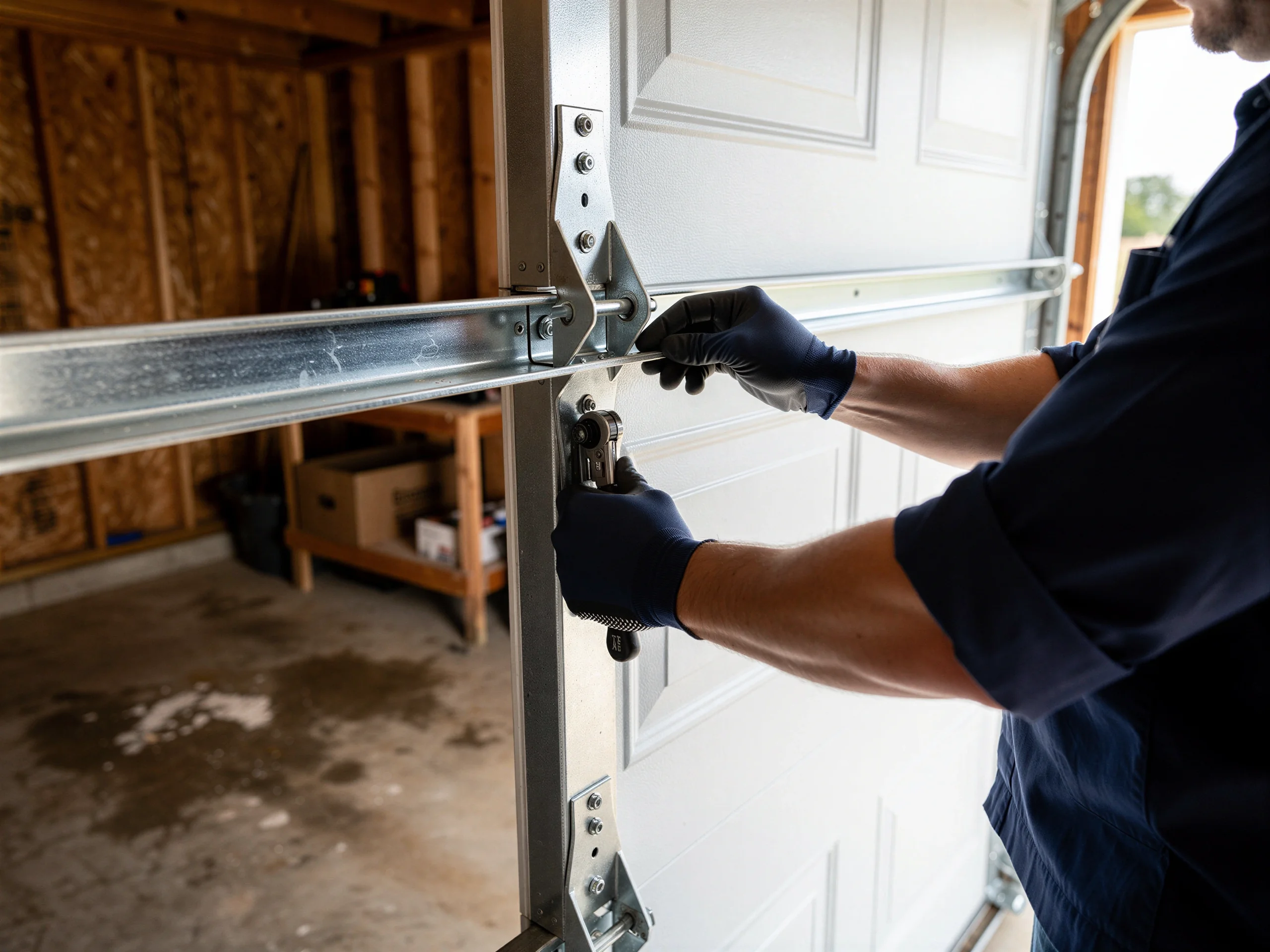
On a 1973-era door with original pulleys, there's an added wrinkle: the pulley and drum sizing may not match anything sold in a current hardware store kit, so a homeowner buying a generic replacement cable off a shelf can end up with the wrong gauge or the wrong length.
Visual cable inspection
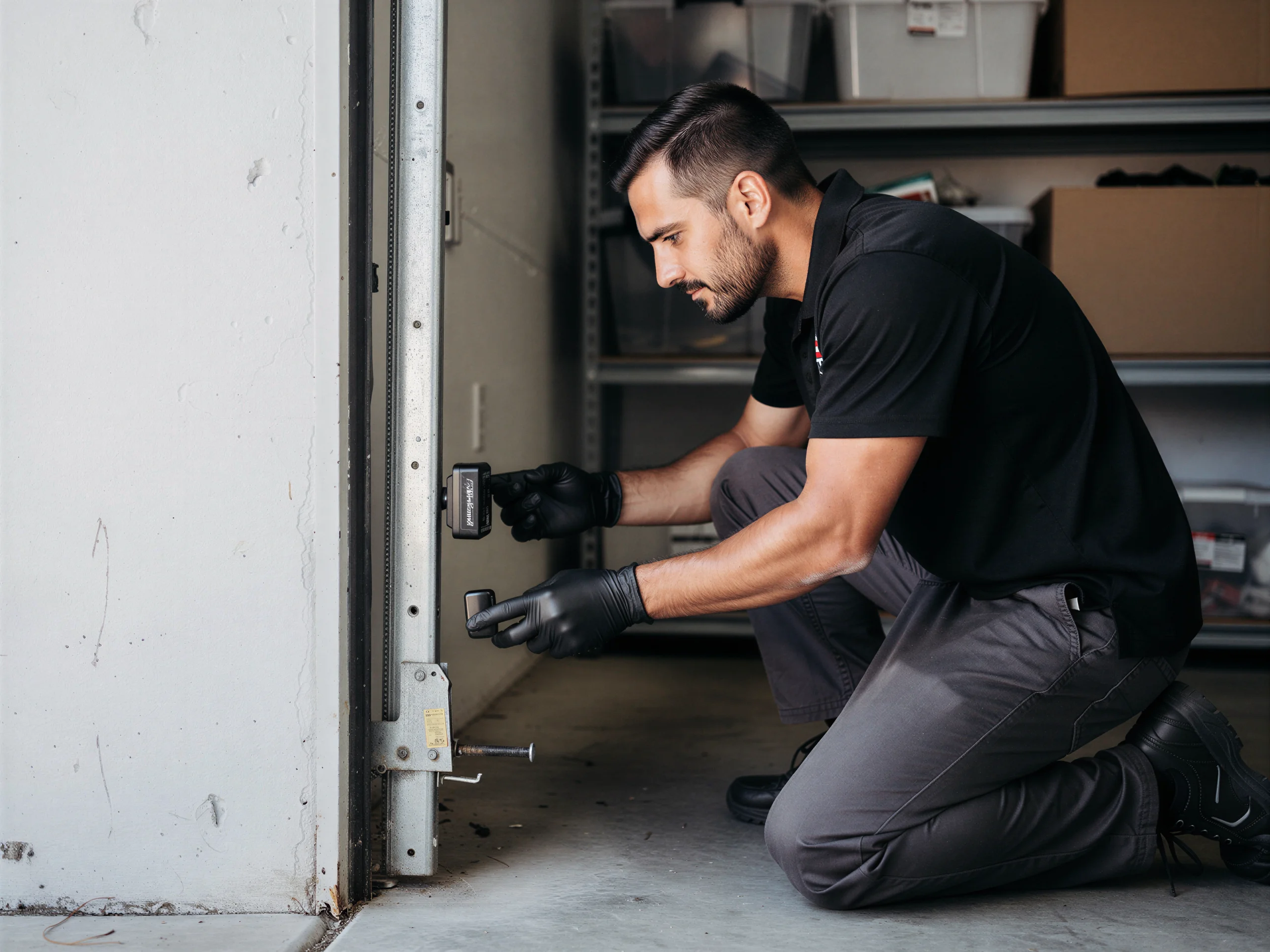
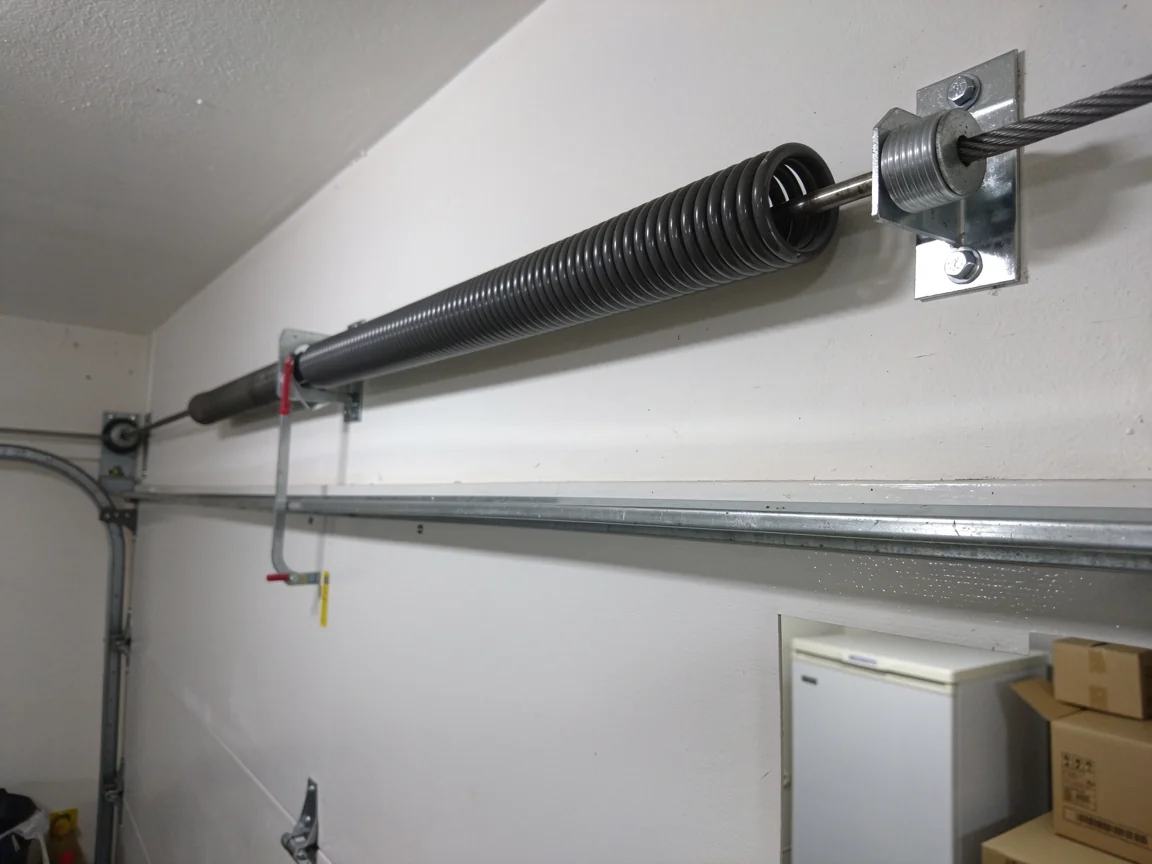
If you want to do something yourself safely, you can inspect: look at the cable where it wraps the bottom bracket and where it meets the drum at the top, check for rust bloom or separated strands, and note whether the door is binding on one side more than the other.
Leave spring and cable
That tells us what we're walking into before we show up. What you shouldn't do is loosen the spring, cut the old cable, or try to rethread it yourself. We'd rather talk you through what to check over the phone than have you find out the hard way what 50 years of spring tension does when it's released wrong.
The Symptom
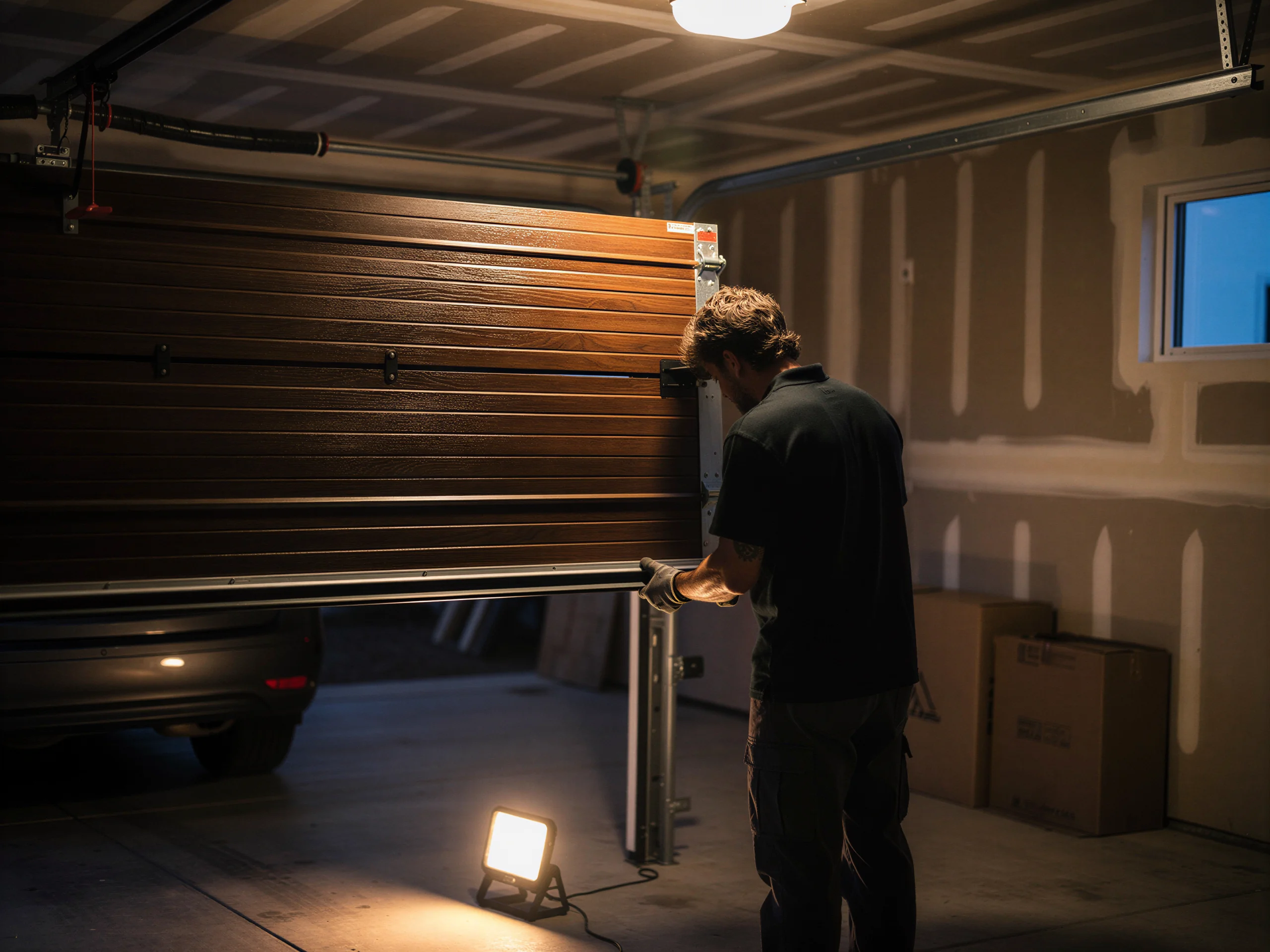
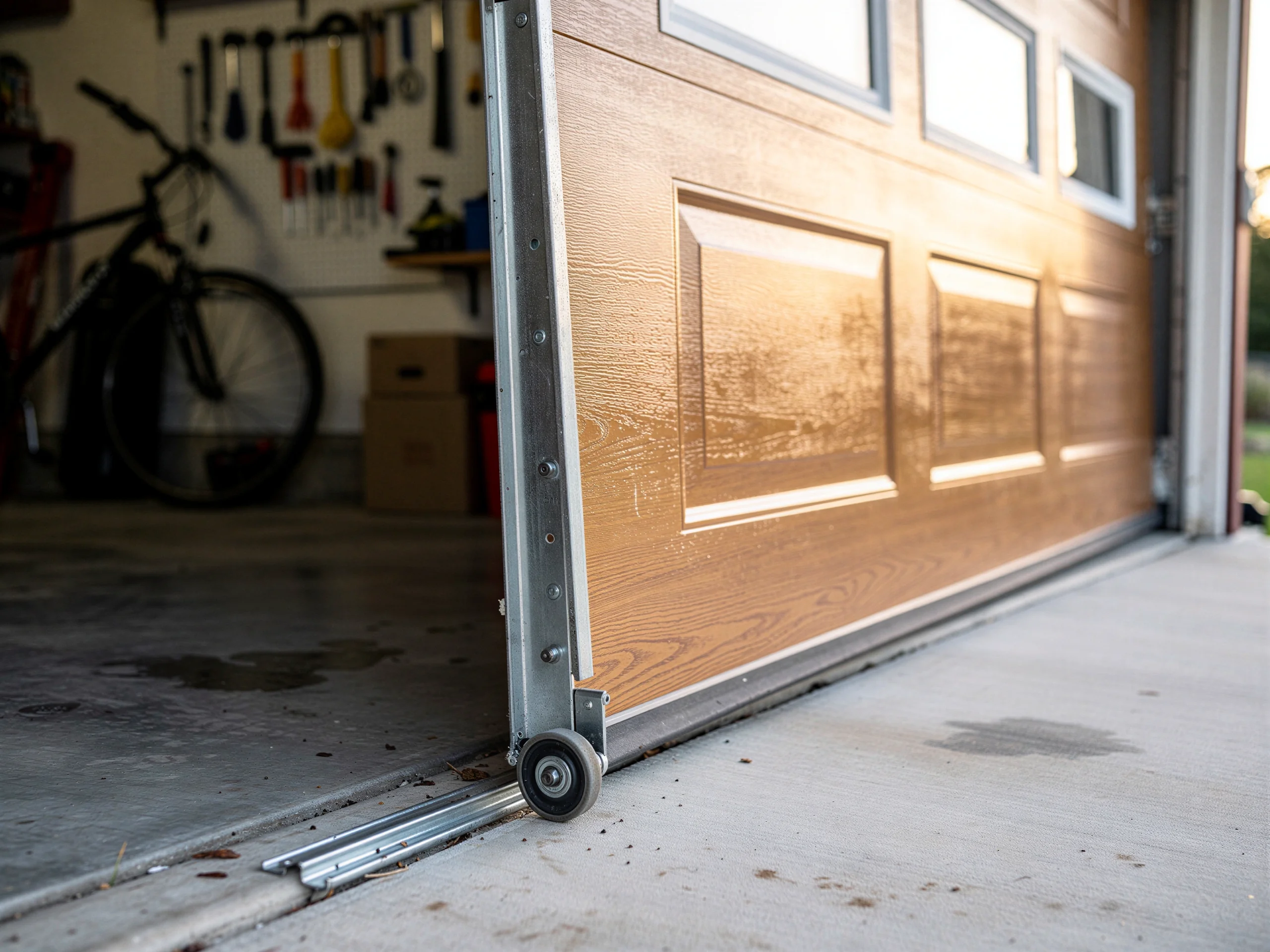
The most common call out of Highland Park is a door that drops unevenly - one side sags or the door runs crooked in the track right before full failure. On original 1970s hardware, this usually means one cable strand has started to separate while the other side is still holding, which puts extra load on the remaining good cable and accelerates its failure too. Some owners also report a loud bang followed by the door refusing to move at all, which is the cable finally parting at the drum. Less common but still showing up: fraying right at the bottom bracket where the cable has been bending the same few inches for decades without ever being re-tensioned. None of these are cosmetic. A door that's running crooked on worn cable is a door that can come down off one side without warning.
How to Book
We cover Highland Park out of Grapevine, about 18 miles out, so we ask for a description of the symptom up front - crooked drop, loud snap, door stuck shut - so the truck comes loaded with the right cable gauge and drum hardware for an older system rather than a modern one. You can see the broader service details for this suburb on our Highland Park garage door service page, or go straight to the cable repair page for Grapevine if you want the base rundown on how we approach this repair before booking.
What the Fix Involves
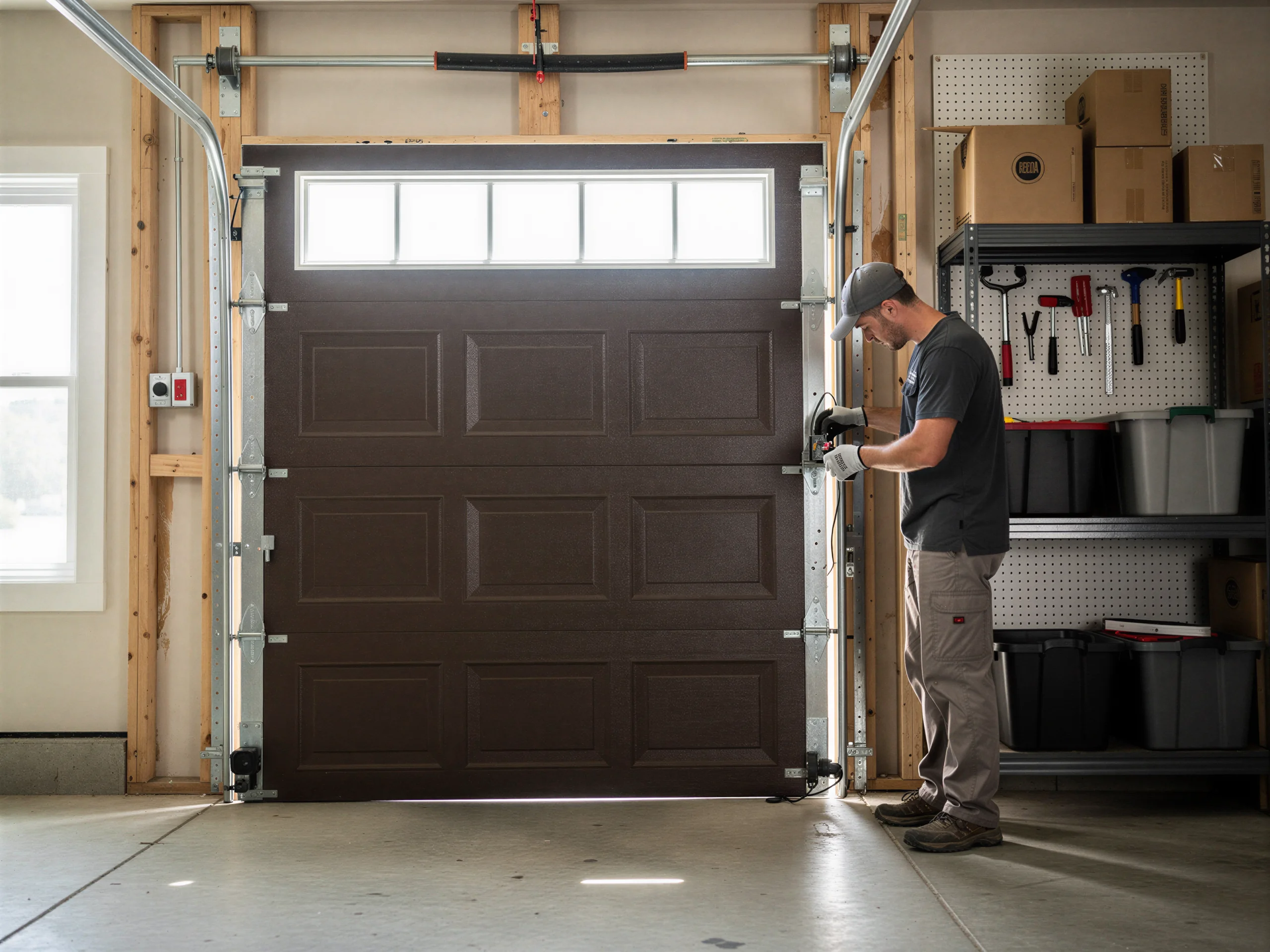
On a 1973-vintage door, the job usually starts with confirming whether the system is original torsion or an older extension-spring-and-pulley setup, because the cable spec and the safe-release procedure differ between the two.
Measuring real panel weight
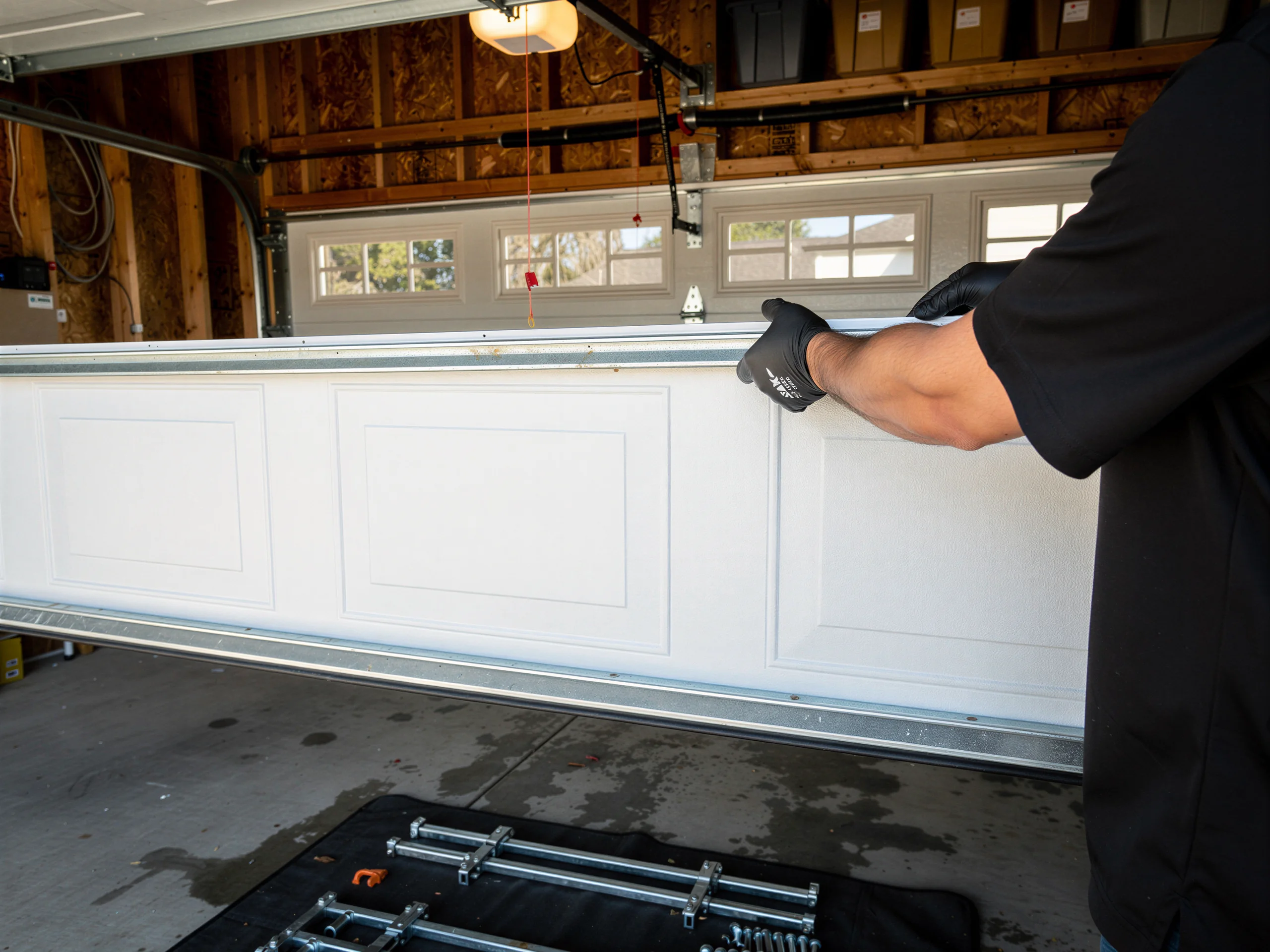
We clamp off spring tension properly, pull the damaged cable off the drum or pulley, and measure against the door's actual panel weight rather than assuming a stock size - older doors were often built heavier per panel than current steel sectional doors.
Cable pair replacement
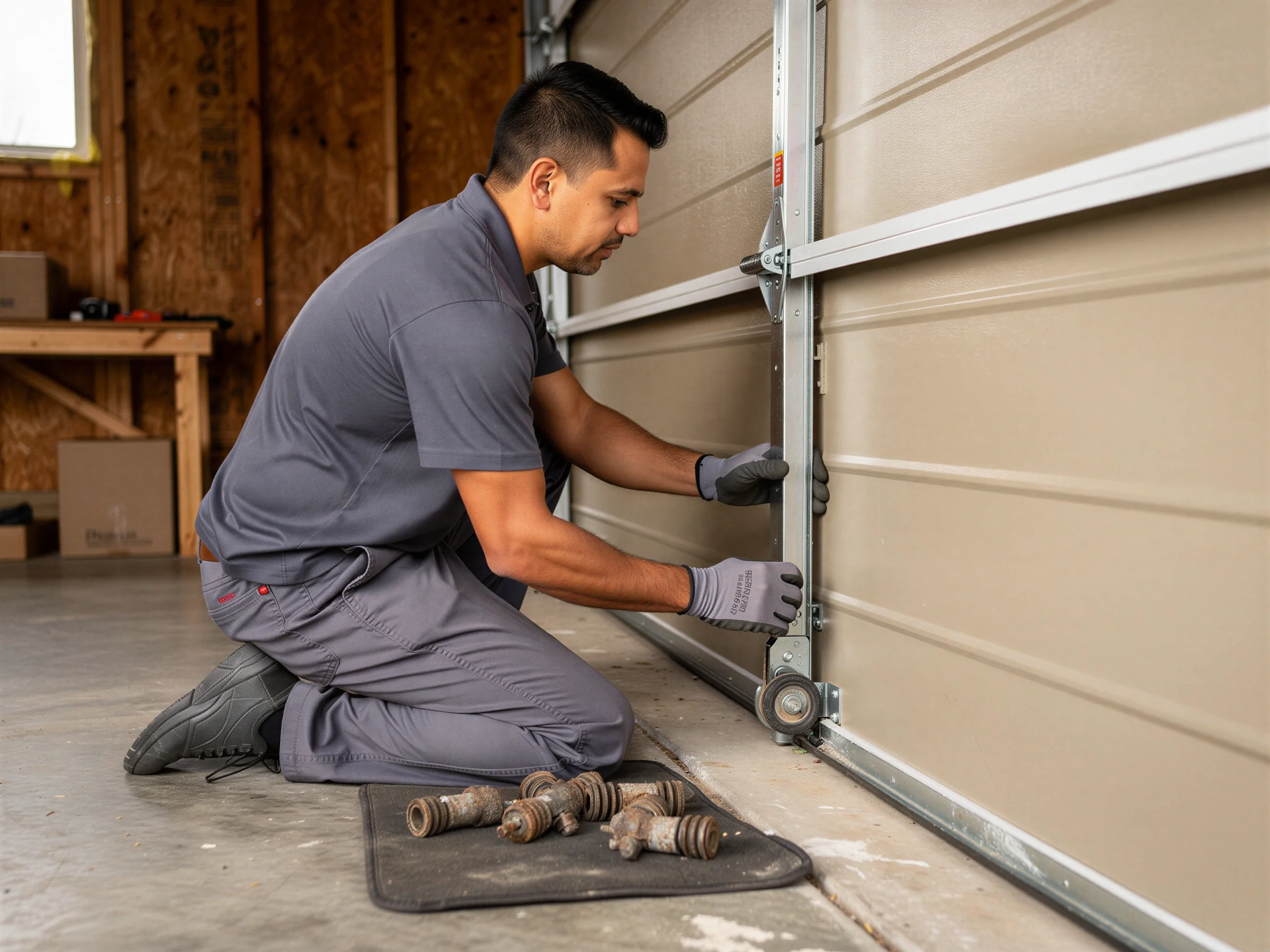
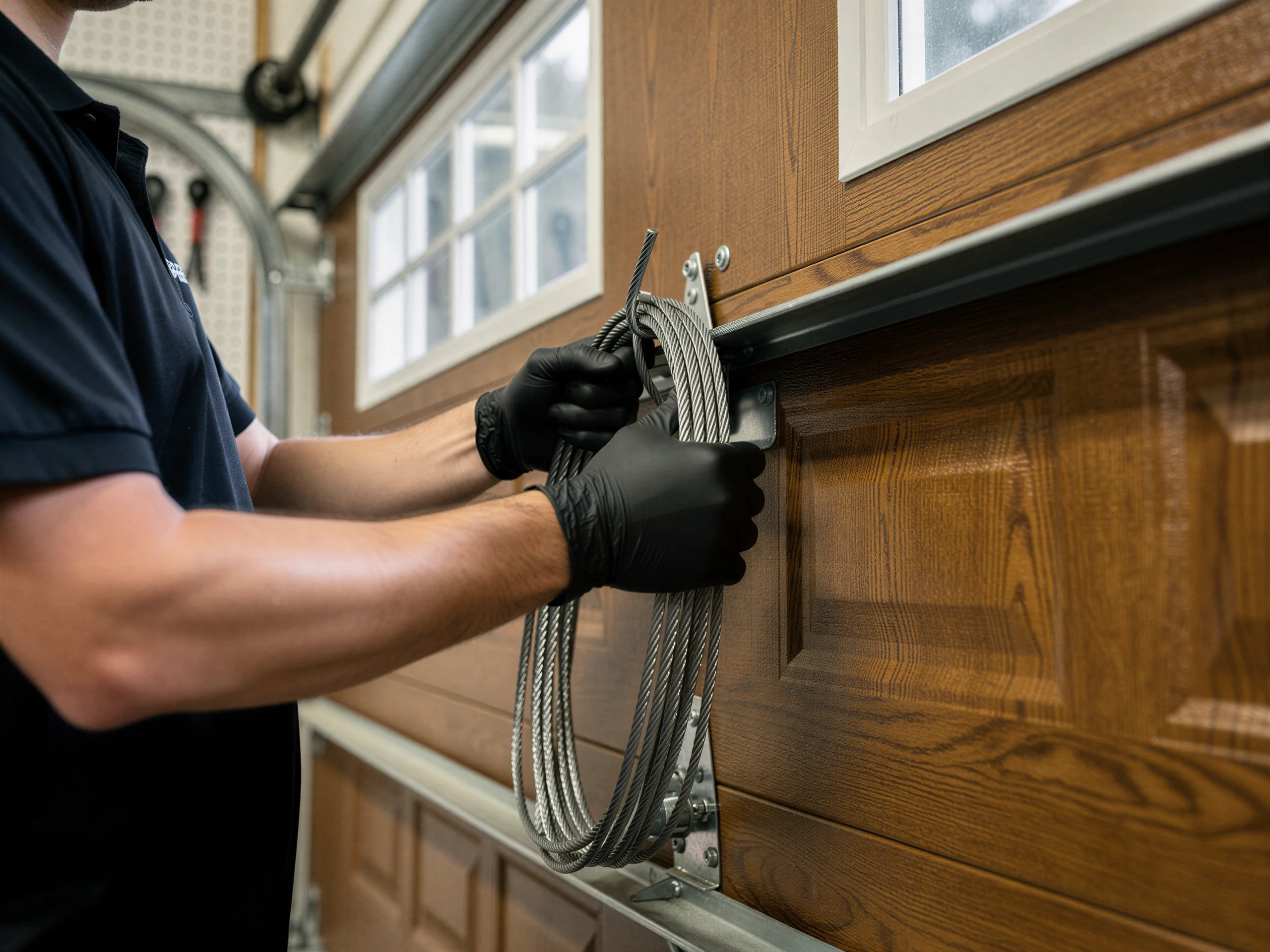
Both cables get replaced as a pair even if only one failed, since the surviving cable on a door this age has usually absorbed the same decades of wear and is close behind. We also check the drum set screws and pulley brackets for wear while we're in there, since on hardware this old those parts are often the real reason the cable failed in the first place, not a flaw in the cable itself.
Drum damage beyond cable
One honest limitation: if the drum or pulley housing itself is cracked or the track is bent from the uneven drop, cable replacement alone won't fix the door, and we'll tell you that on site rather than charge you for a repair that won't hold.
What It Costs
We don't post a flat number for cable repair because the two cases we see most in Highland Park - a straightforward torsion cable swap versus an older extension-and-pulley rebuild - take different parts and different time on site. What we can say is that Highland Park households skew toward higher income for this service area, with median household income around $250,001, well above the broader area's $145,297, but that doesn't change what the job itself requires. We price the repair based on the hardware actually on your door, not the neighborhood, and we'll give you the number before we start, not after.
Talk to a local pro
Garage door service in Grapevine?
Same-day service with honest, upfront quotes.