Parts We Carry
Keller's housing stock centers on 1999, which puts it on the newer end of what we see across the wider service area, where homes run anywhere from 1959 to 2014.
Heavier late-90s double doors
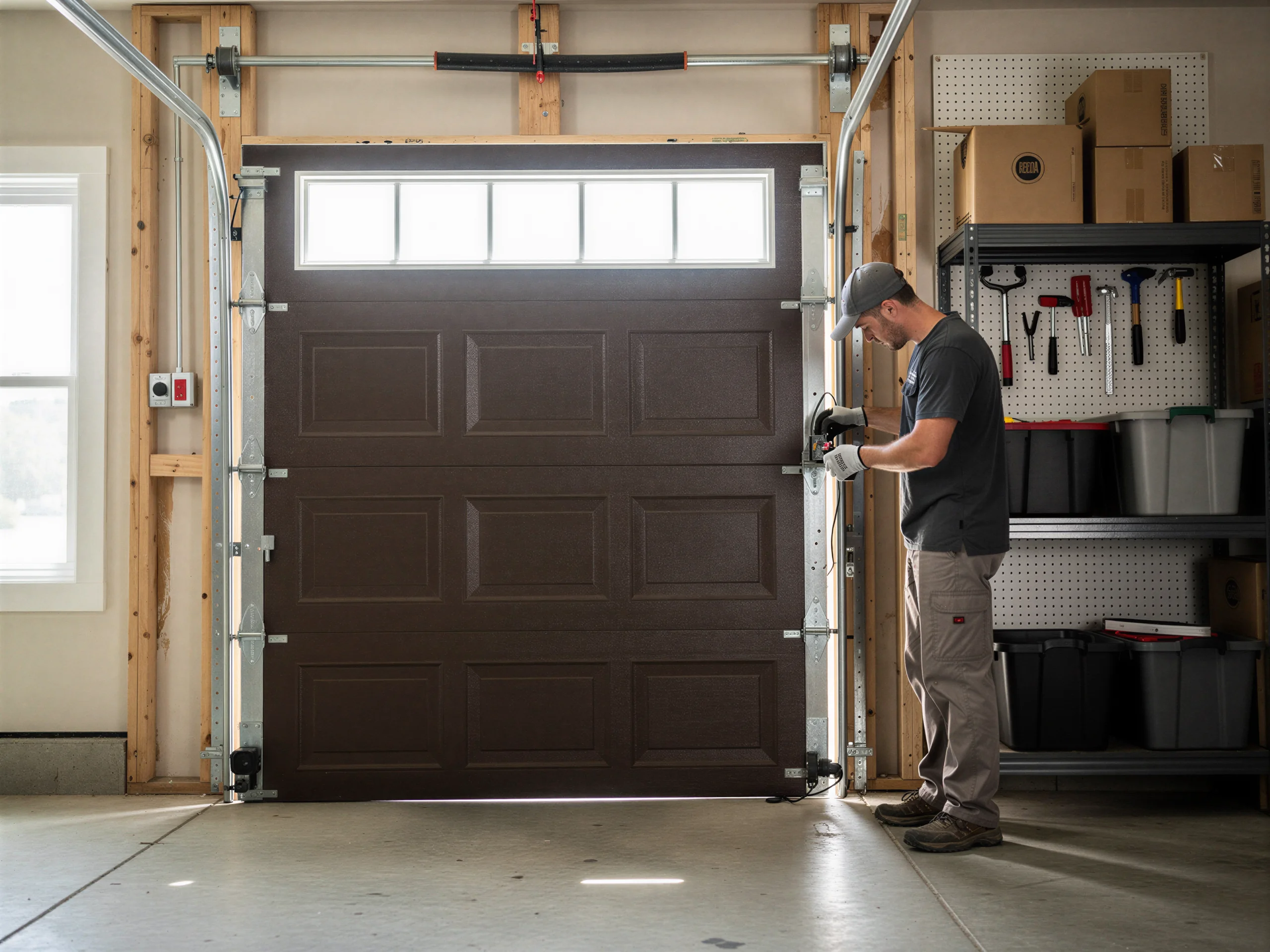
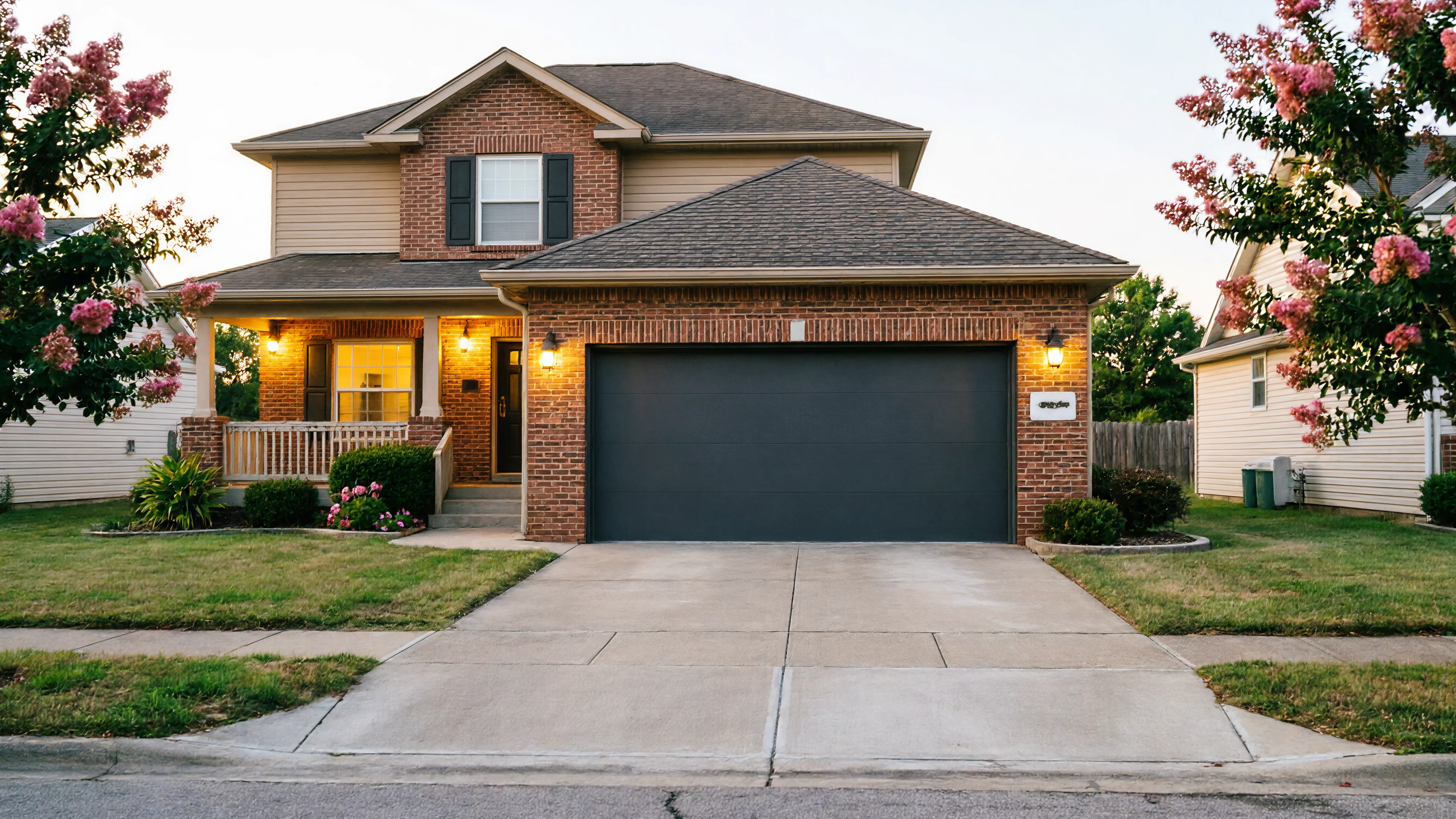
That matters for what's actually on the door. A lot of the 80s-and-90s stock we work on elsewhere has first-generation chain-drive openers and lighter steel sections. Keller homes from around the late 90s more often carry heavier insulated double doors, belt or screw-drive openers with early circuit boards, and torsion springs sized for that extra weight.
Late-90s spring and board stock
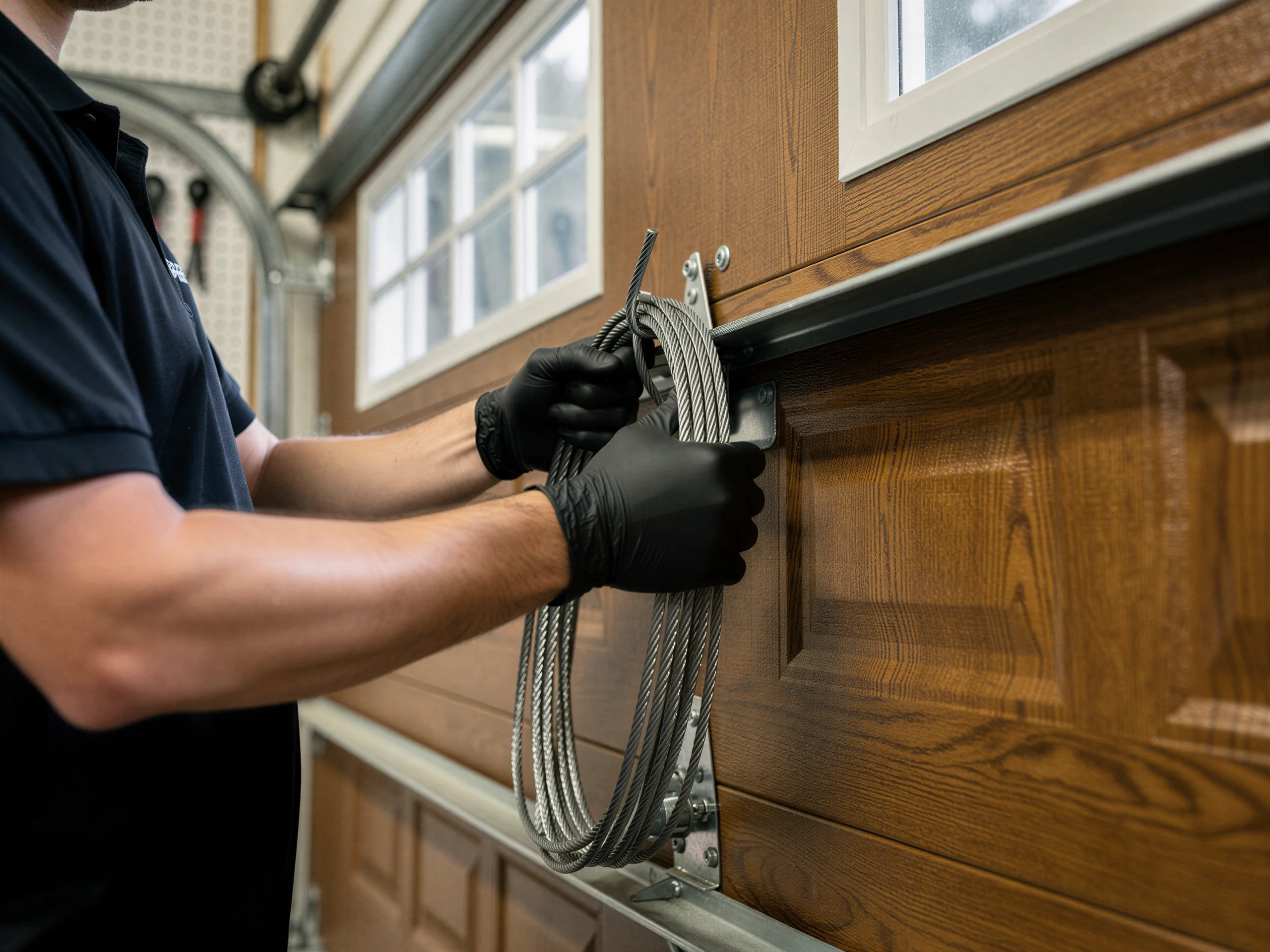
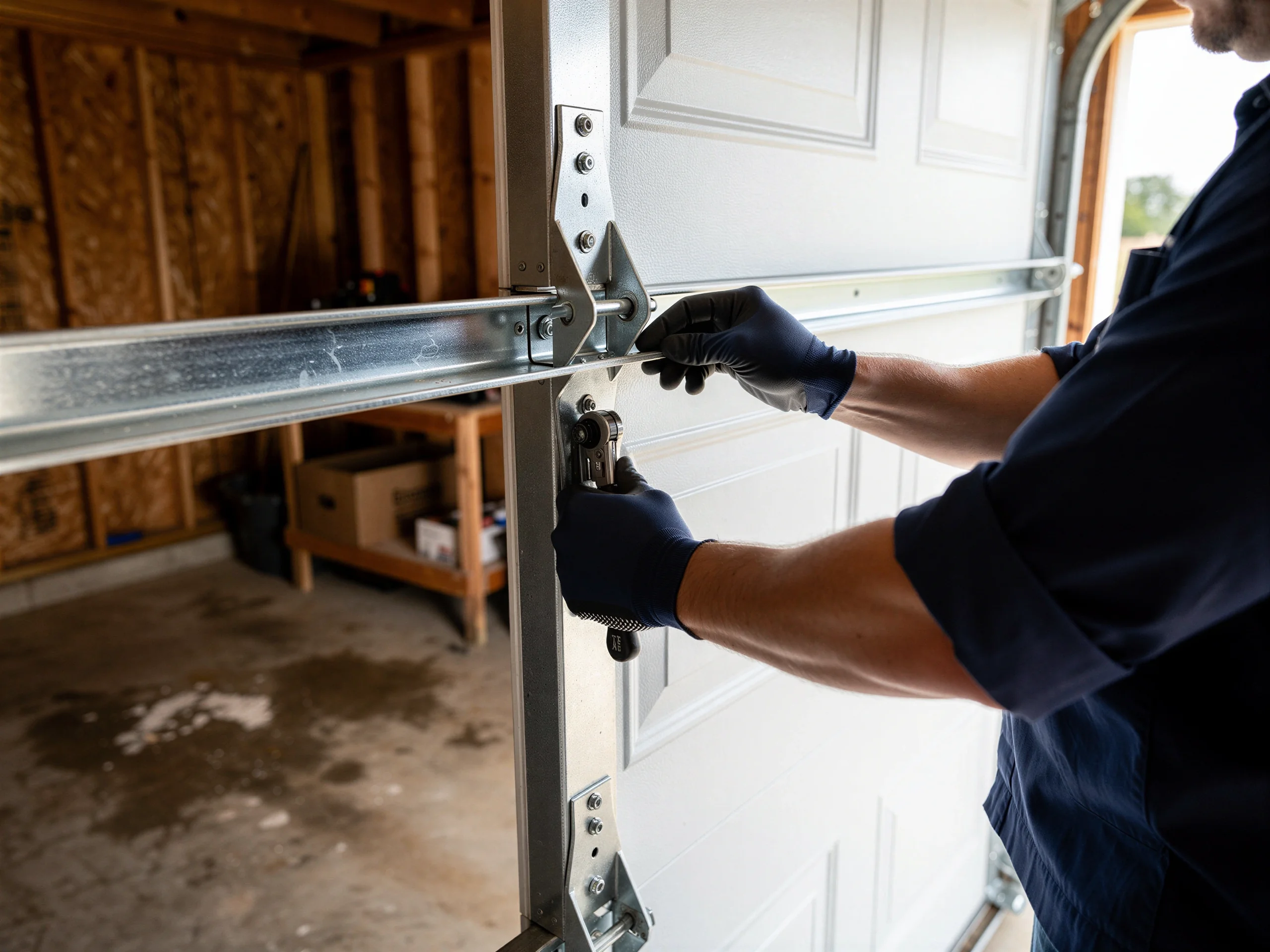
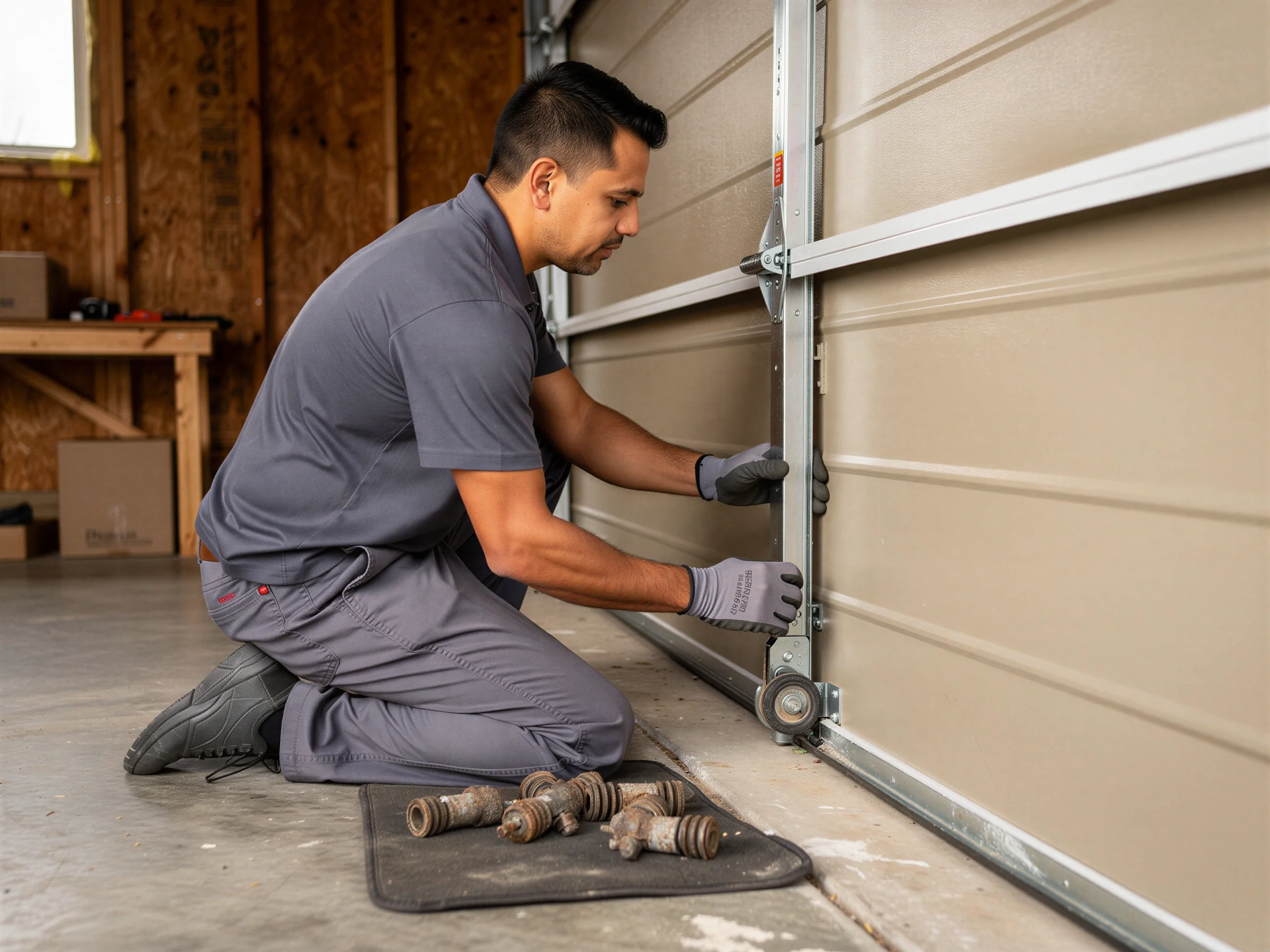
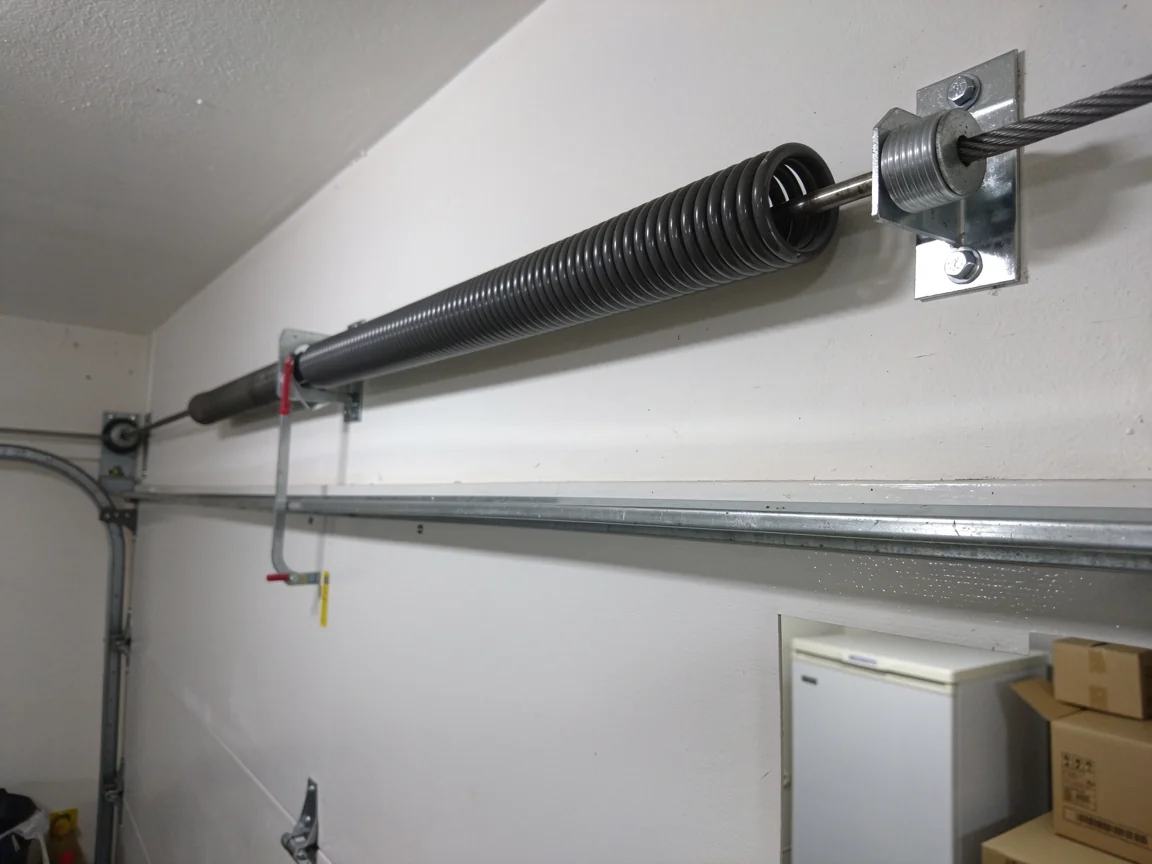
We carry torsion springs in the sizes that match late-90s double-door setups, standard rollers, galvanized cable, and the control boards that fail in openers from that build window. The heat band here is moderate, not extreme, but enough that nylon rollers and spring lubricant dry out faster than you'd expect over 20-plus years, which is roughly the age of a lot of this hardware now.
Special order panels
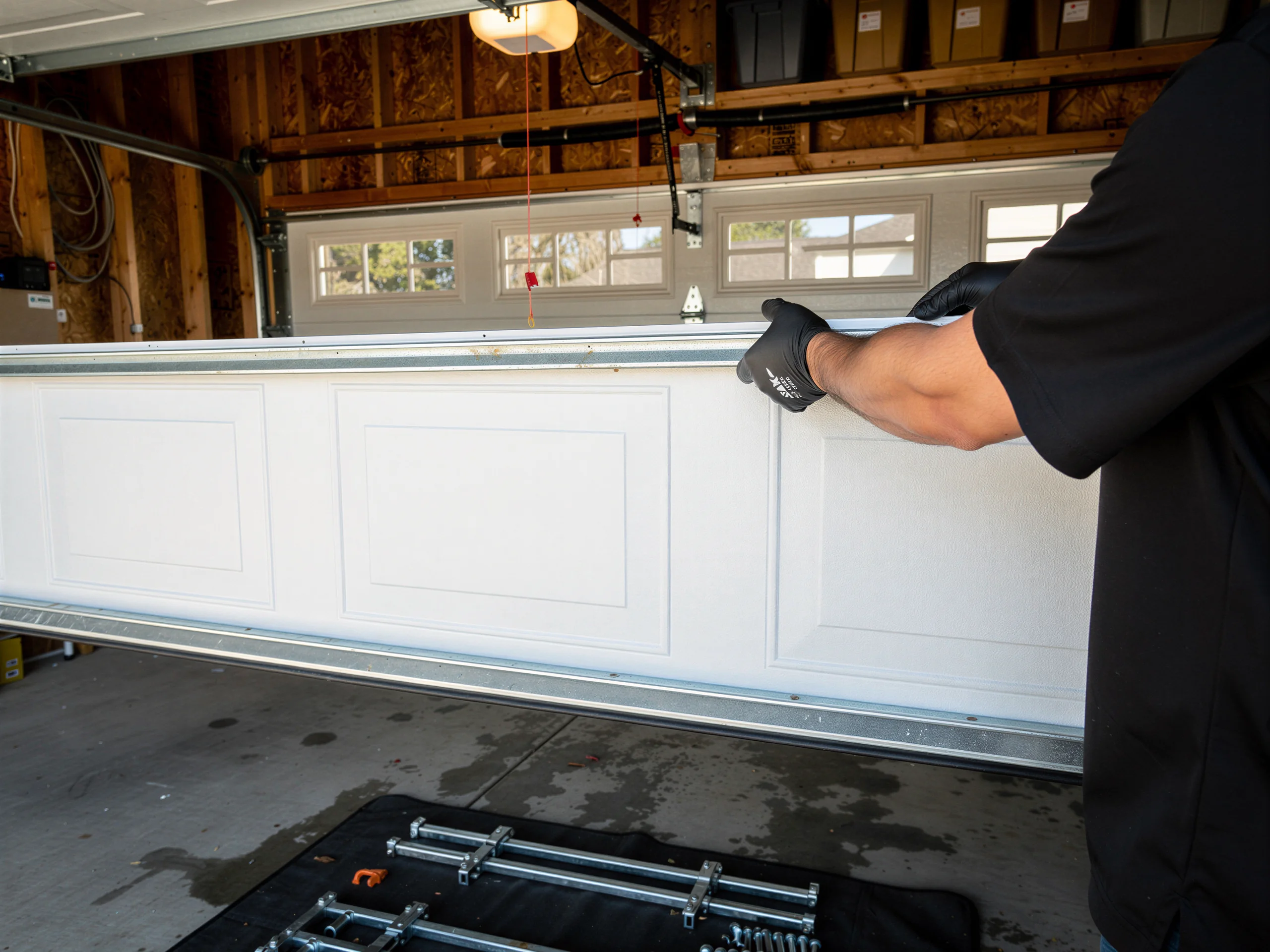
One limitation worth saying plainly: if your door is an unusual size or a specialty wood-look panel, we don't keep that stock on the truck. Those jobs take a special order, and we'll tell you that on the spot rather than make you wait for a part that isn't coming.
How Long It Takes
We travel from Grapevine, 9 miles out, so Keller isn't a same-block call - we're not going to promise a number of minutes we can't back up.
Spring jobs contained
What we can tell you is what drives the timeline once we're there: a snapped torsion spring on a standard double door is usually a contained job once we're on site, while a failed circuit board on an older opener sometimes means testing the board, the wall control, and the sensors in sequence before we know which part is actually bad.
Boards mimic other faults
Homes built around 1999 tend to have openers that are now old enough that boards fail in ways that mimic other problems - a dead board can look like a bad sensor or a worn gear, and sorting that out takes longer than swapping a spring.
Parts delay the repair
The honest limitation: if the fix needs a part we don't carry on the truck, the repair itself waits on that part, not on us. We won't guess at a same-day fix when the cause turns out to be something we have to order.
Why This Fails Locally
Across the service area, housing spans 1959 through 2014, and a lot of what we service day to day falls in that 1980s-90s band. Keller sits later than that median - its housing centers on 1999 - which changes what breaks and when. Springs and openers installed when a house is built don't last forever regardless of era, but a door built in 1999 is now old enough that original torsion springs are past a normal duty cycle, and the openers from that period are reaching the end of their circuit-board life.
Keller's median household income runs $172,654, well above the $145,297 average across the full service area. That tends to show up in the doors themselves - more double-door, insulated-panel setups than single lightweight doors, and heavier insulated panels put more load on springs and on the opener's drive gear over time.
With 16,058 households in Keller against 114,435 across the whole area we cover, Keller is a smaller slice, but its homes trend newer and heavier than the typical 80s-90s build that dominates elsewhere, so the failure pattern looks different: fewer bare rusted extension springs, more worn torsion hardware and tired opener boards.
What the Fix Involves
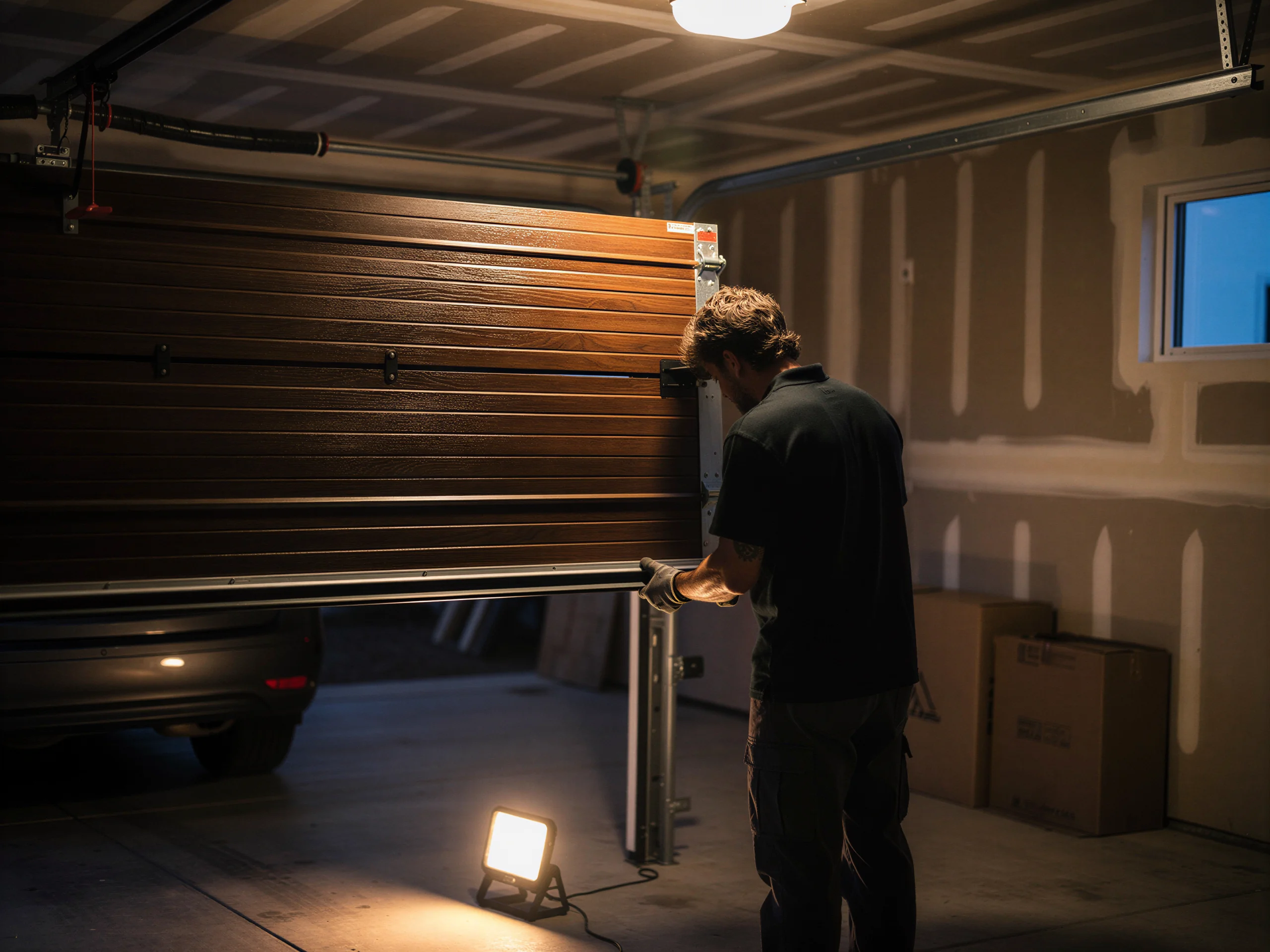
We start by figuring out whether the problem is the spring, the opener, or the track - on a door that won't move, those three things look similar from the driveway but need different fixes.
Both springs, board test
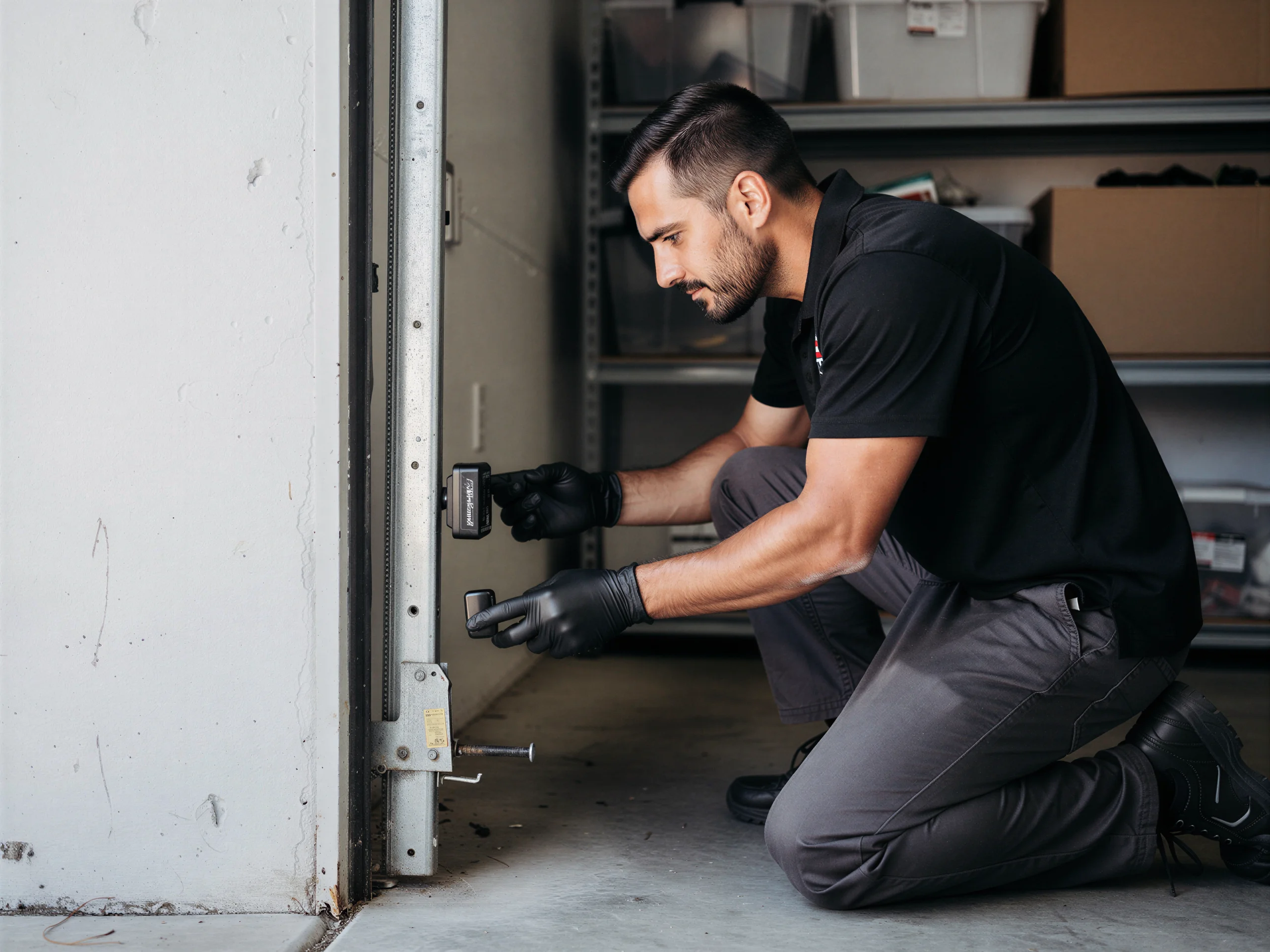
On a late-90s double door, a broken torsion spring usually means replacing both springs as a pair, even if only one failed, since the other is on the same clock. If the opener's the issue, we test the control board, the wall switch, and the safety sensors before replacing anything.
No board swaps on guess
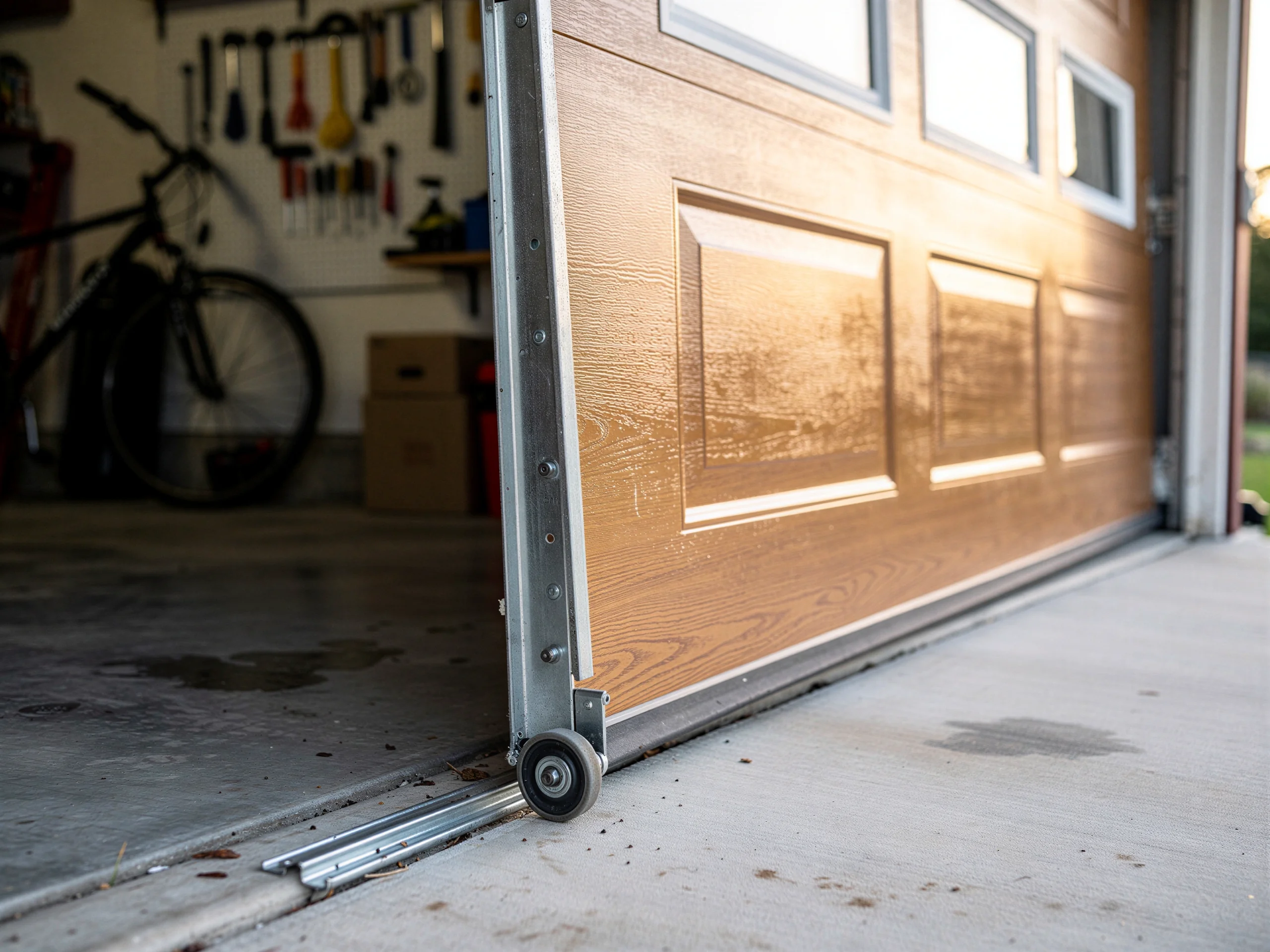
Boards from that era fail in ways that can mimic a sensor problem, so we don't swap a board on a guess. Track and roller wear shows up as grinding or a door that binds partway - we realign the track and replace rollers where they've worn past round, which happens faster under moderate heat cycling over two decades than most owners expect.
Findings and costs first
We always walk through what we found and what it costs before doing the work, and if a repair doesn't make sense against a full replacement - for example, a badly rusted or warped door - we'll say so rather than patch something that'll fail again in a year.
How to Book
We run this call from Grapevine, 9 miles from Keller, so there's no local branch or dispatch point in town - just a truck that comes out when you call. If you're not sure whether what you're dealing with counts as an emergency or can wait for a scheduled slot, say what the door's doing and we'll tell you straight.
For general Keller service beyond an emergency call, see the Keller garage door service page. If you're actually in Grapevine itself, the Grapevine emergency repair page covers that service area directly.
Talk to a local pro
Garage door service in Grapevine?
Same-day service with honest, upfront quotes.