Why This Fails Locally
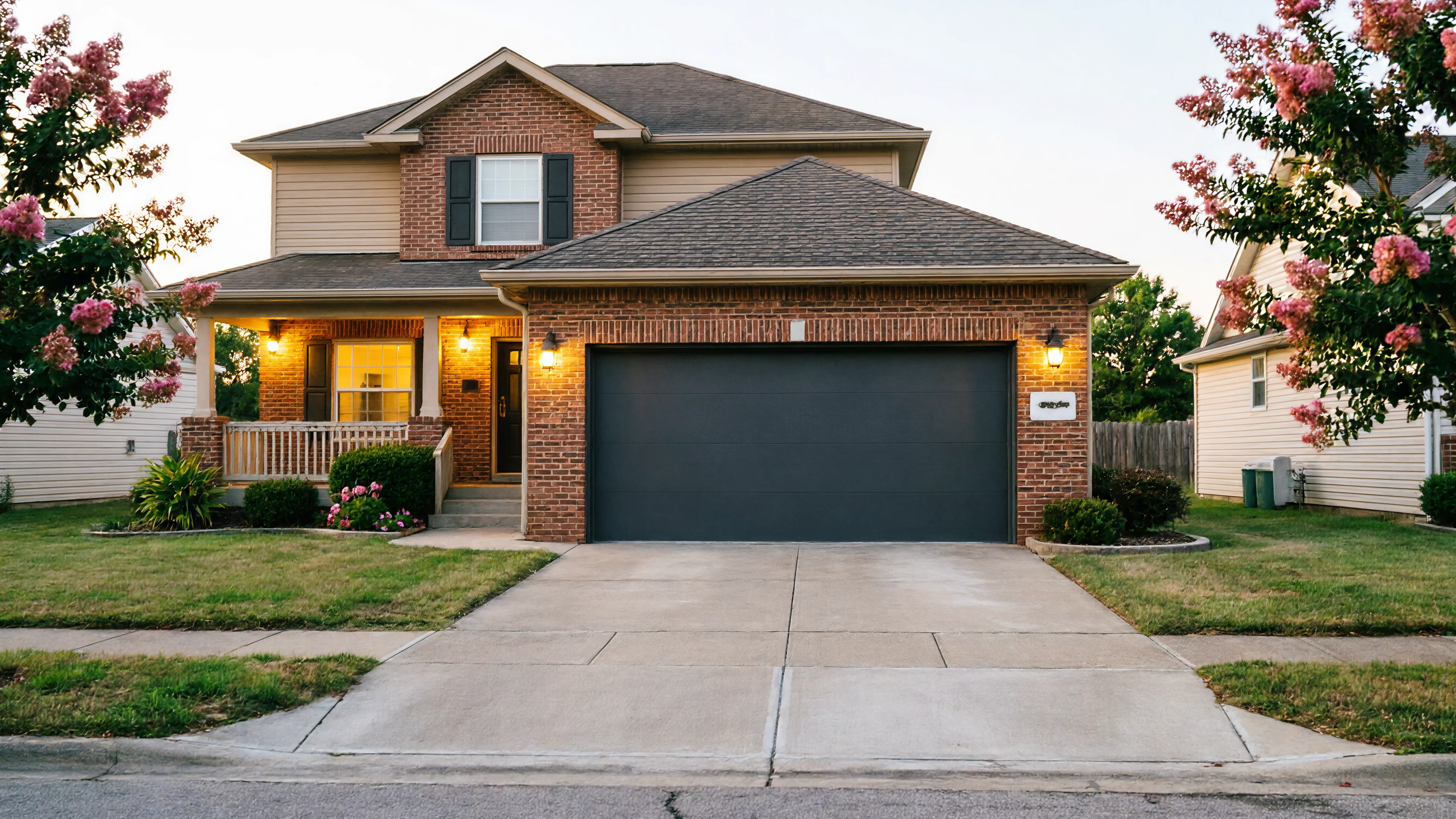
Houses in University Park went up around 1987 on average, which puts most of this area's garage doors right at the edge of a hardware line that matters: federal photo-eye sensor requirements for openers didn't land until 1993. A door installed in the late 80s was built to the standard of its decade, not ours, and that shows up as emergency calls in a specific pattern - openers that don't reverse on obstruction, extension springs running bare over the top track with no containment cable, and steel that's thirty-plus years into cycling on original hardware. None of that is dangerous by itself until a cable frays or a spring lets go, and then it's a call. University Park sits about 17 miles out from Grapevine, and the houses here are part of a service area where the broader housing stock runs 1959 through 2014 with a 1999 median - so this suburb's hardware actually skews a bit older than the area average, not newer. That gap is the reason a repair call out here often turns up parts nobody stocks on the truck without a lead time.
What the Fix Involves
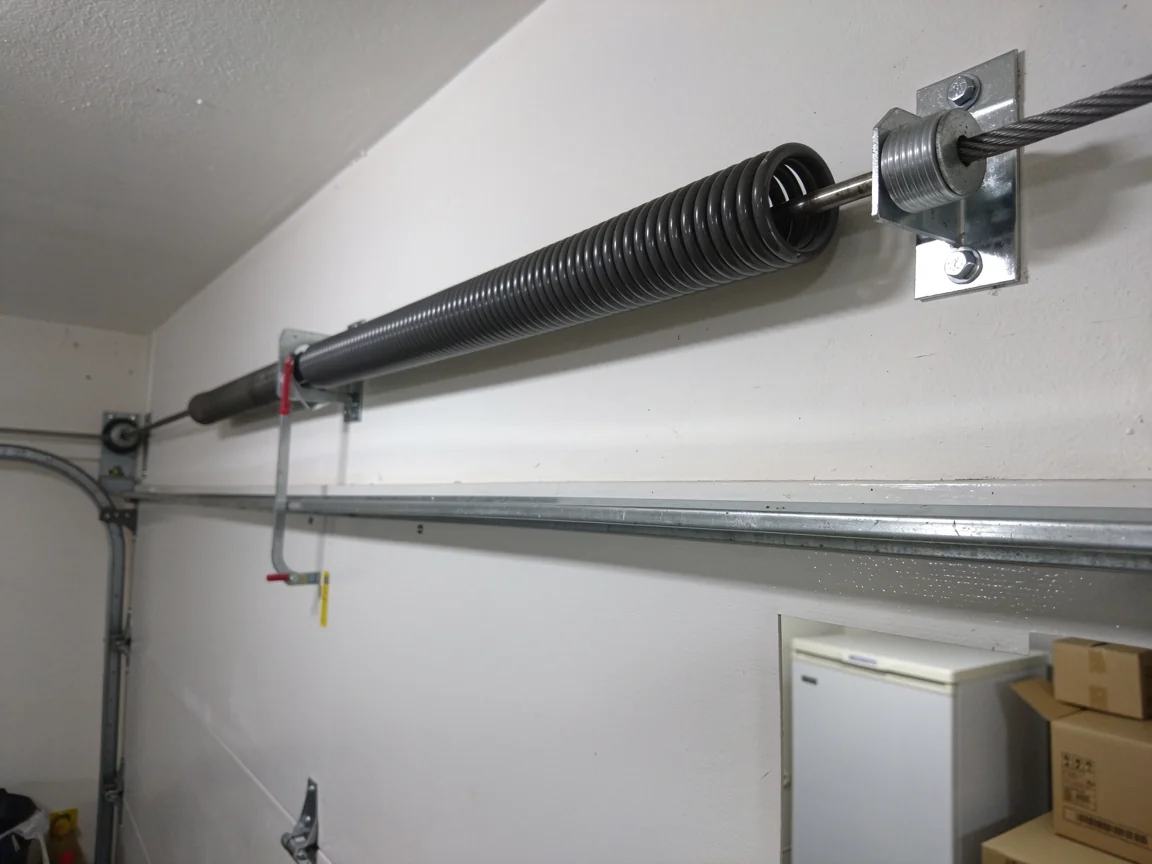
A broken torsion or extension spring gets replaced to match the door's weight and cycle count, not swapped for whatever's closest in size - mismatched springs wear cables and openers fast.
Brittle plastic rollers
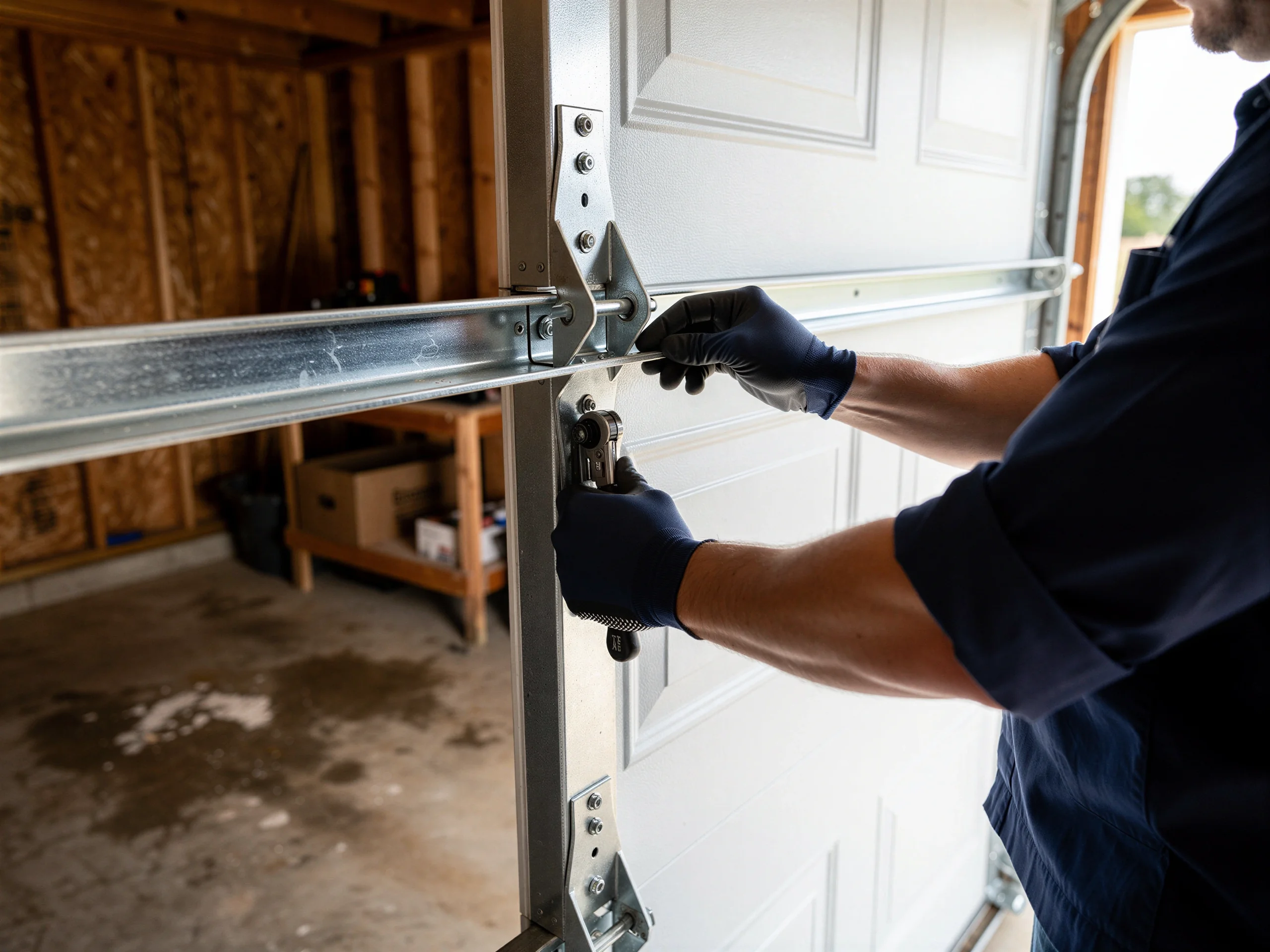
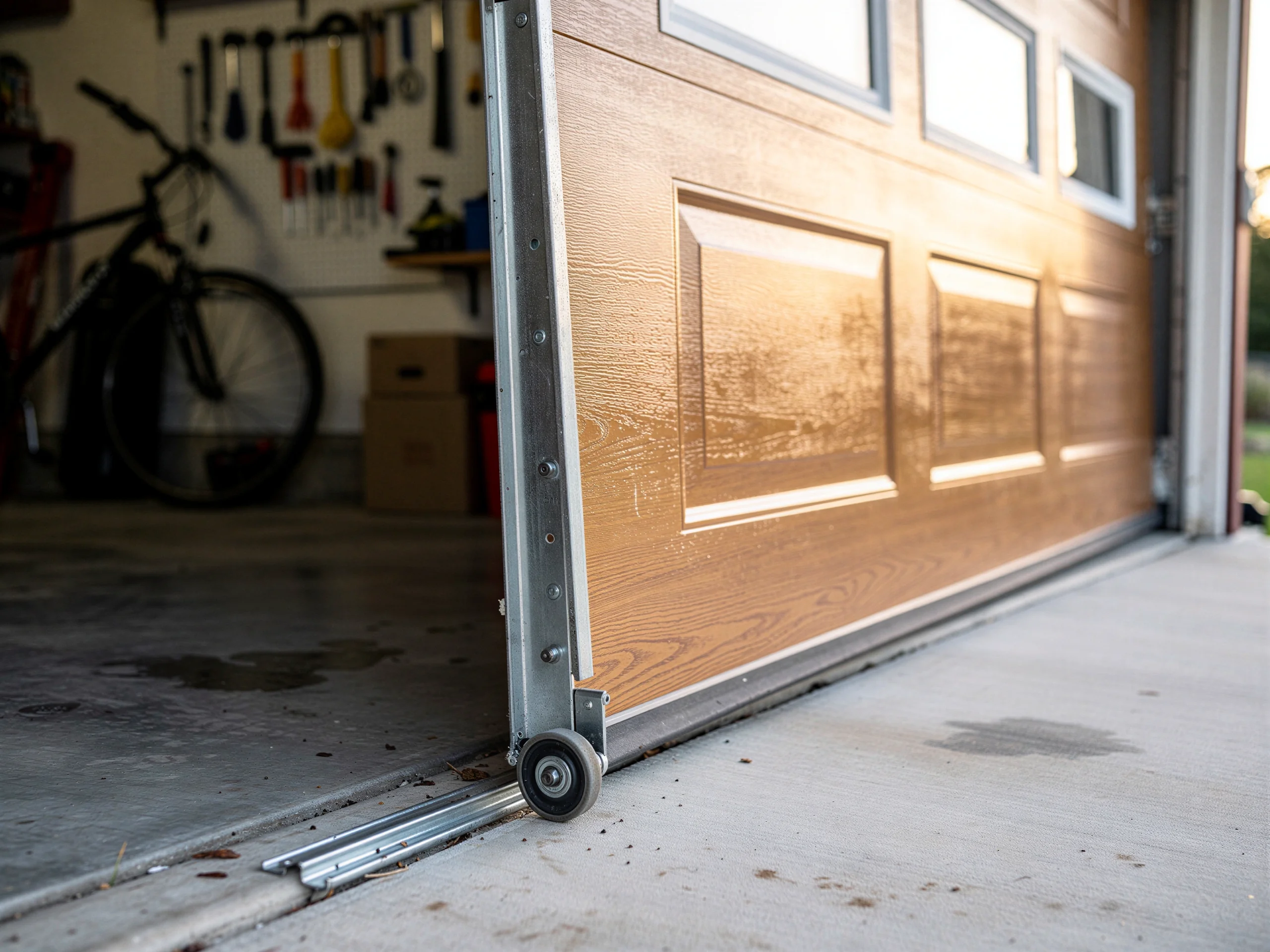
If the door is off its track, the fix is usually bent track sections straightened or replaced and rollers checked for the plastic ones original to late-80s installs, which go brittle with heat exposure over time.
Photo-eyes added as standard
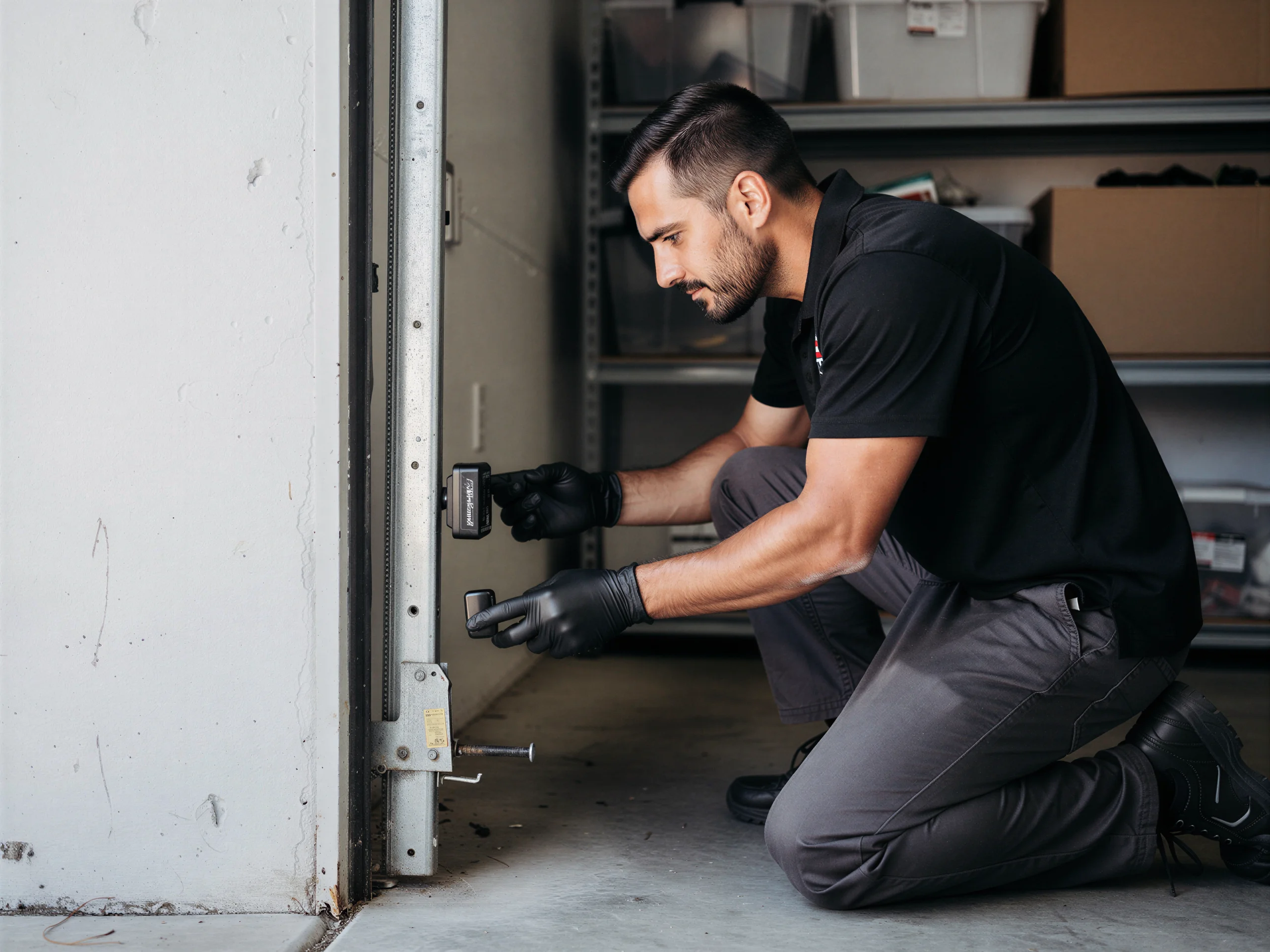
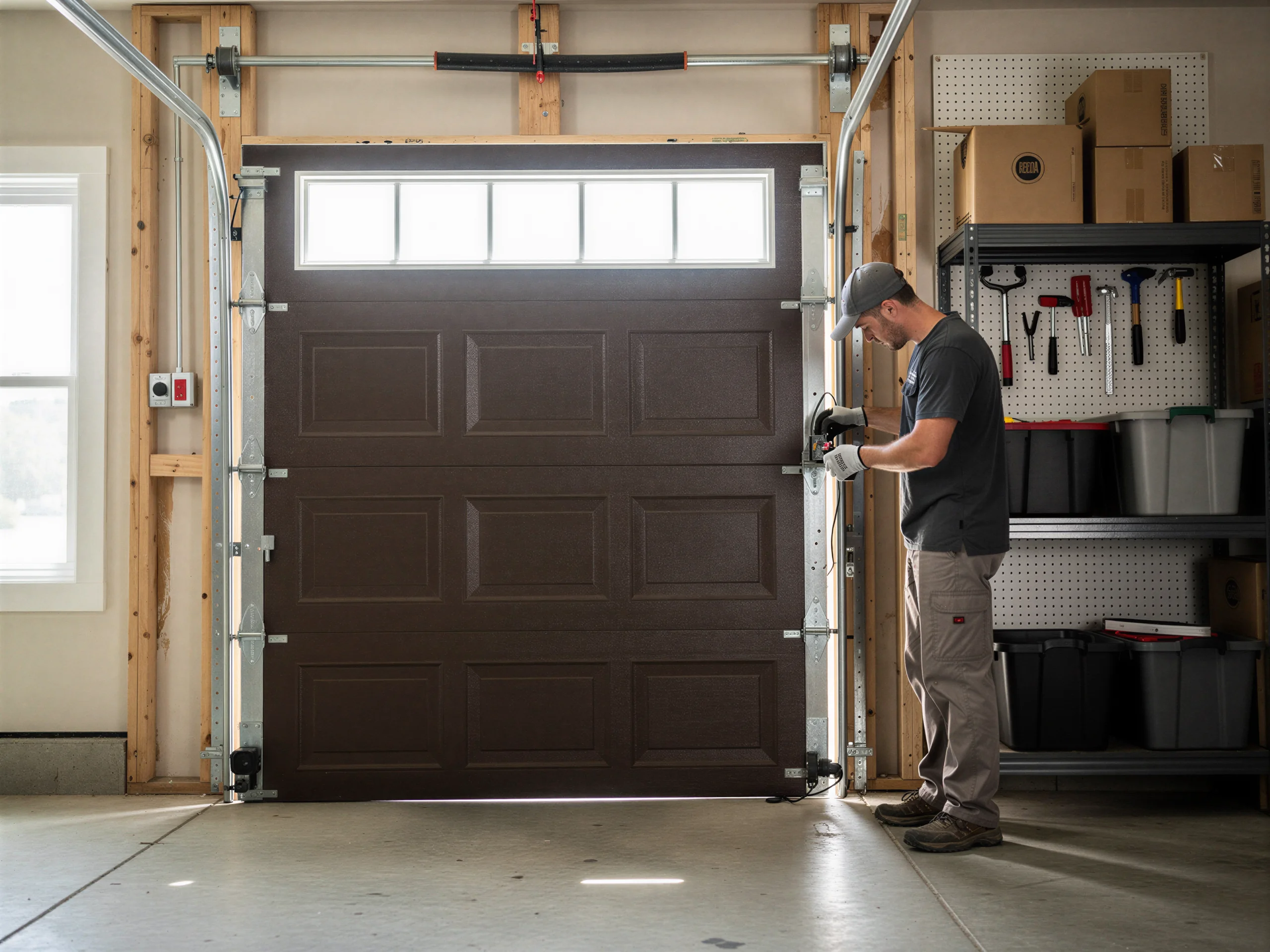
An opener with a dead sensor or a sensor that was never installed gets photo-eyes added so the door actually stops and reverses on an obstruction - that part isn't optional once we're already there working on the system.
Drum and cable together
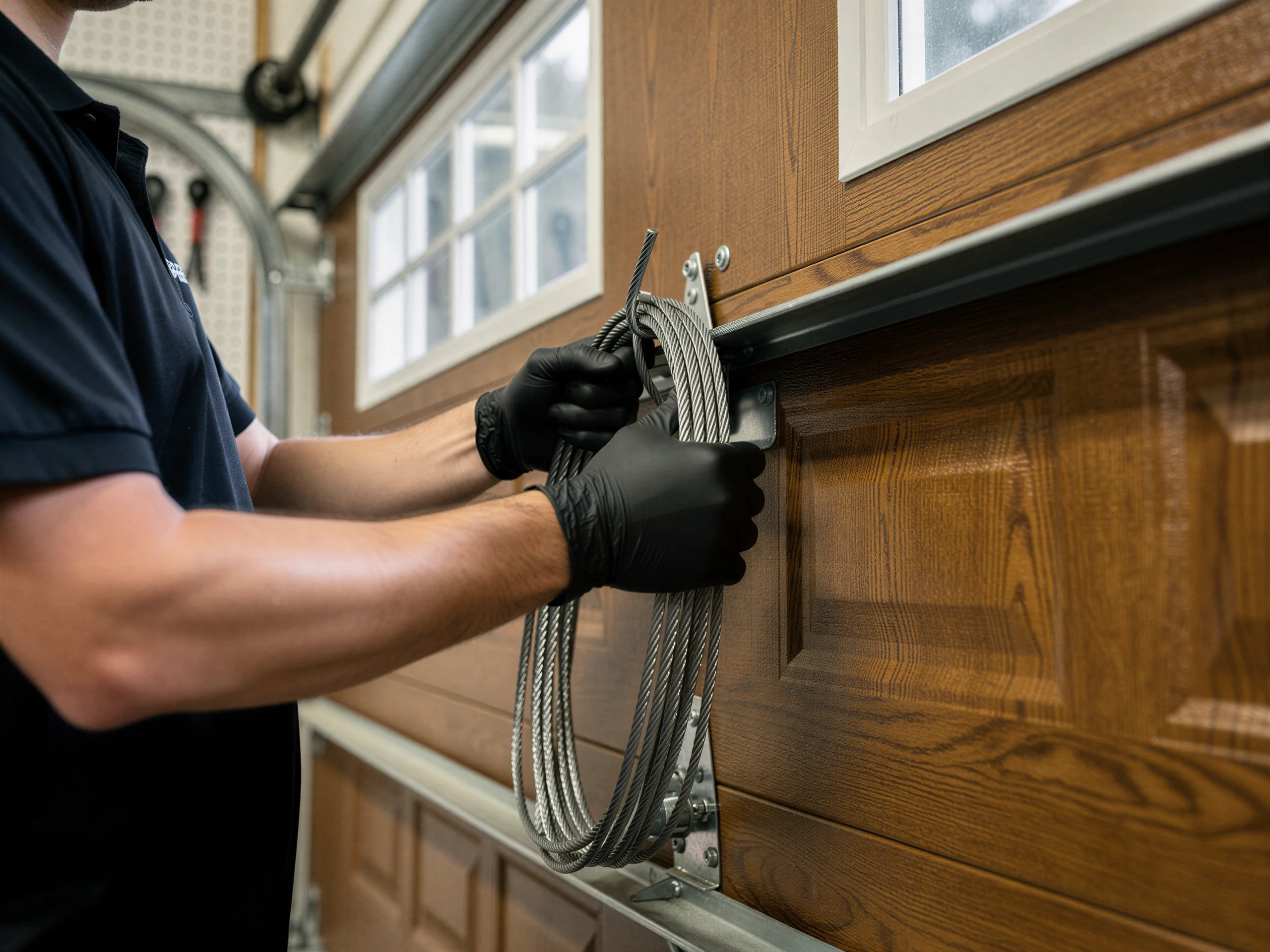
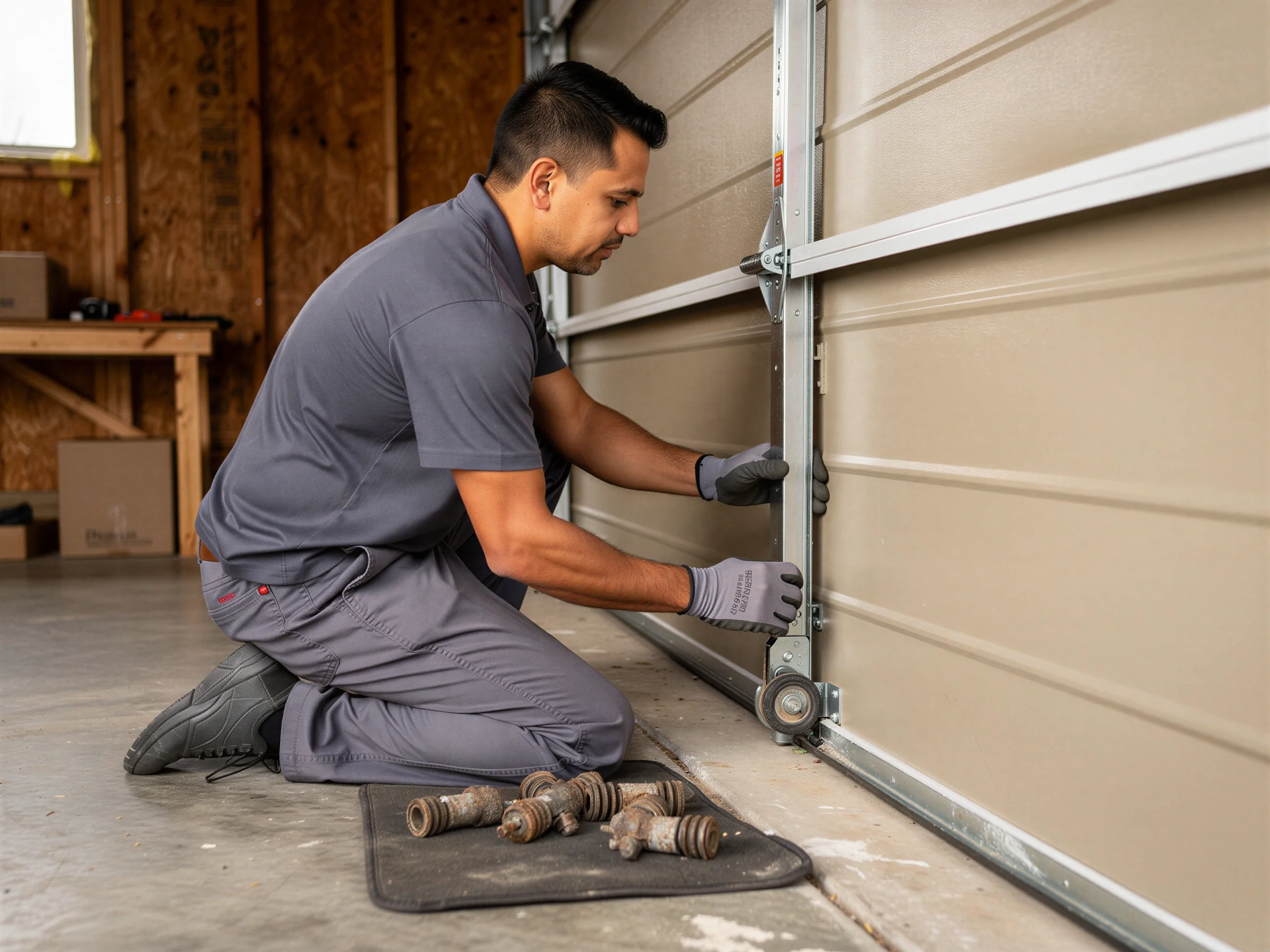
Cable replacement is a drums-and-cable job, not a single cable swap, because one frayed cable almost always means its partner is close behind. None of this is guesswork done on-site without looking at the actual hardware first, since a 1987-era door and a 2010-era door on the same street can need completely different parts.
Doing It Yourself
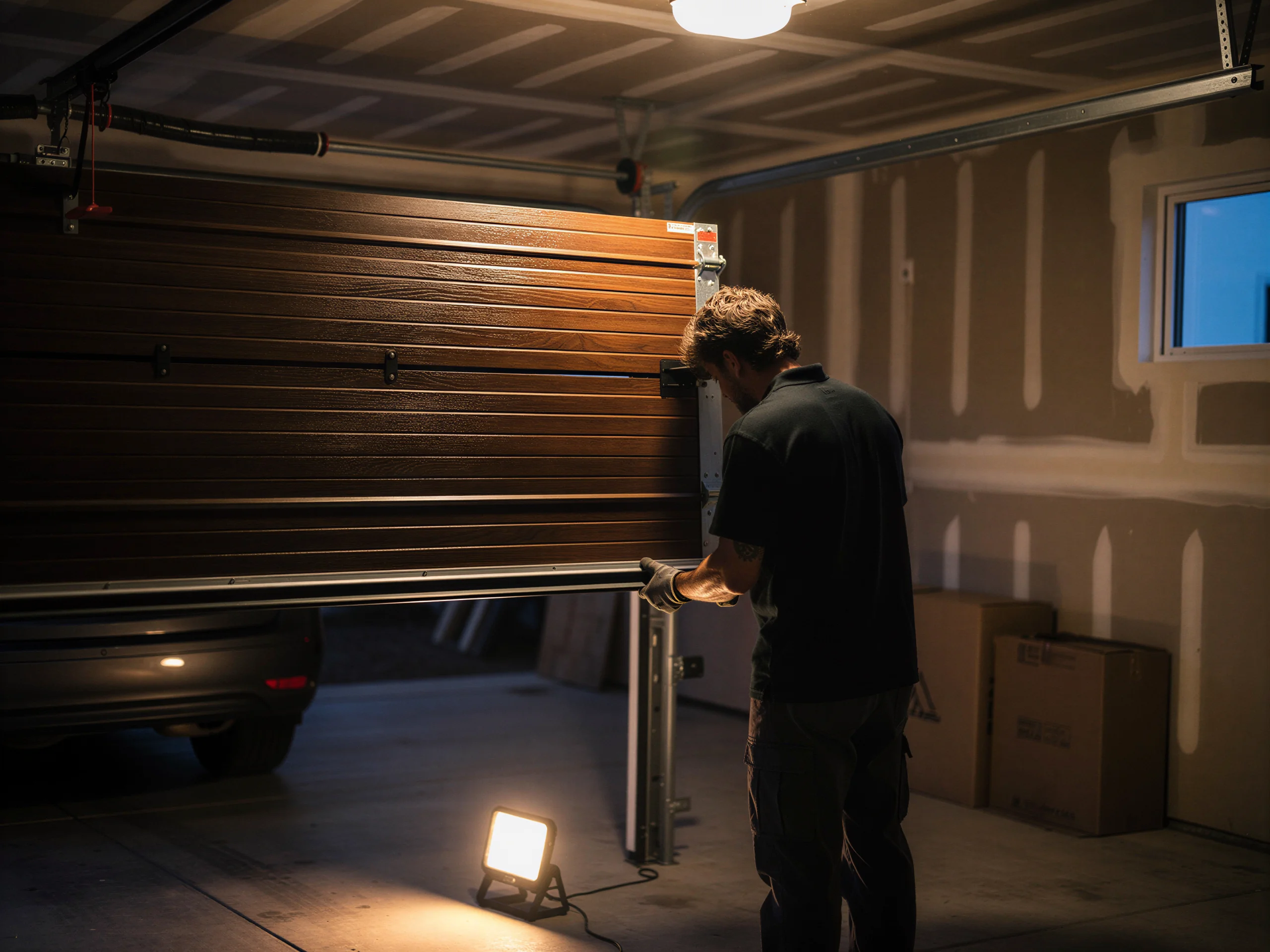
Disconnecting the opener and lifting the door by hand to check for a broken spring is safe and worth doing before you call anyone - it tells you fast whether this is a spring problem or a track problem.
Extension spring projectiles
Beyond that, we'd tell you to stop. A torsion spring under tension can put someone in the hospital, and extension springs without a containment cable (common on doors from this era) can fire across a garage if they let go while someone's working near them.
Winding cones need bars
Winding cones, cable tension, and anything involving the torsion bar are jobs that need the right bars and a clear understanding of spring wind direction - not a trip to the hardware store.
Check blink codes first
If the door just won't open and the opener light is blinking a code, check the manual for that code first; it's often a sensor alignment issue that takes two minutes to fix without tools.
How Long It Takes
Most spring replacements and cable jobs run under two hours once a truck is on-site with the right parts for the door's size and weight. Track realignment is faster if the track isn't bent badly enough to need replacing. The slower part is diagnosis on older hardware - a 1987-built door that's had partial repairs over the decades sometimes has mismatched parts from different eras, and sorting out what's original versus patched takes longer than the actual fix. We don't carry every spring size and every bracket style for every installation year on the truck at all times, so a job on an unusual or older setup can mean a part gets ordered rather than installed same-visit.
The Complications
University Park's households sit at a $250,001 median income, well above the broader service area's $145,297, and that shows up in what gets requested: full opener and hardware replacement instead of patching a 1987-era system, even when the repair would hold.
Panel job, not swap
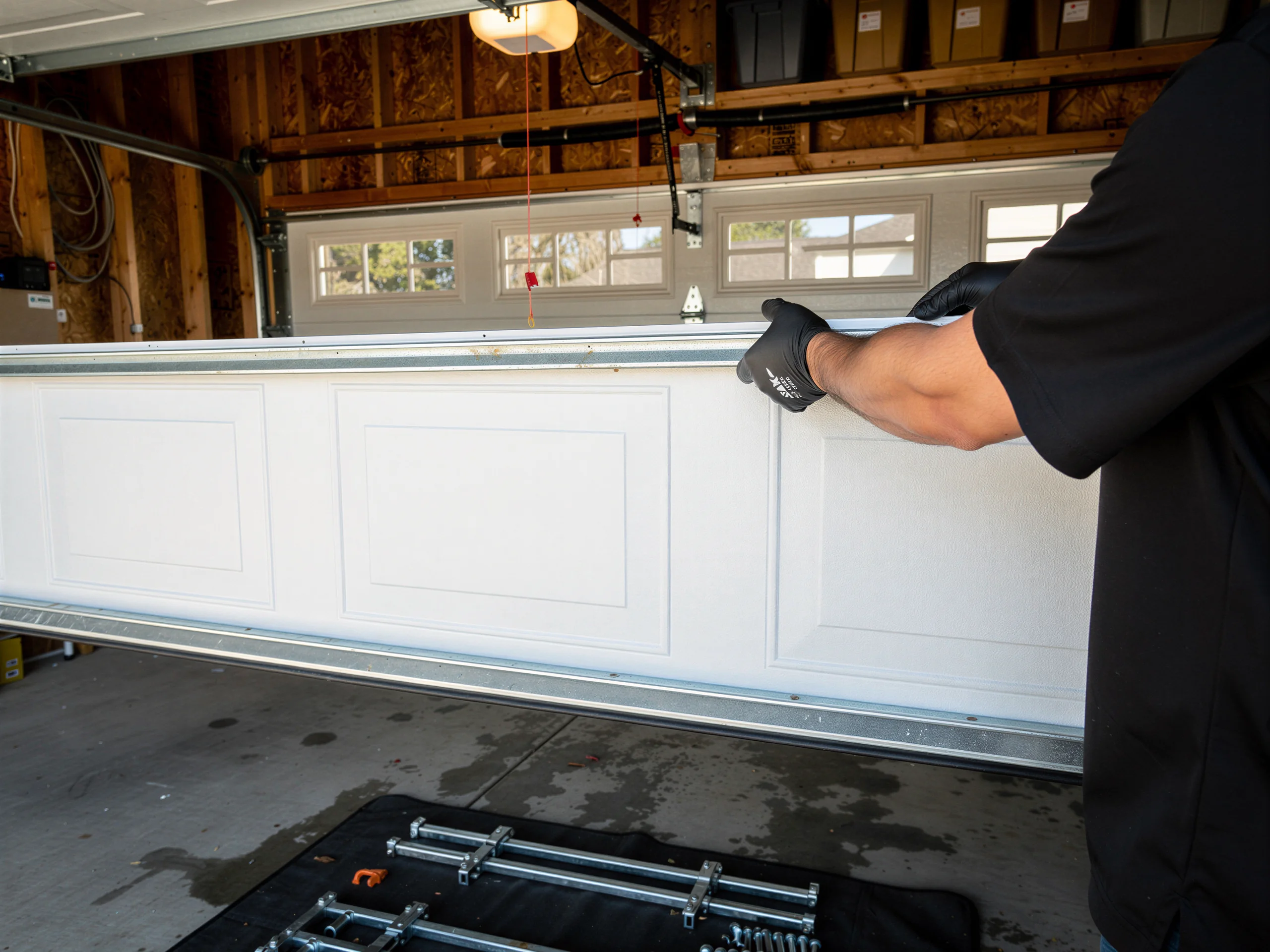
We'll tell you straight when a repair is the better call versus a full swap, and when it isn't - a cracked panel on an otherwise sound door is a panel job, not a door replacement.
Nylon ages in summers
The area's climate band runs moderate on heat, which is kinder to garage door hardware than a harsher climate would be, but it still means nylon rollers and weatherstripping degrade over enough summers, and that's a slow failure that often gets ignored until it's an emergency call.
Low-volume parts ordering
With 7,174 households in this suburb against the wider service area's 114,435, parts demand here is lower-volume, which is part of why an unusual bracket or spring size sometimes means an order rather than a same-day swap.
Talk to a local pro
Garage door service in Grapevine?
Same-day service with honest, upfront quotes.