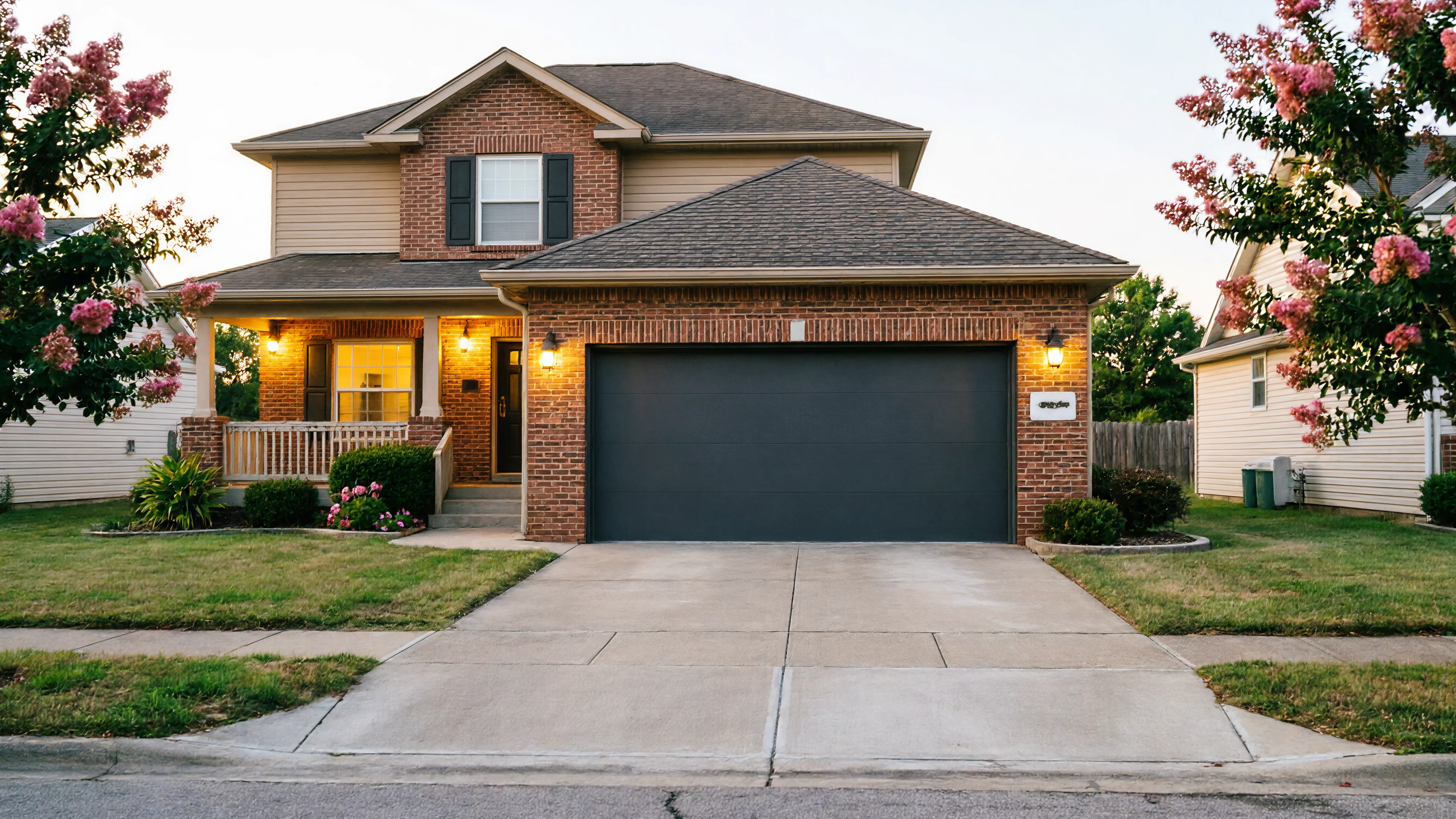
Why This Fails Locally
Most of our call volume across the wider service area comes from houses built between 1959 and 2014, with a median around 1999. University Park sits later than that - the typical home here went up around 1987, which puts it in a different hardware generation than a lot of the streets we cover. Doors from that era usually came with torsion springs factored for lighter sectional panels and openers that predate modern safety-reversal standards. The failure pattern we see is springs that have simply outlived their cycle count, and openers with gear sets that strip rather than jam. University Park is about 17 miles from our shop in Grapevine, which is a factor in how we schedule the day - we batch these calls rather than treating any one of them as a quick run.
What the Fix Involves
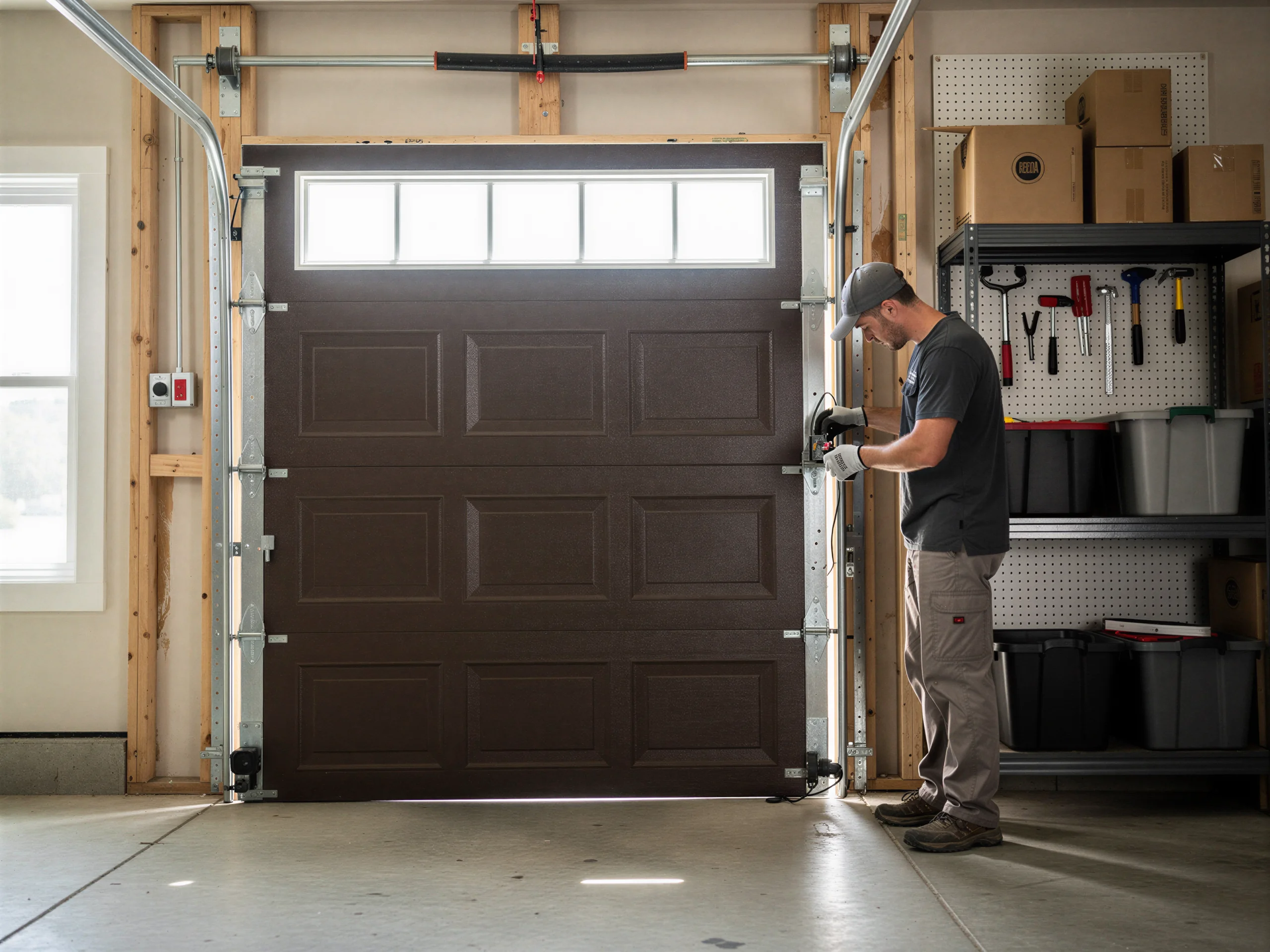
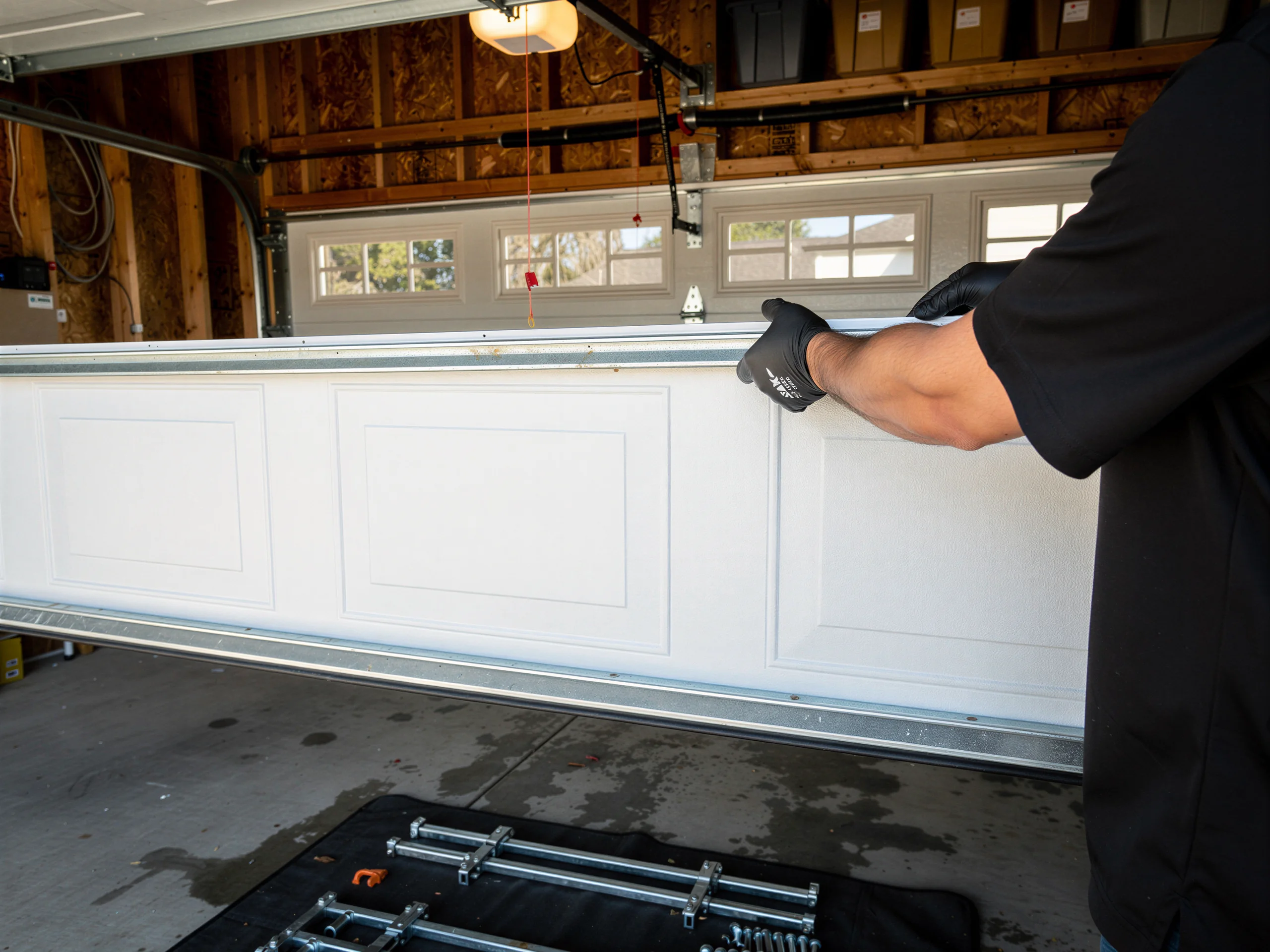
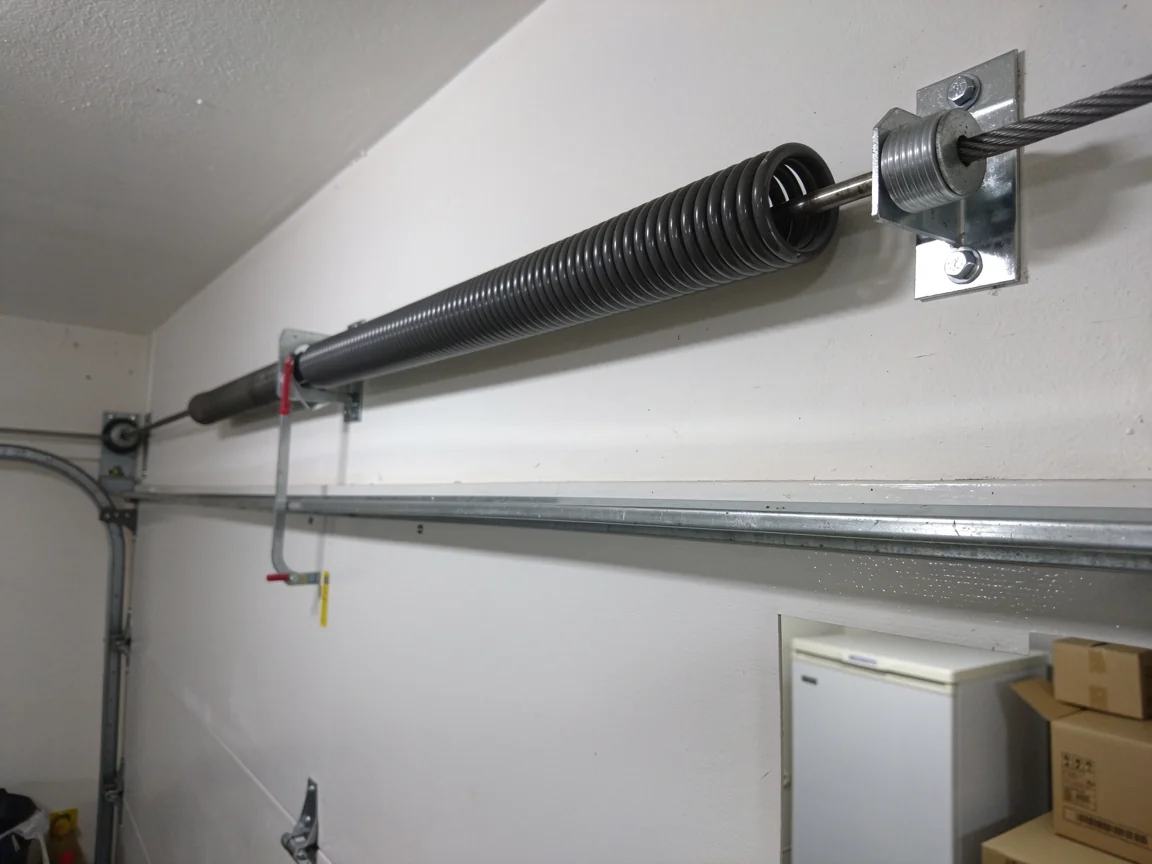
On a 1987-era door, the repair usually starts with the spring. We measure wire gauge and wind length against the actual door weight rather than assuming a stock size, because doors from this build period were specified to a now-outdated panel weight that newer insulated sections don't match if a homeowner upgraded panels at some point without upgrading the spring.
Capacitor before board
If the opener is original or close to it, we check the drive gear and the capacitor before we touch the logic board - a tired capacitor mimics a dead motor and gets people quoting a full opener swap they don't need.
Track reset over rollers
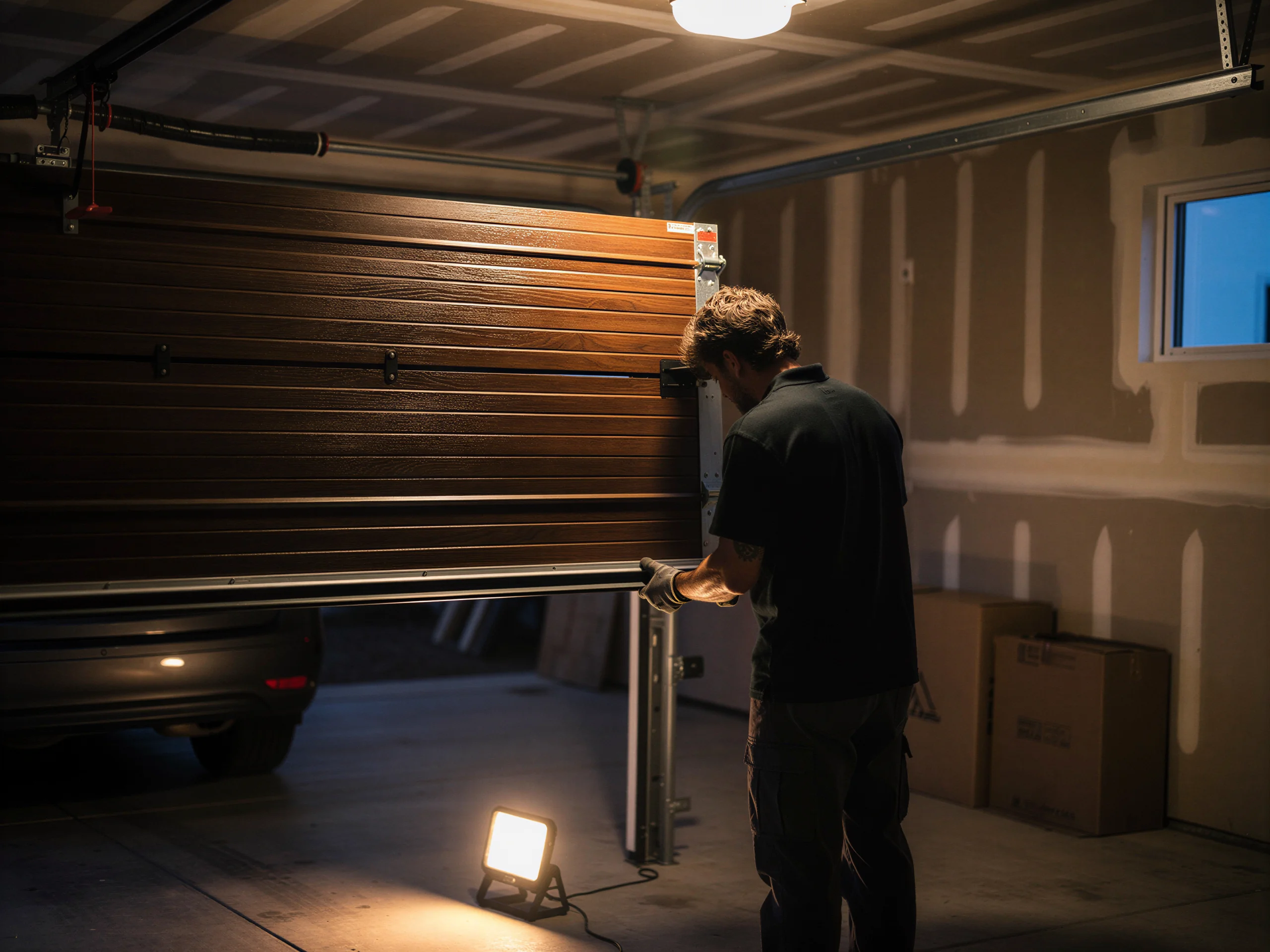
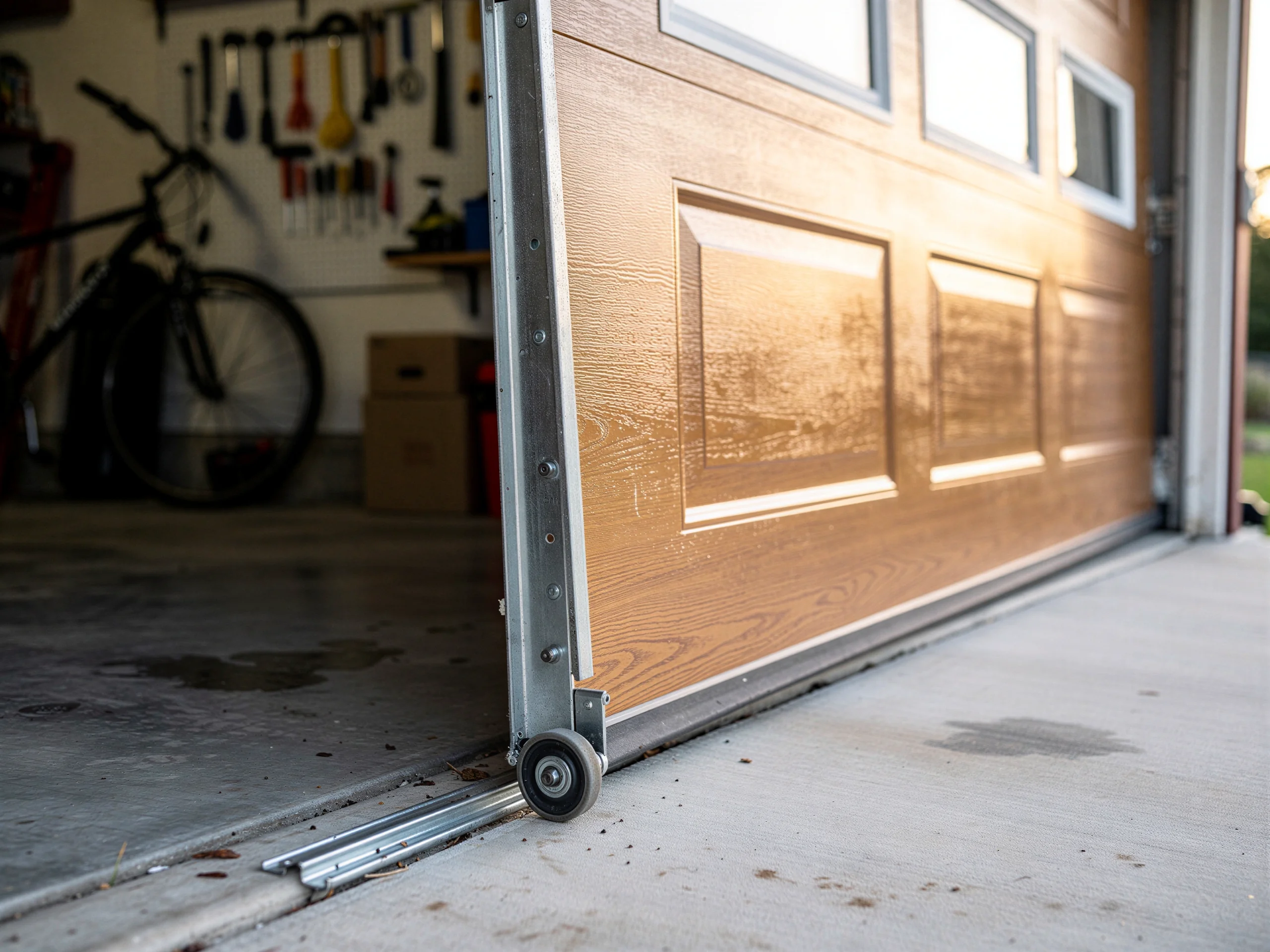
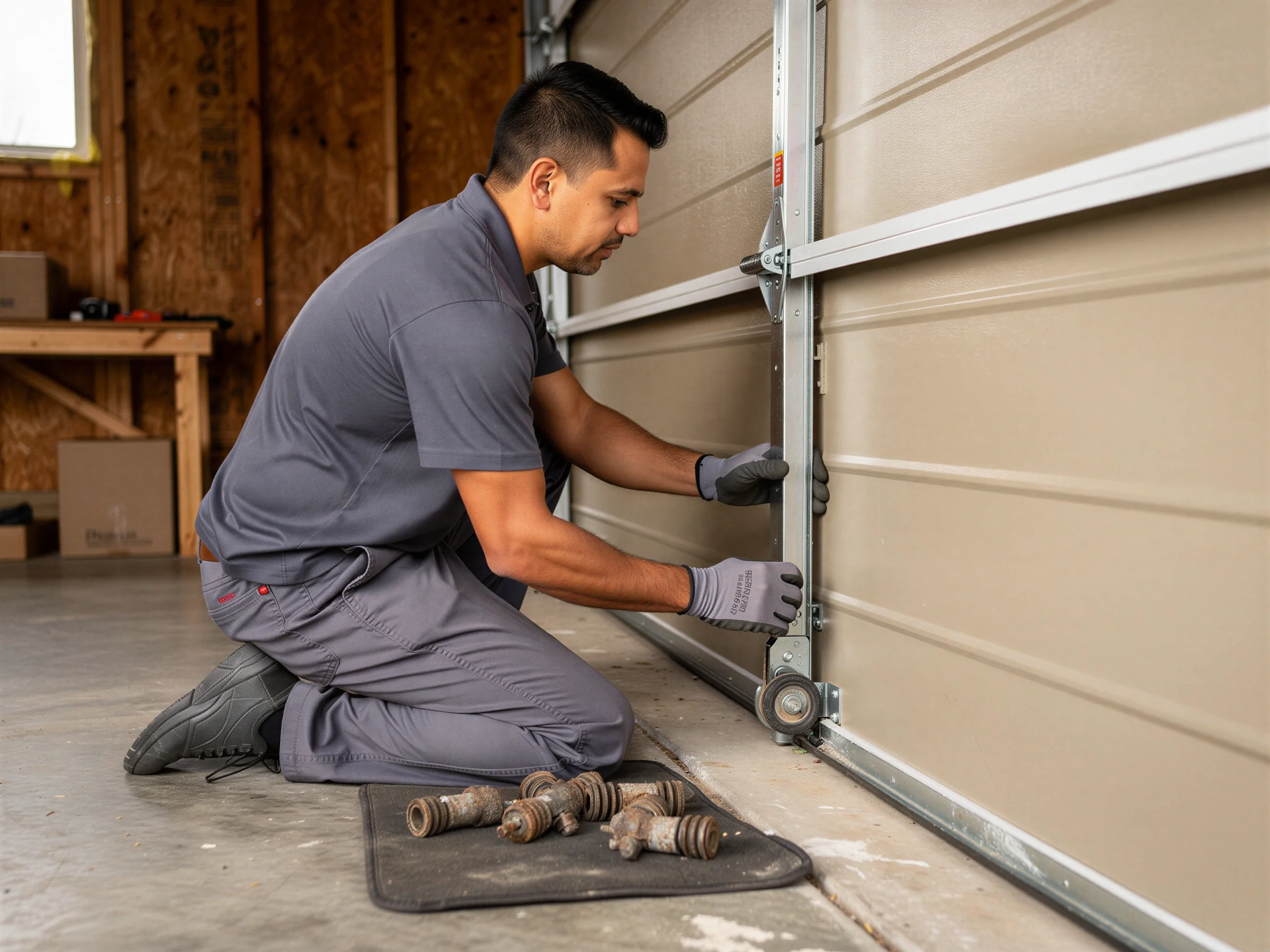
Track and roller wear is common at this age too; steel rollers on 35-year-old track often need the track reset, not replaced.
Doing It Yourself
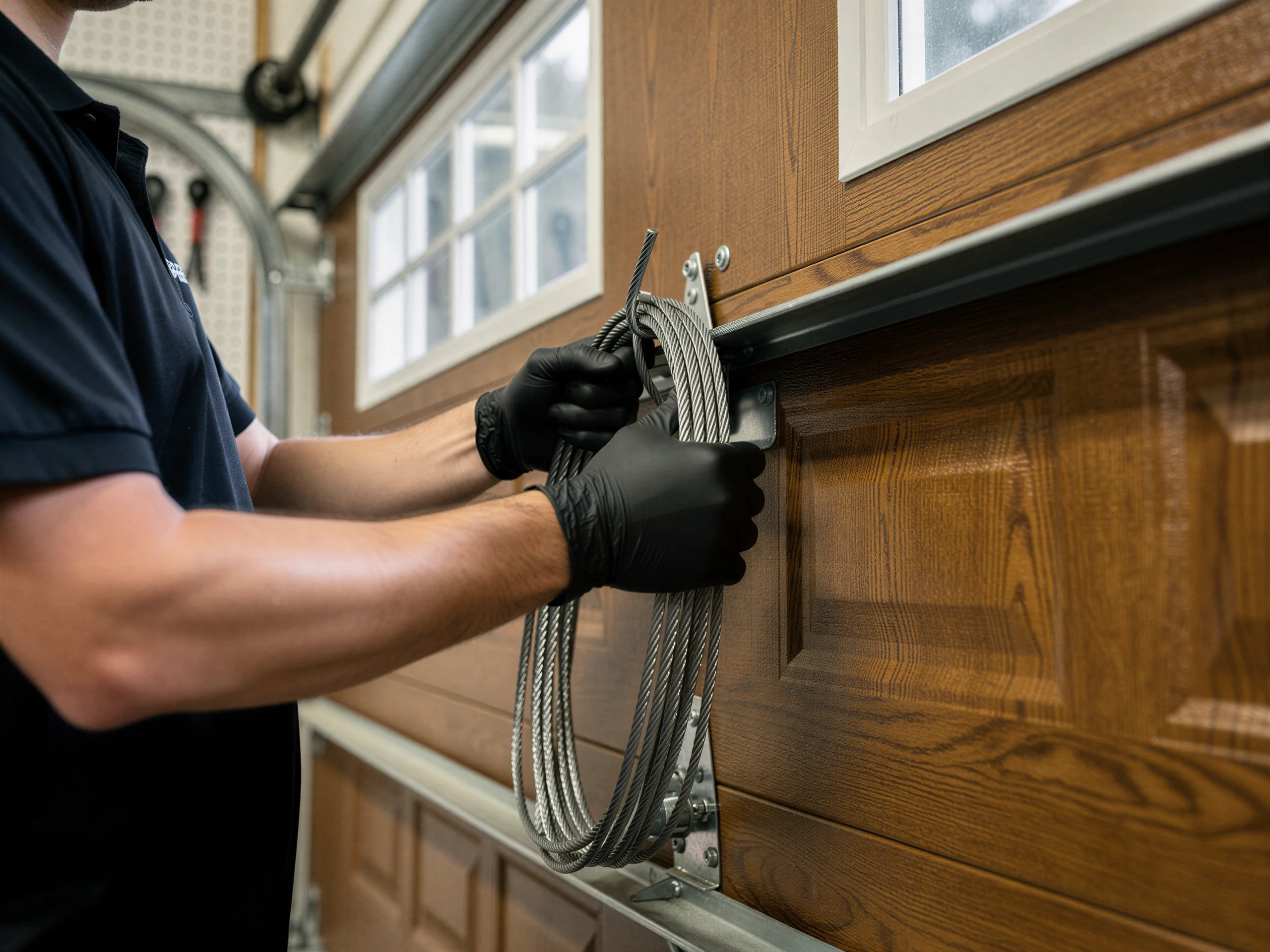
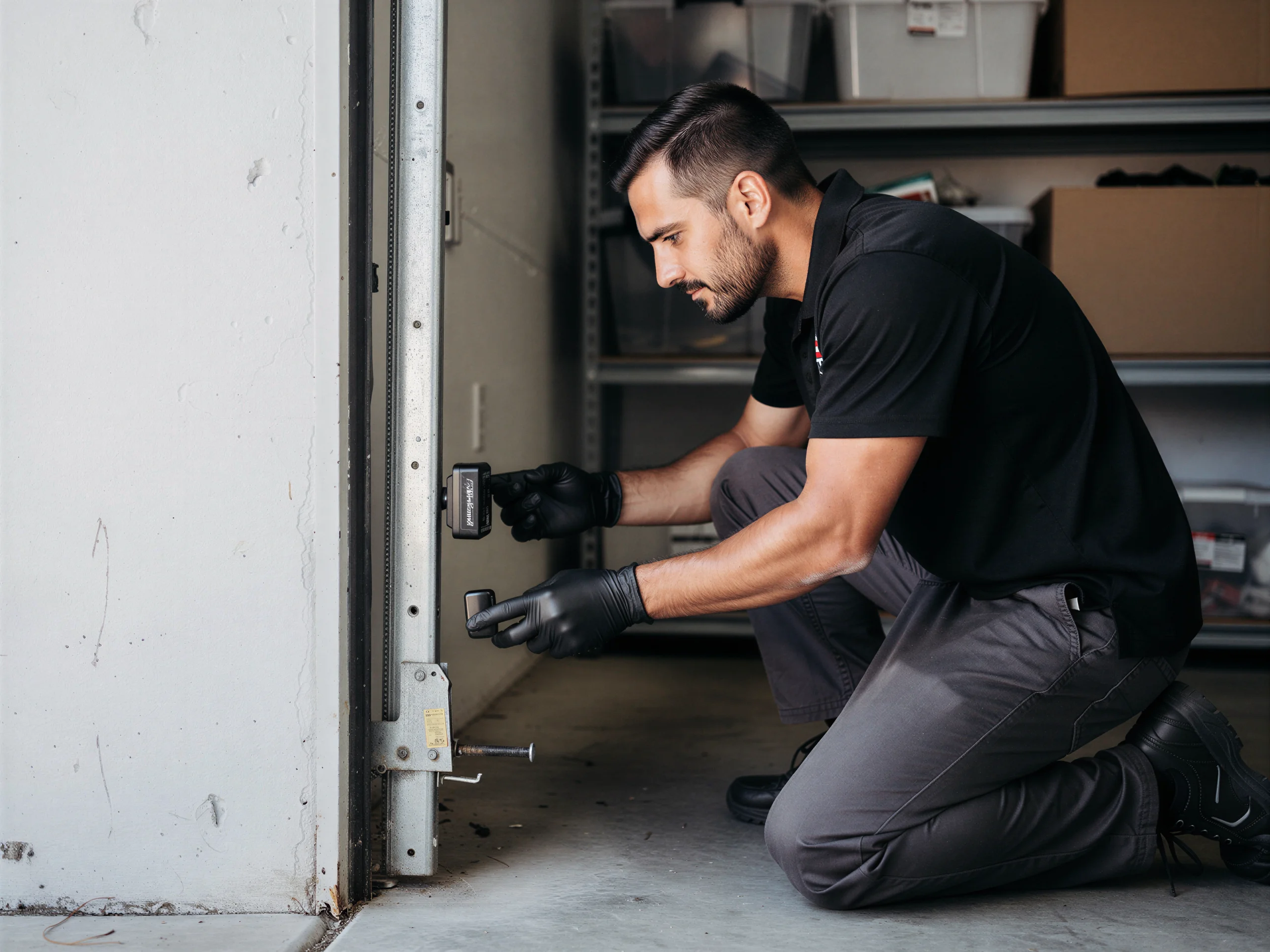
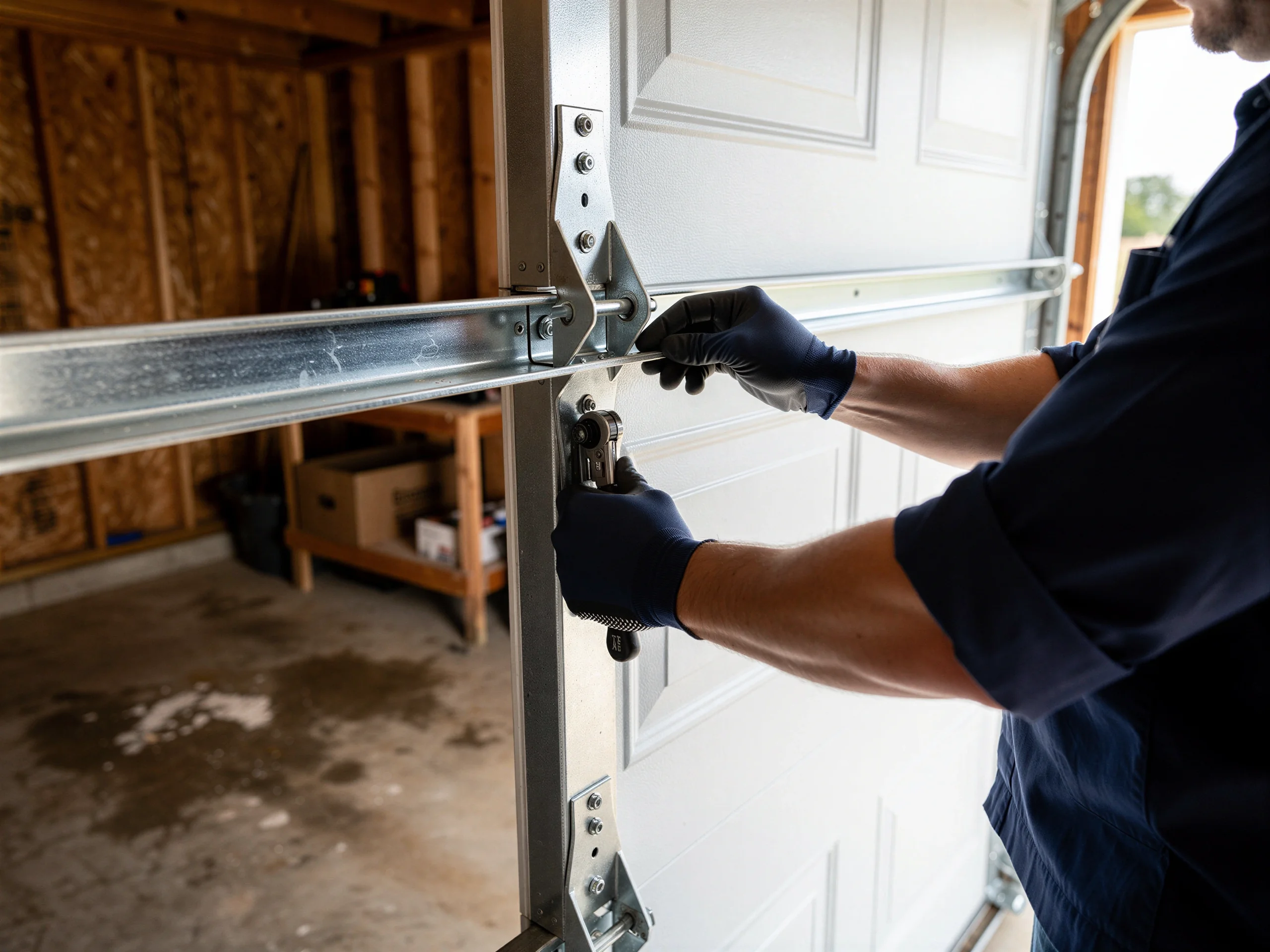
A torsion spring carries enough stored force to break a bone or worse, and that doesn't change because the house is nice. Cable replacement on a door this age is a two-person job minimum, and if the drum or bottom bracket has corroded, the whole setup can let go while you're mid-adjustment. We'll walk a homeowner through resetting opener travel limits or replacing a broken photo-eye sensor over the phone - those are low-risk and worth doing yourself. Spring tension, cable work, and anything involving the torsion bar: leave it. The honest limitation here is that we don't carry every obsolete opener control board on the truck, so a 1987 unit with a dead board sometimes means a parts order before we can finish, not a same-visit fix.
How Long It Takes
Spring replacement on a standard double door runs about the same regardless of neighborhood, once we're on site.
Book ahead for travel
What takes longer from University Park is the travel - at 17 miles from Grapevine, we're not treating it as a drop-in between closer jobs, so we ask homeowners here to book rather than expect a same-hour arrival. If the opener needs a board we don't stock, that adds a return trip once the part comes in.
Fewer deferred repairs
A household income median above $250,000 here doesn't change the mechanics of the repair, but it does mean we see fewer deferred-maintenance calls - people tend to fix a noisy door before it becomes a dead one, which keeps most of these visits to a single trip.
The Complications
With roughly 7,174 households in University Park, it's a smaller pocket than some of the areas we cover, and that shows up in one specific way: openers here are more likely to be original to the house than replaced mid-life, which means control boards and remote frequencies that current universal remotes don't always pair with on the first try. We also see more double-wide doors with a single central opener carrying more load than it was built for, which shortens gear life. None of that is unique to one street - we don't have landmark-level detail for this area - but it's consistent enough across 1987-built housing stock that we plan the job around it before we ever pull a cover panel.
Talk to a local pro
Garage door service in Grapevine?
Same-day service with honest, upfront quotes.