Why This Fails Locally
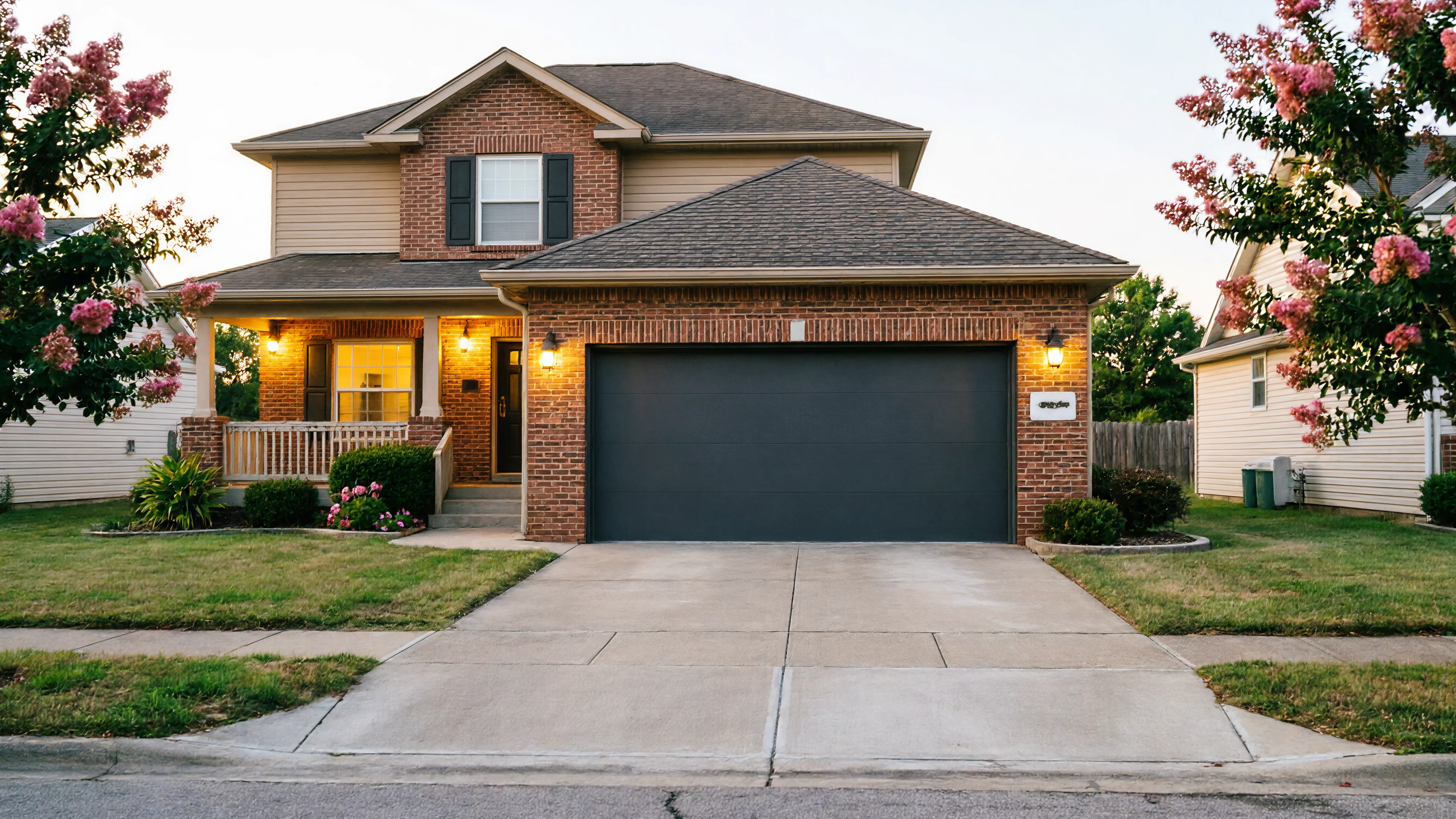
University Park runs about 7,174 households, small enough that we don't see the same panel fault over and over the way we might across a bigger stretch of the service area. What we do see tracks the build era. Most houses here went up around 1987, which puts them in that 1980s-90s construction wave that shows up across two dozen communities we cover out of Grapevine. That means steel sectional doors with a foam core sandwiched between two thin steel skins - not the heavier insulated doors you'd see on anything built after 2000. Thirty-some years of Texas heat cycling that steel expands and contracts the panel seams, and the foam bond starts to let go at the corners first. A bowed bottom panel from a car bumper tap, or a cracked top panel where a basketball's hit it for a decade, is the common call here. Because household counts are modest, we're not running parts trucks to this town daily - we schedule panel jobs from Grapevine, which means matching the right panel profile matters more than guessing at a universal fix.
What the Fix Involves
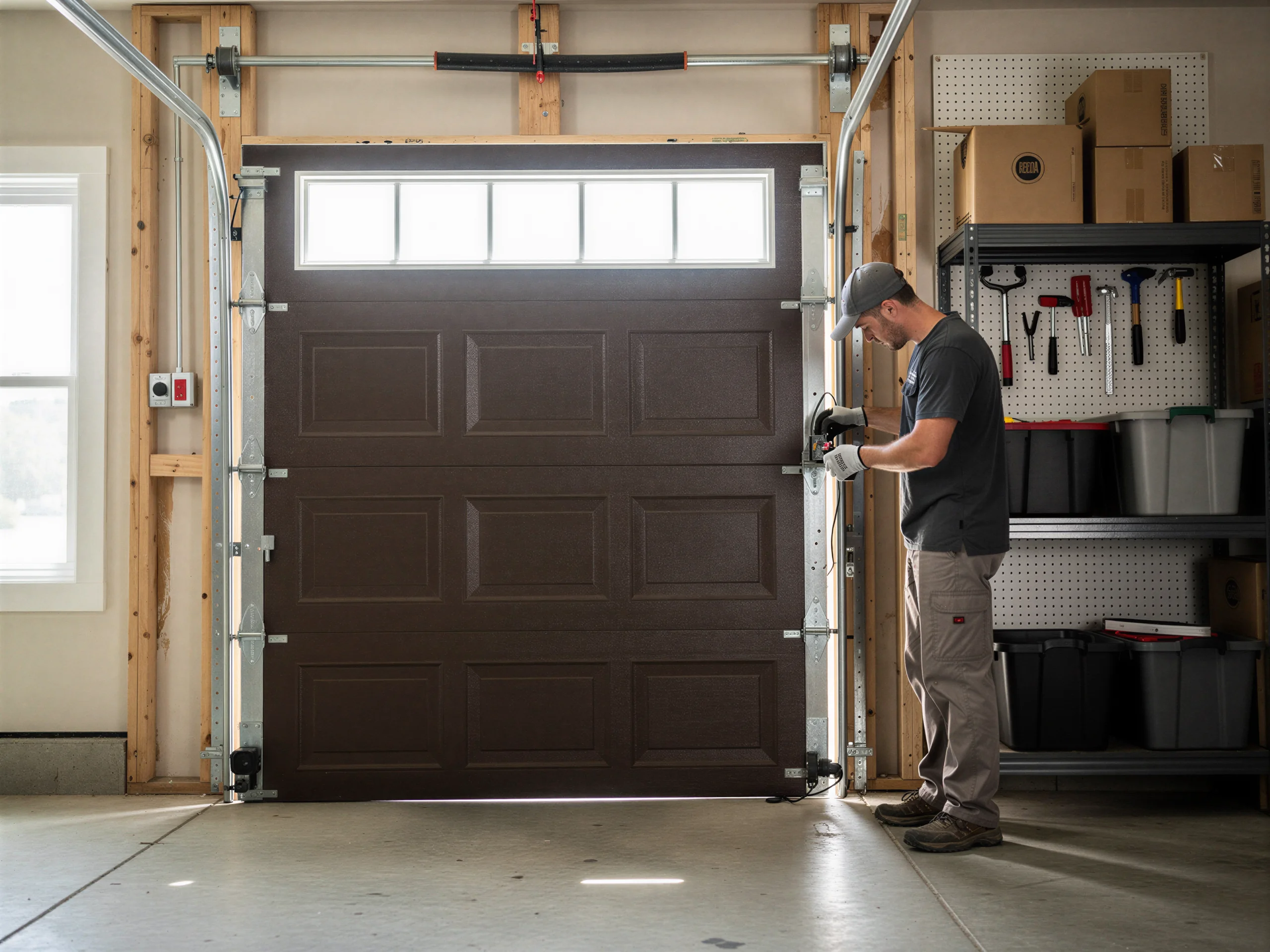
First step is matching the panel - not just height and width, but the rib profile and the color, since a single swapped panel on a 1987-era door next to three faded original panels looks worse than the dent did.
Measure then swap panel
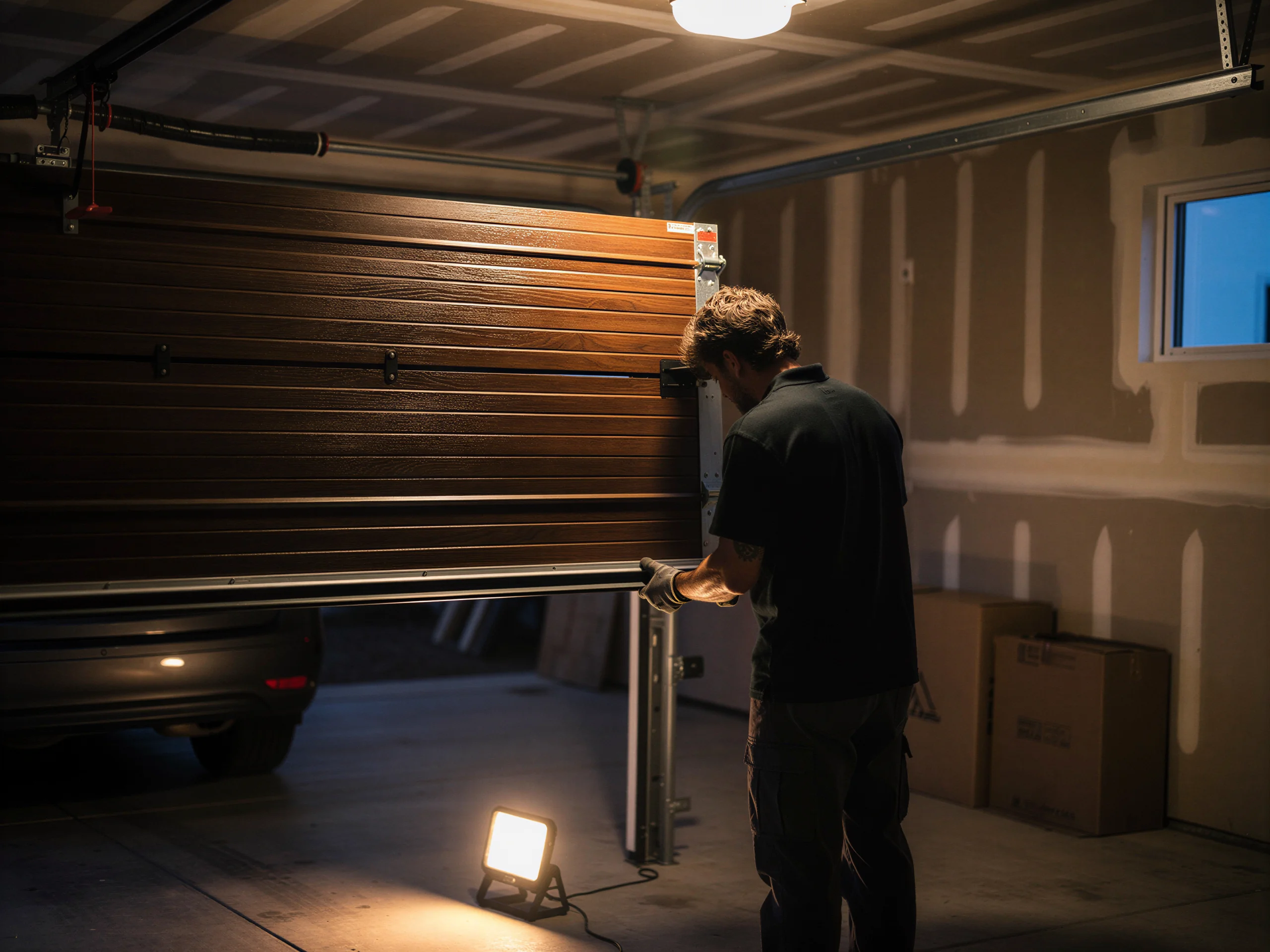
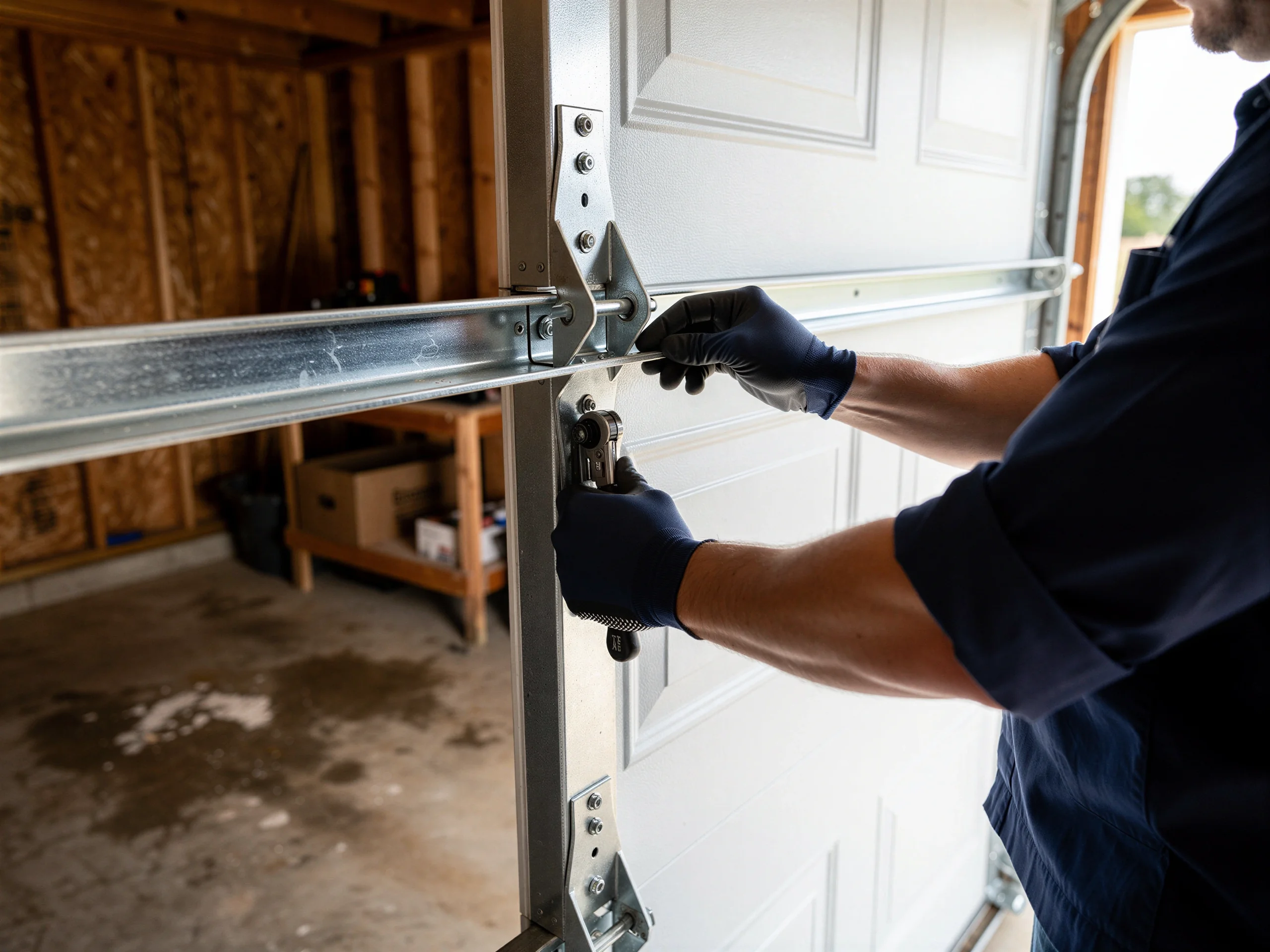
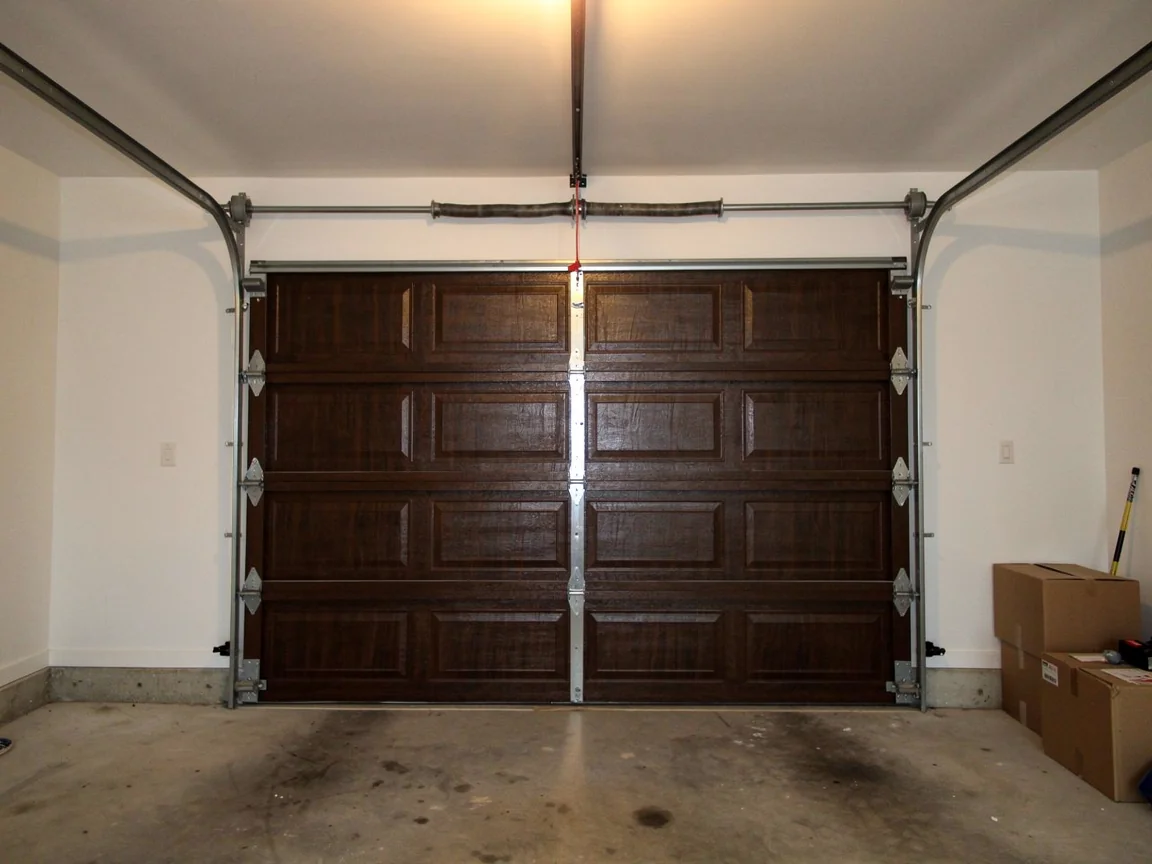
We measure the section, pull the stile hinges on either side of the damaged panel, and swap it without touching the rest of the door if the track alignment is sound. On these older sectional doors the panel often isn't a bolt-in standard size anymore - manufacturers changed profiles over the decades, so we're sometimes sourcing a compatible match rather than an exact OEM replacement.
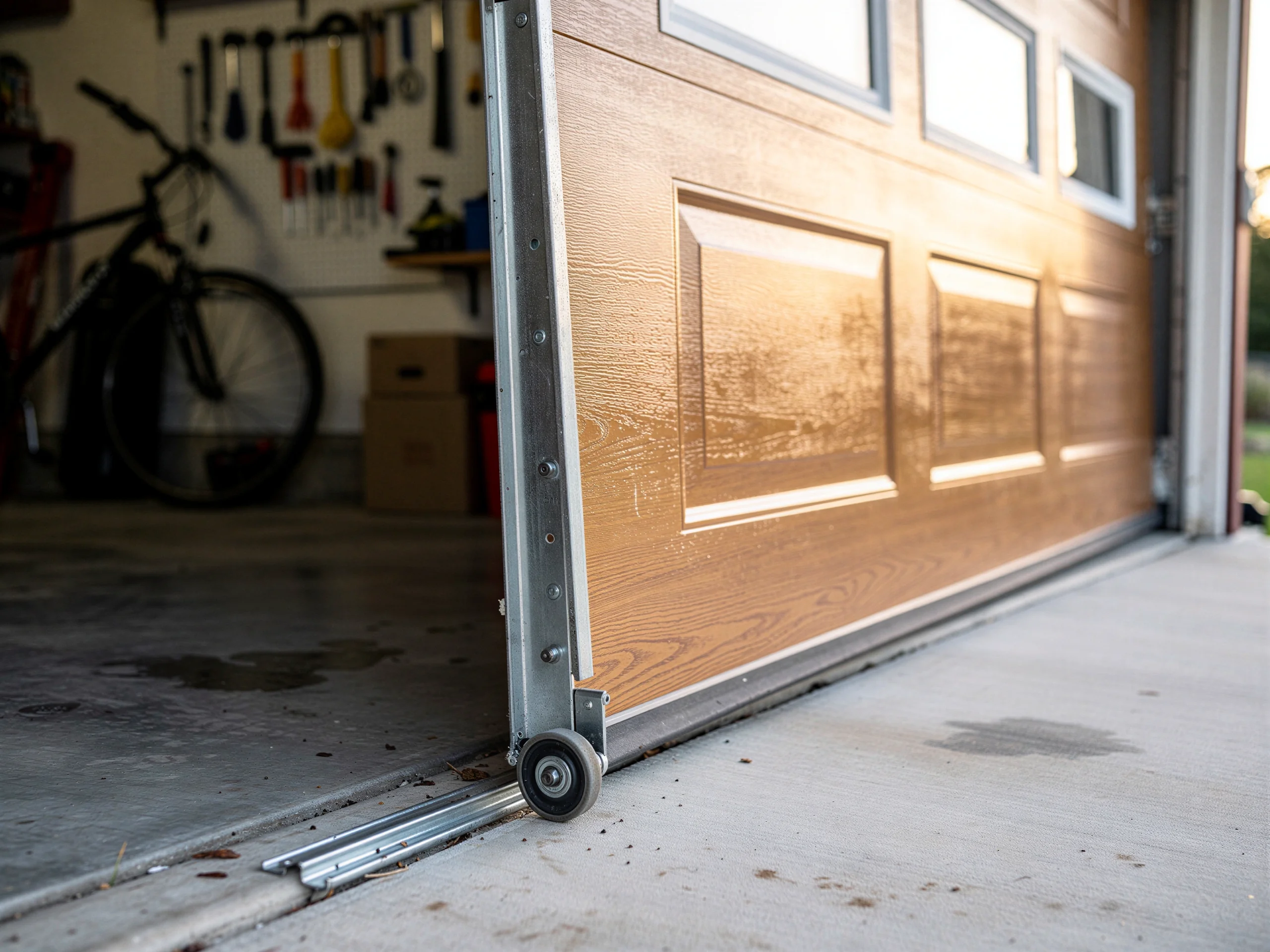
Astragal seal check
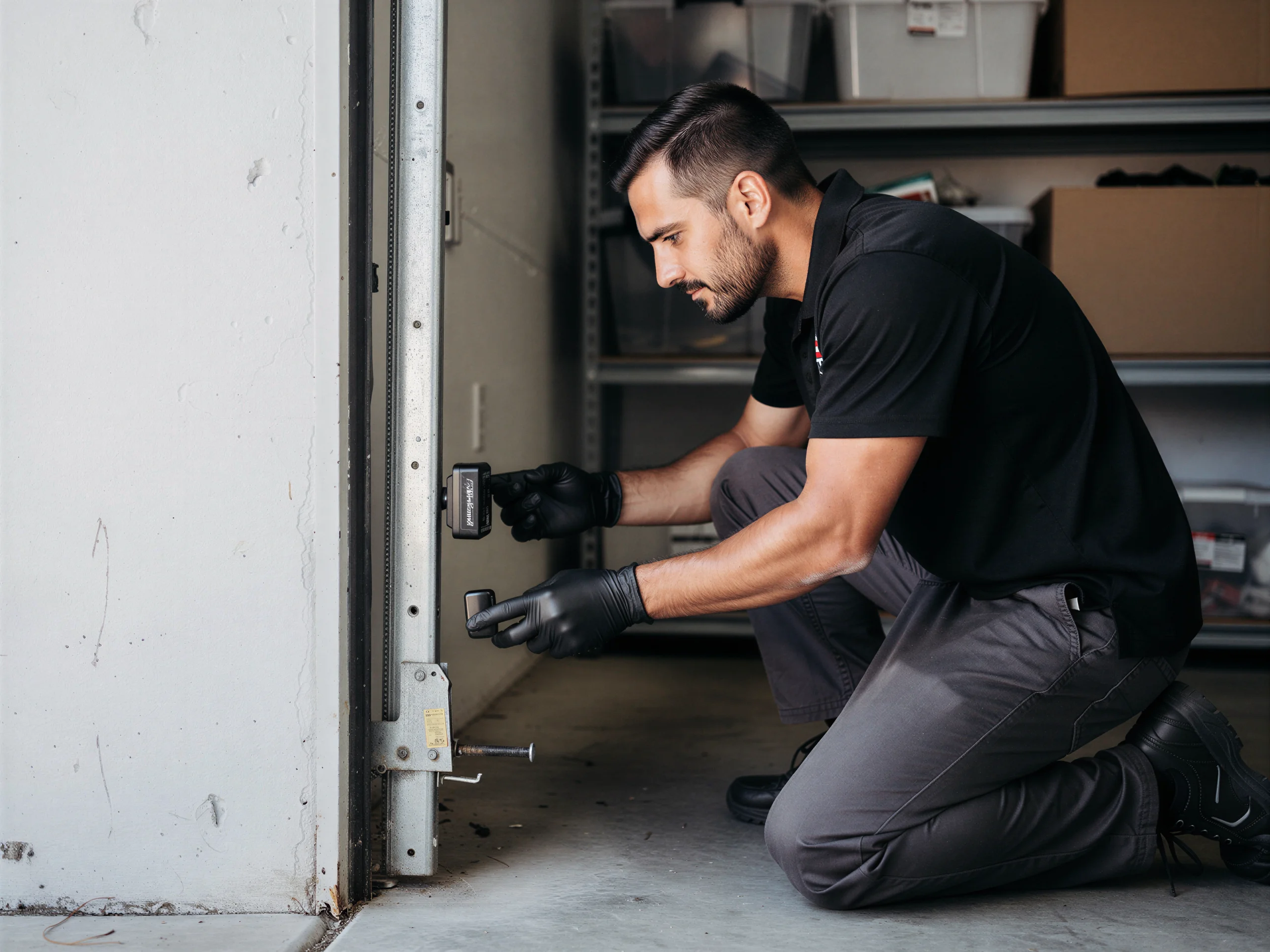
If the bottom panel's gone, we also check the astragal seal and the bottom bracket, since that's where cable tension lives and a bent bracket will eat a new panel just as fast as it ate the old one.
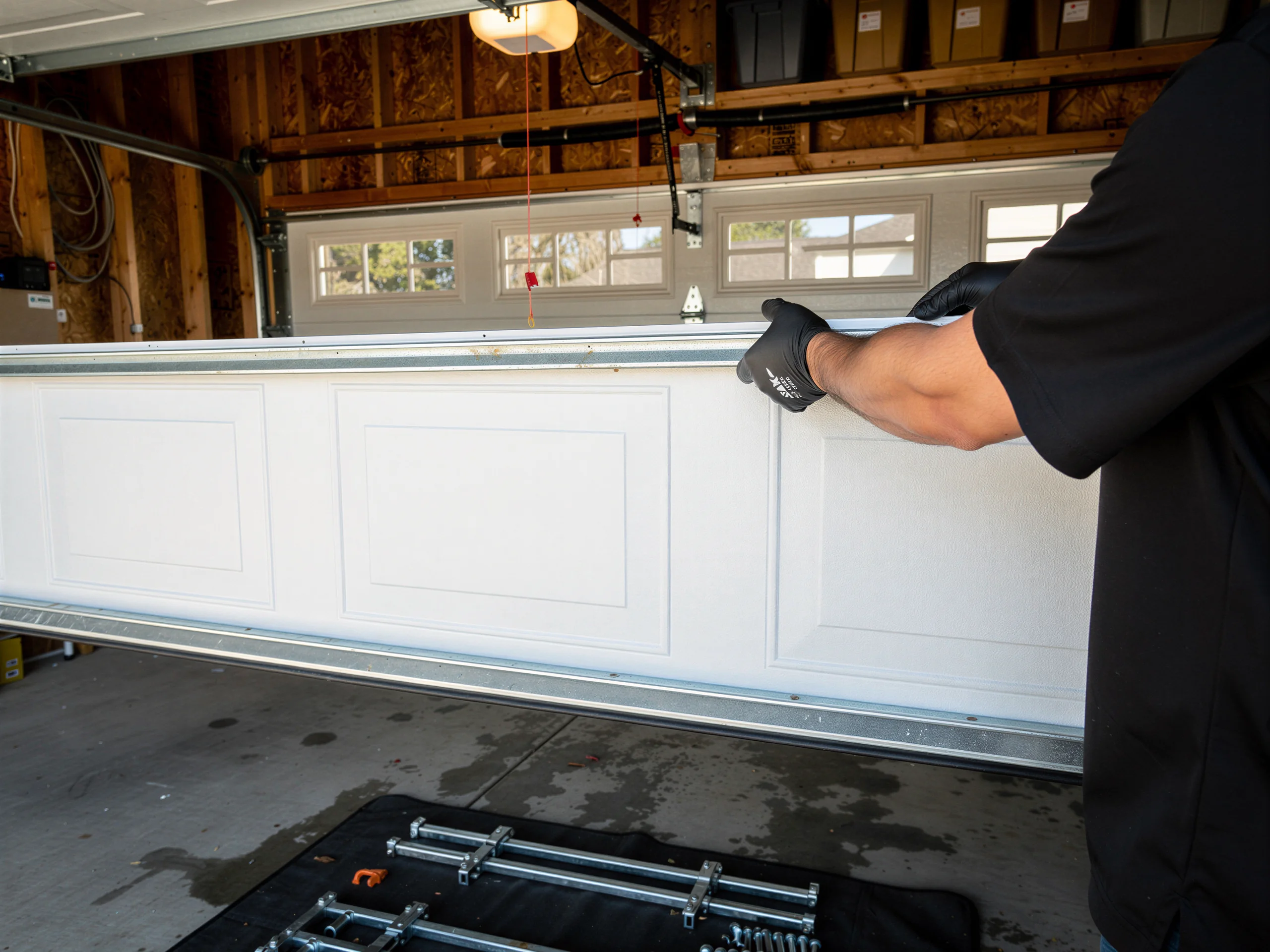
Full-set color matching
For income levels like University Park's median near $250,001, we see more requests for a full-panel-set color match on one job rather than a single patch panel, since owners would rather do it once and have it look right.
Doing It Yourself
A single panel swap is within reach for someone comfortable with a drill and a ladder, provided the door is off its springs when you start - meaning the opener disconnected and the door manually held open or blocked.
Hinge bolt shift risk
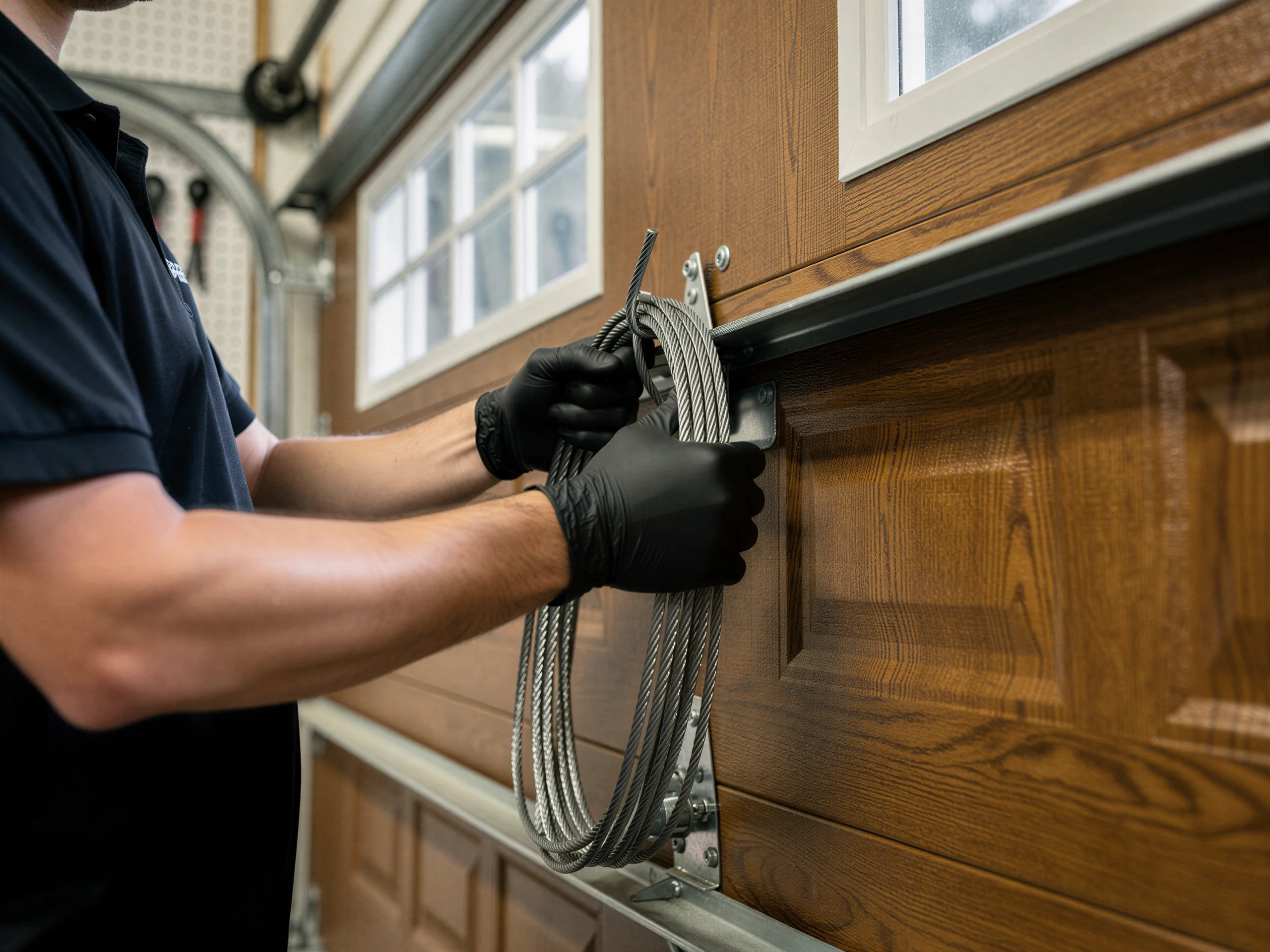
The risk isn't the panel, it's the hinges and the track. Pull the wrong hinge bolt on a loaded section and the panel above can shift and bind the rollers in the track, which turns a panel job into a track-alignment job.
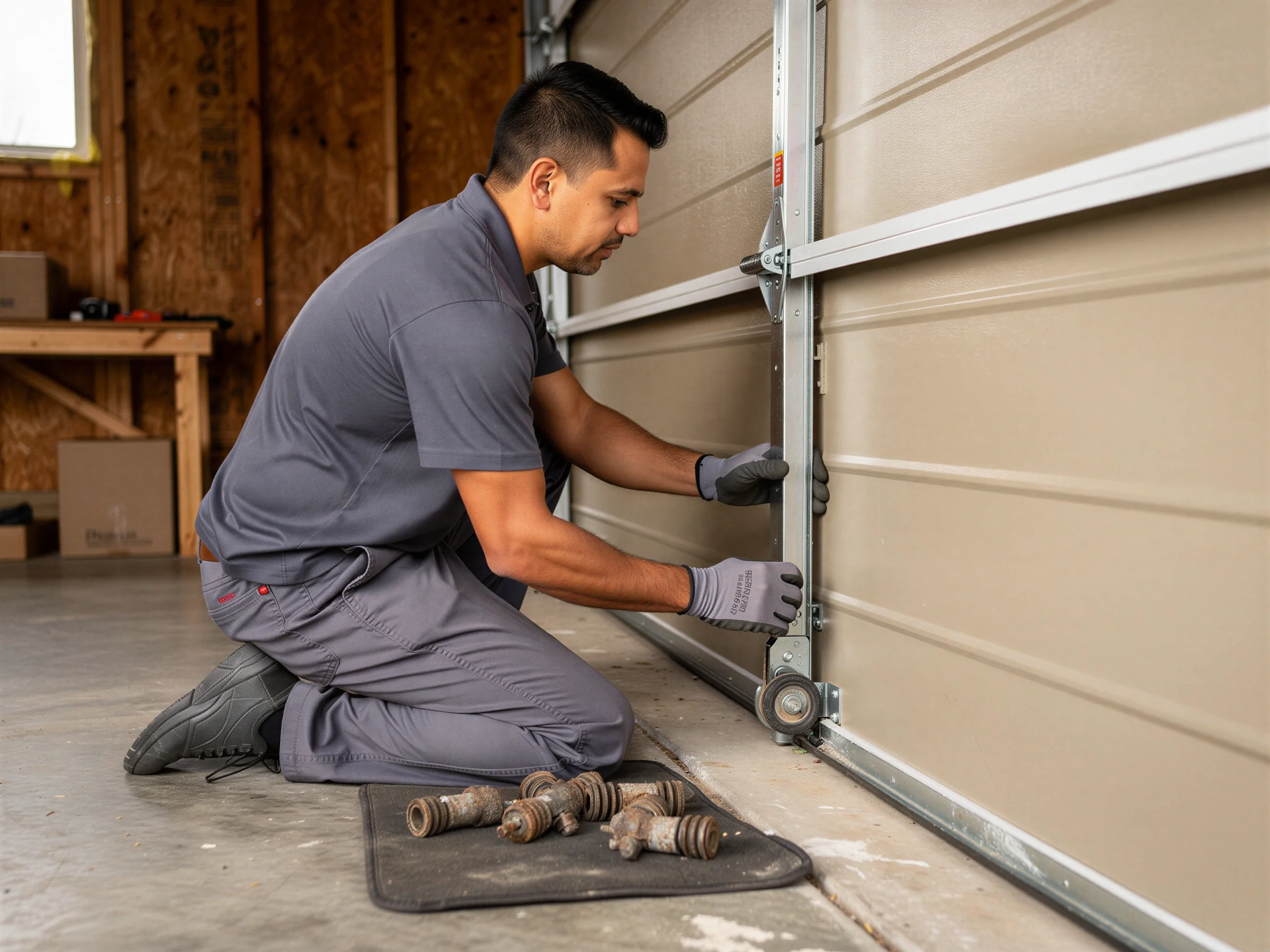
Corroded hinge bolts
On a 1987-era door, hardware corrosion at the hinge bolts is common enough from decades of heat that a bolt can shear instead of back out. If that happens on a top panel near the spring side, stop - that's not a DIY recovery anymore, that's a call.
No phone panel walkthrough
We're honest that we won't talk a homeowner through pulling a panel adjacent to a wound torsion spring over the phone; the risk of a bind-up injury isn't worth saving a service call.
How Long It Takes
A straight single-panel swap where we're carrying a matching panel on the truck runs under two hours once we're on site. Where it slows down is sourcing: because University Park's housing stock sits in that 1980s-90s build window shared with a number of nearby communities, panel profiles aren't always a shelf item, and matching color and rib pattern on an older door can mean a short lead time waiting on the part before we schedule the visit. We drive the 17 miles out from Grapevine for the job itself, so the appointment is scheduled rather than a same-hour walk-up, and we try to confirm panel match before the truck rolls so we're not making a second trip for the wrong profile.
The Complications
The complication we run into most in this town isn't the panel - it's matching it. A door built in 1987 may have gone through one or two prior partial repairs already, and we've opened doors where no two sections are quite the same shade anymore from accumulated UV fade. If your panel order doesn't match close enough, we'll say so before we install it rather than let you discover it in daylight. Heat matters here too: Texas's moderate-to-high heat band means the foam-core bond in these older panels has had thirty-plus years of thermal cycling, so a panel that looks fine in the garage can be more brittle at the seams than it appears, and adjacent panels sometimes need re-securing even when they weren't the one that got hit. We'd rather flag a second panel that needs attention now than have you call back in a month.
Talk to a local pro
Garage door service in Grapevine?
Same-day service with honest, upfront quotes.