Why This Fails Locally
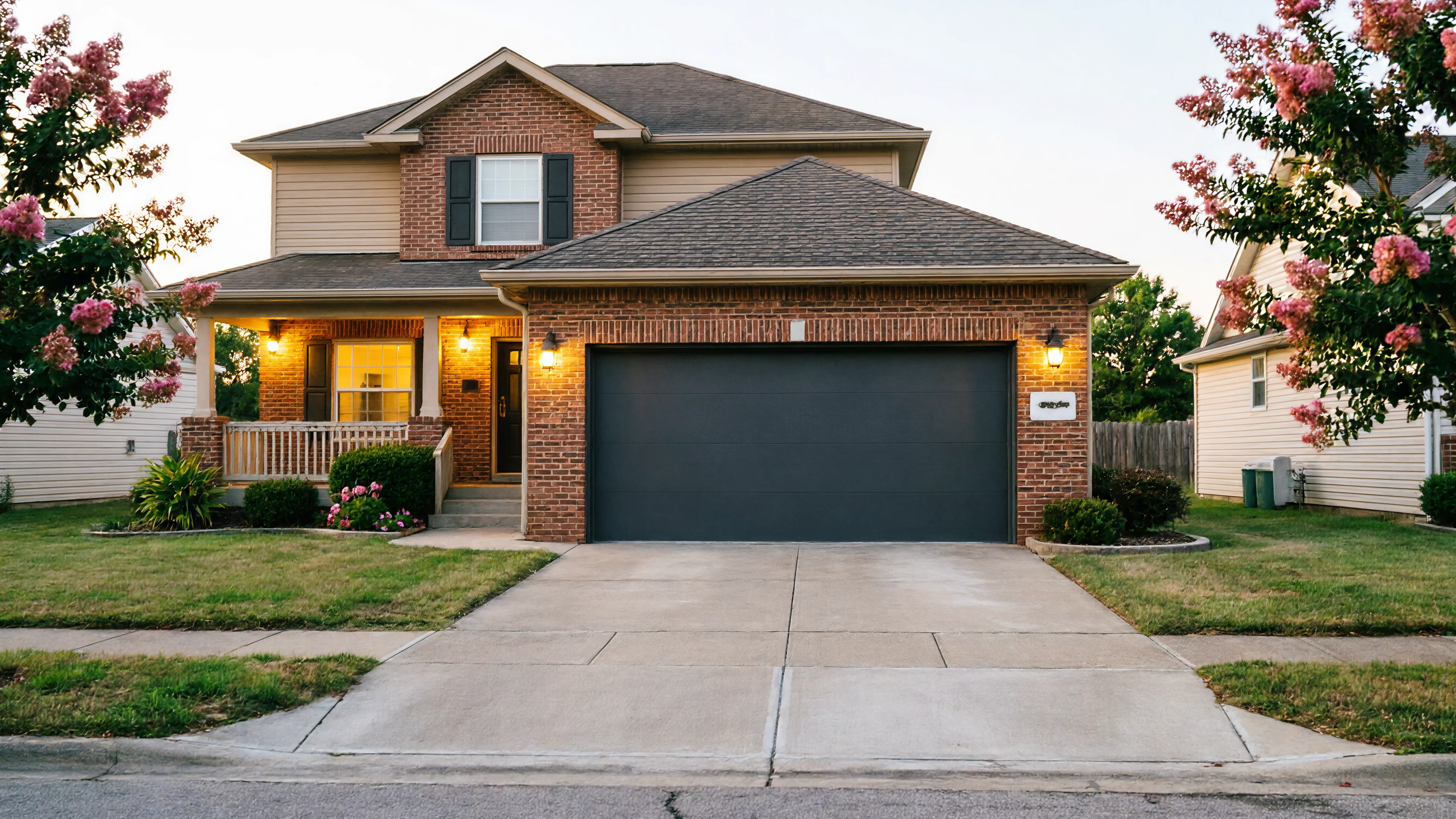
The call we get most out of University Park is a spring that let go on a door that still looks fine from the driveway. That's not a coincidence. Most of this neighborhood's housing stock went up around 1987, which means the original torsion springs - rated for roughly 10,000 cycles - are long past where they should've been swapped out, even on doors that have never had an obvious problem. The steel fatigues whether or not anyone's paying attention to it.
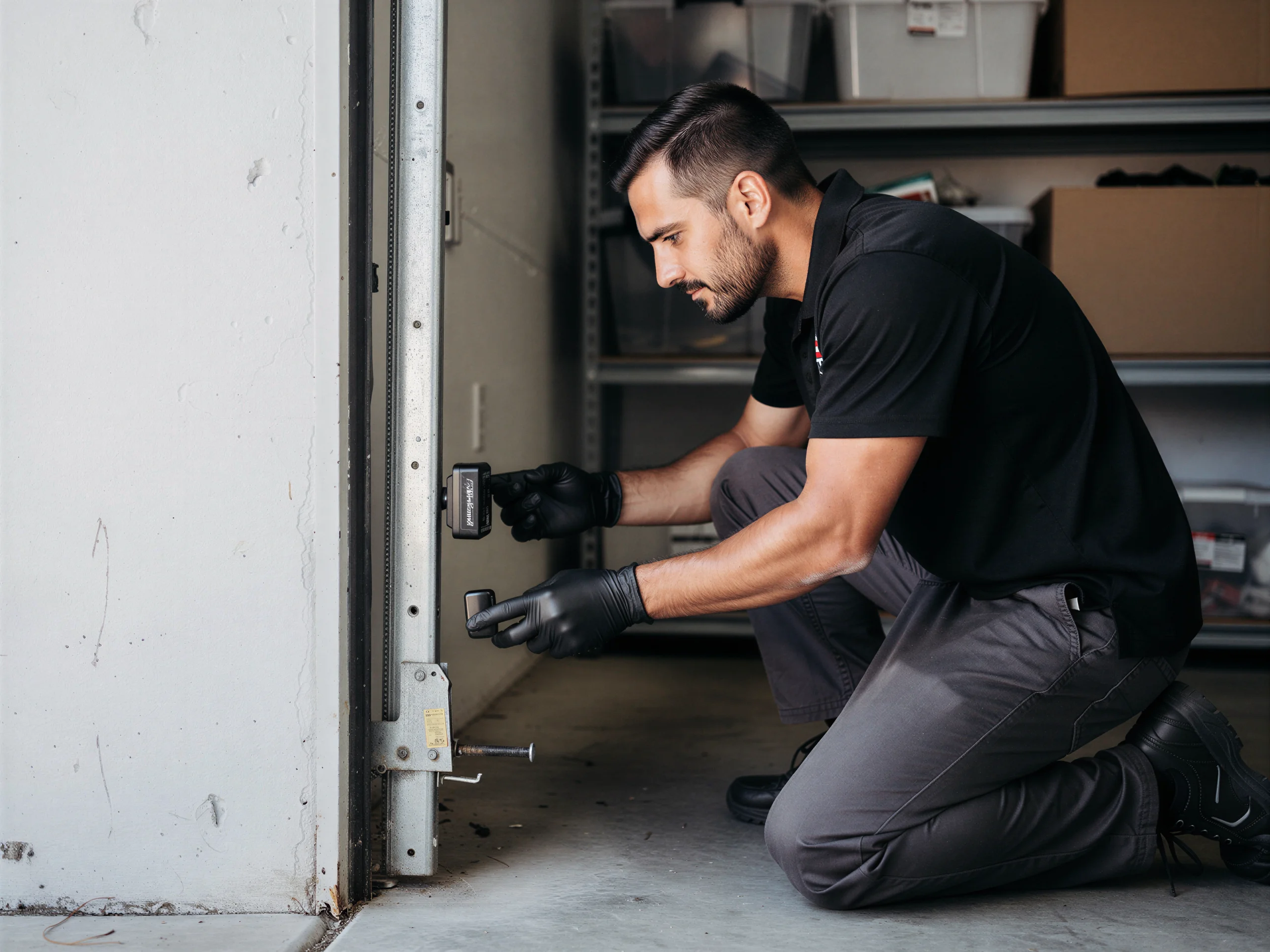
Openers from that build era are the other half of the problem. A lot of them are chain-drive units with worn gear sets, and the safety reversal sensors either weren't required when they went in or have degraded past usefulness. When a spring breaks on a door with a tired opener, the opener tries to force the door anyway and burns out the motor or strips the gear - turning a $200 spring job into a full opener replacement. The fix has to account for both pieces, not just the one that failed first.
What the Fix Involves
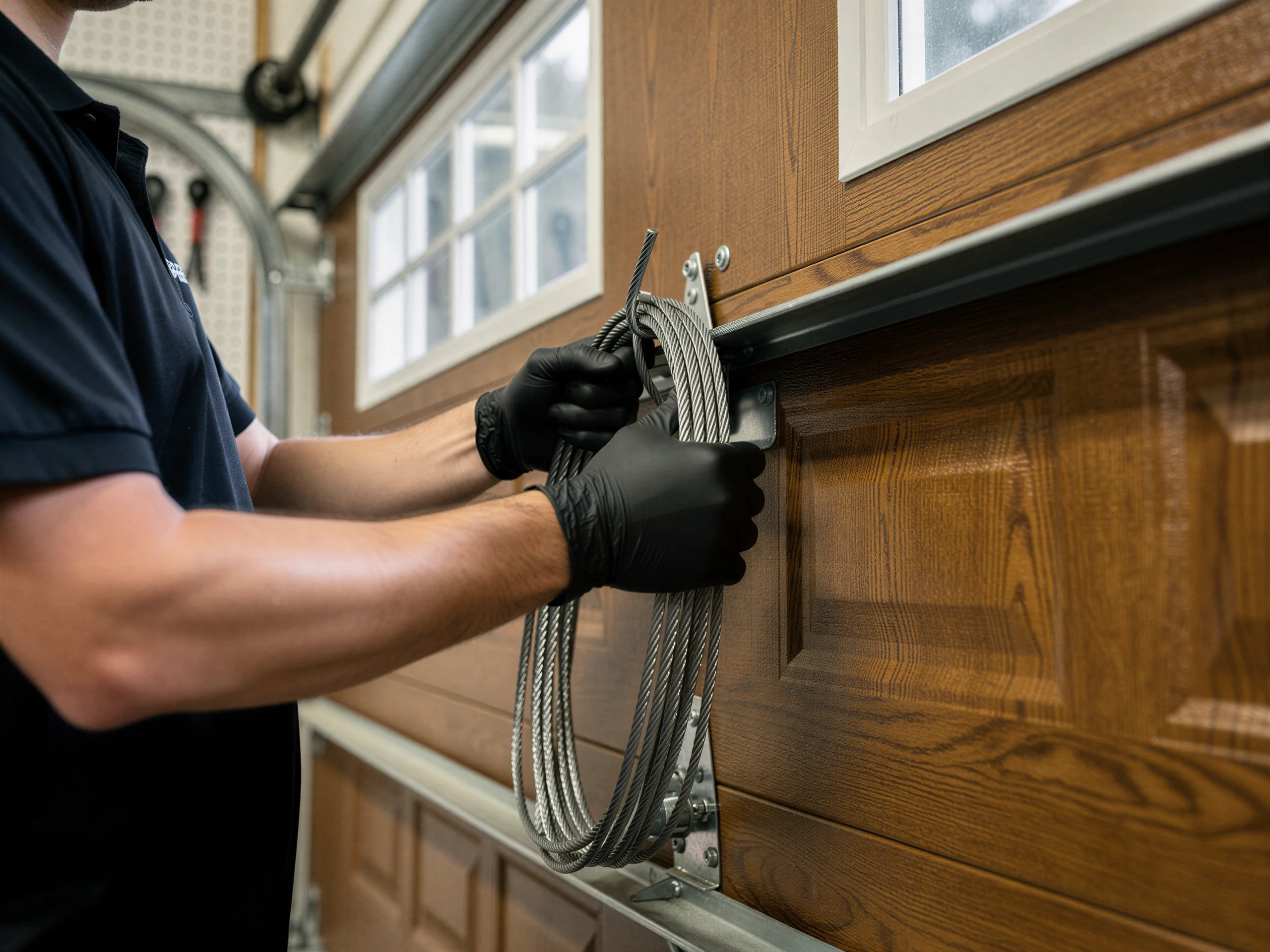
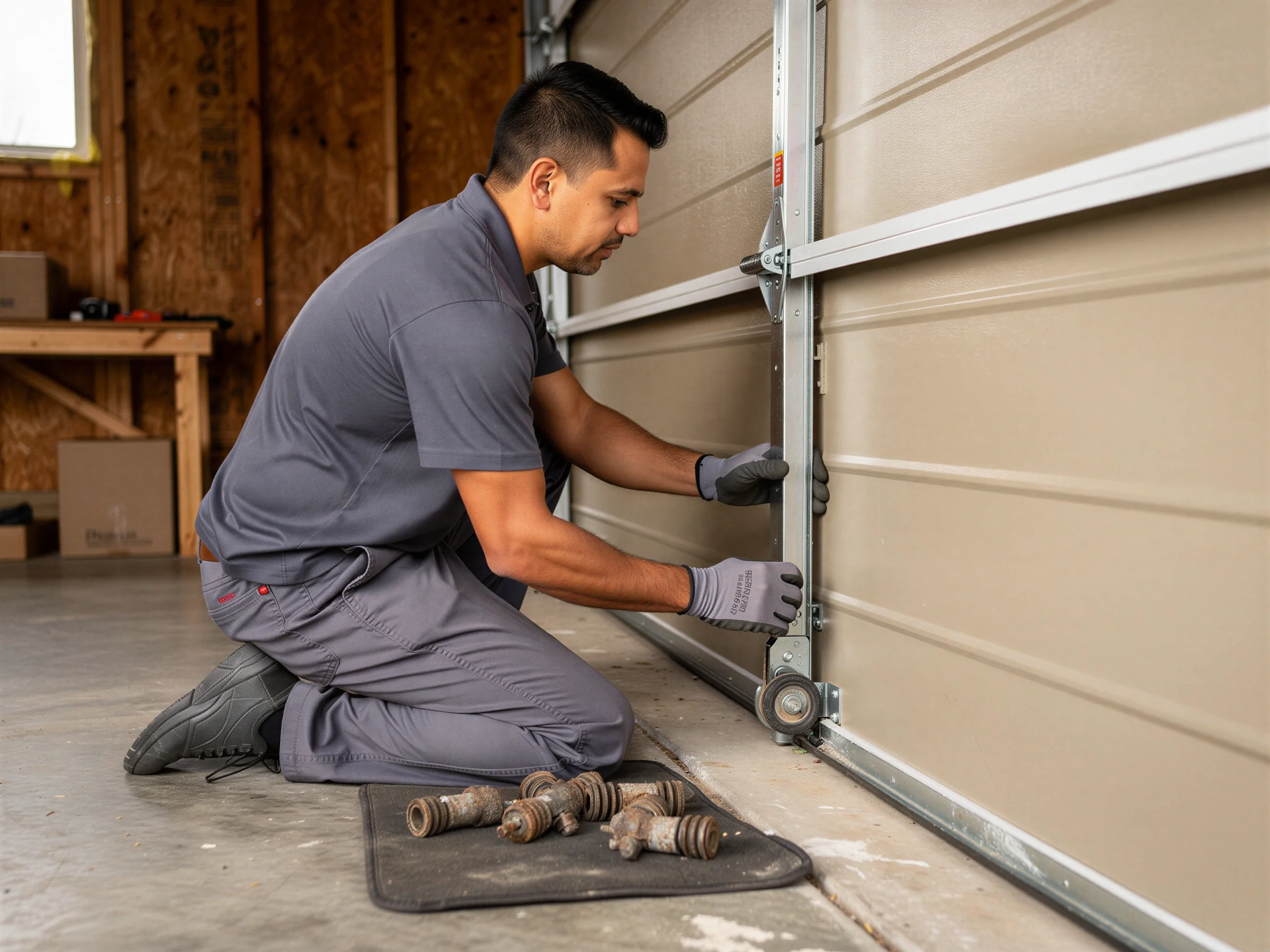
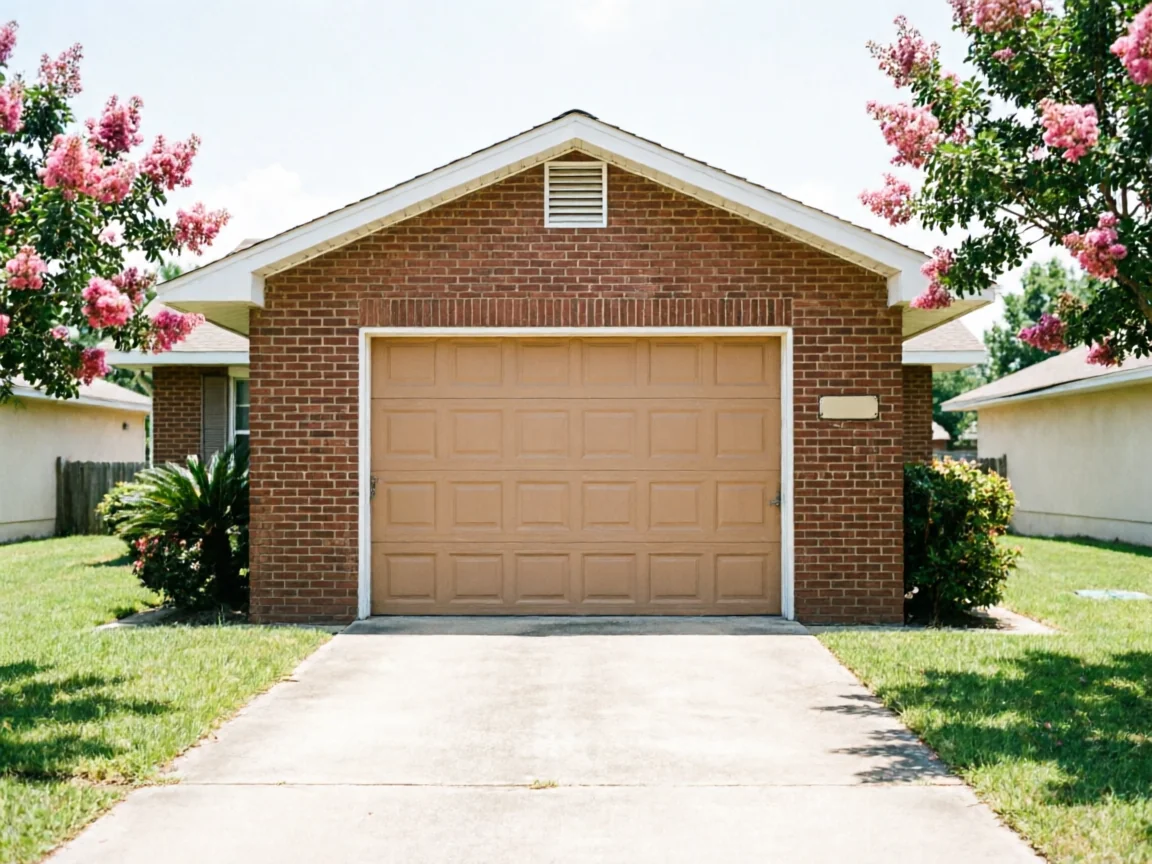
A proper repair on a house from this era starts with pulling the drums and inspecting the shaft for wear grooves - common once a torsion spring has been running mismatched or undersized for a few decades.
Replace both springs
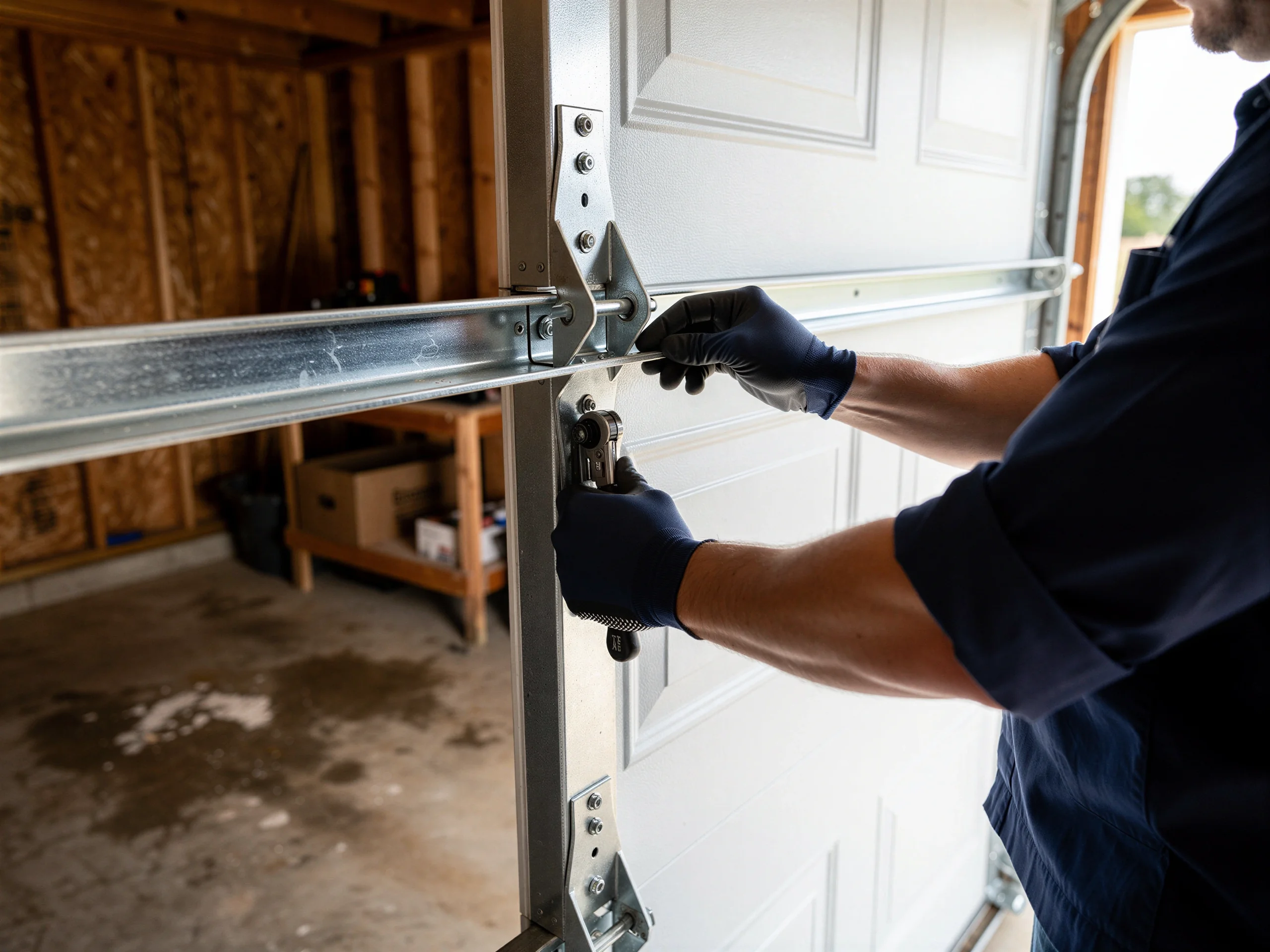
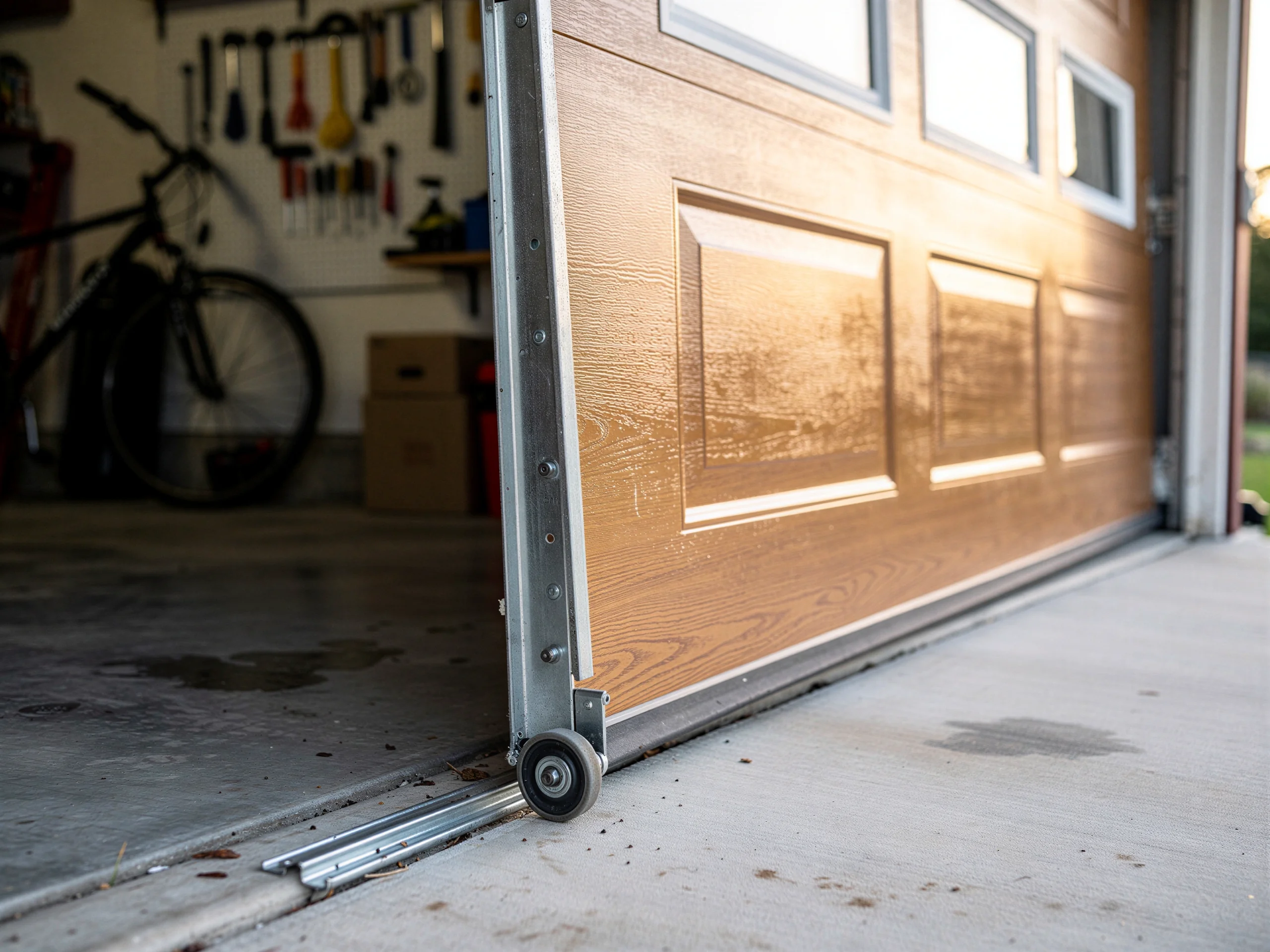
If the springs are original, we replace both, even if only one broke, because the other is on the same clock. Rollers get checked next; nylon rollers from the 80s and 90s tend to have gone brittle or chipped, which shows up as a grinding noise on the way up.
Gear kit or full unit
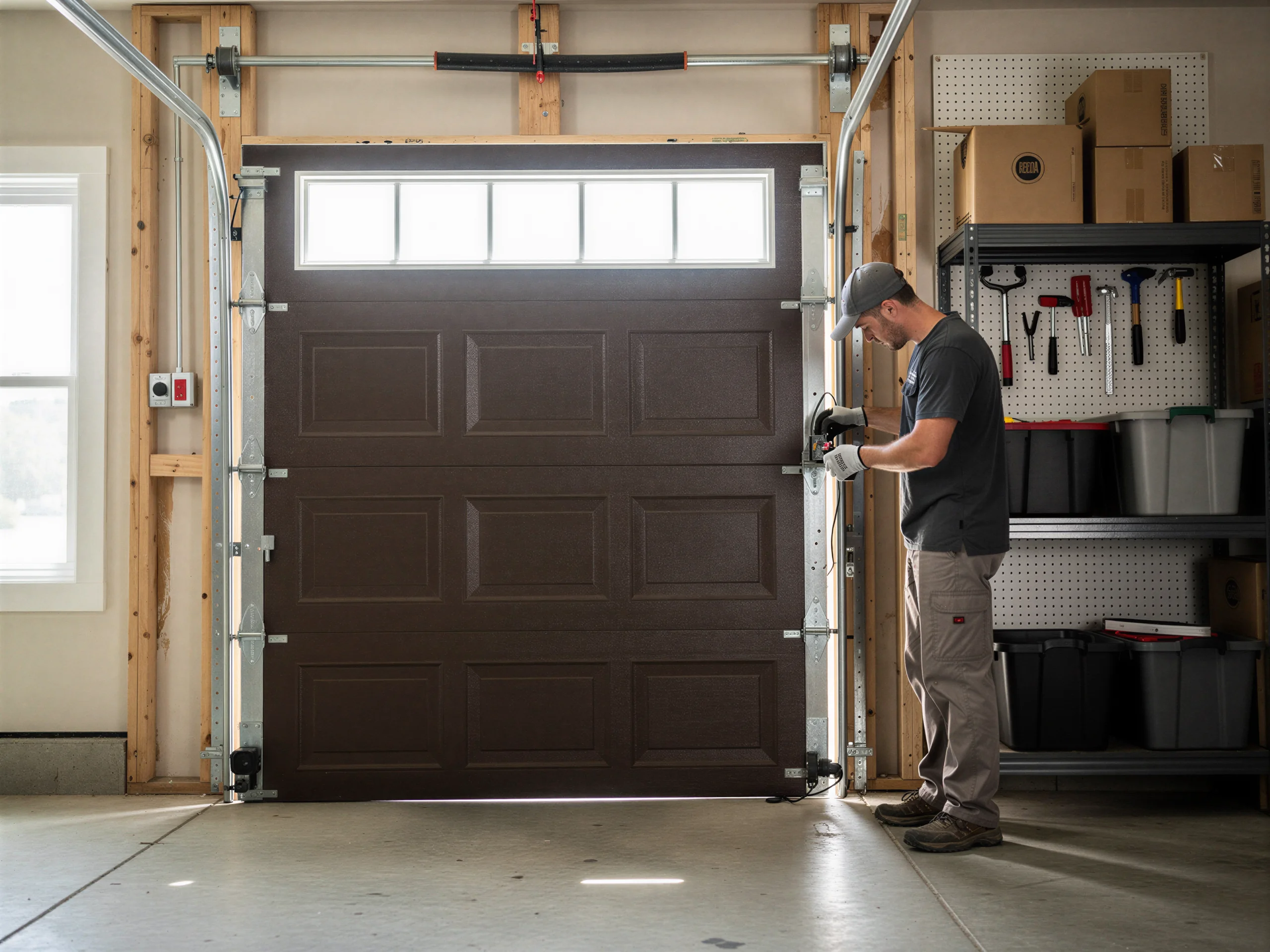
If the opener is original to the house, we look at whether the gear kit or the whole unit makes more sense. Past a certain point - stripped gears, a motor that's already been replaced once, a logic board that's failing intermittently - patching it just delays the same call. We're honest about that line rather than selling a part that won't hold.
Doing It Yourself
Lubricating hinges and rollers, tightening loose bolts on the track brackets, and testing the auto-reverse by placing a 2x4 under the door are all things an owner can do safely. Replacing a torsion spring is not one of them. A wound torsion spring holds enough stored energy to break a wrist or worse, and the tools to do it safely - winding bars, a properly sized vise grip, a ladder rated for the reach - aren't things most garages have lying around.
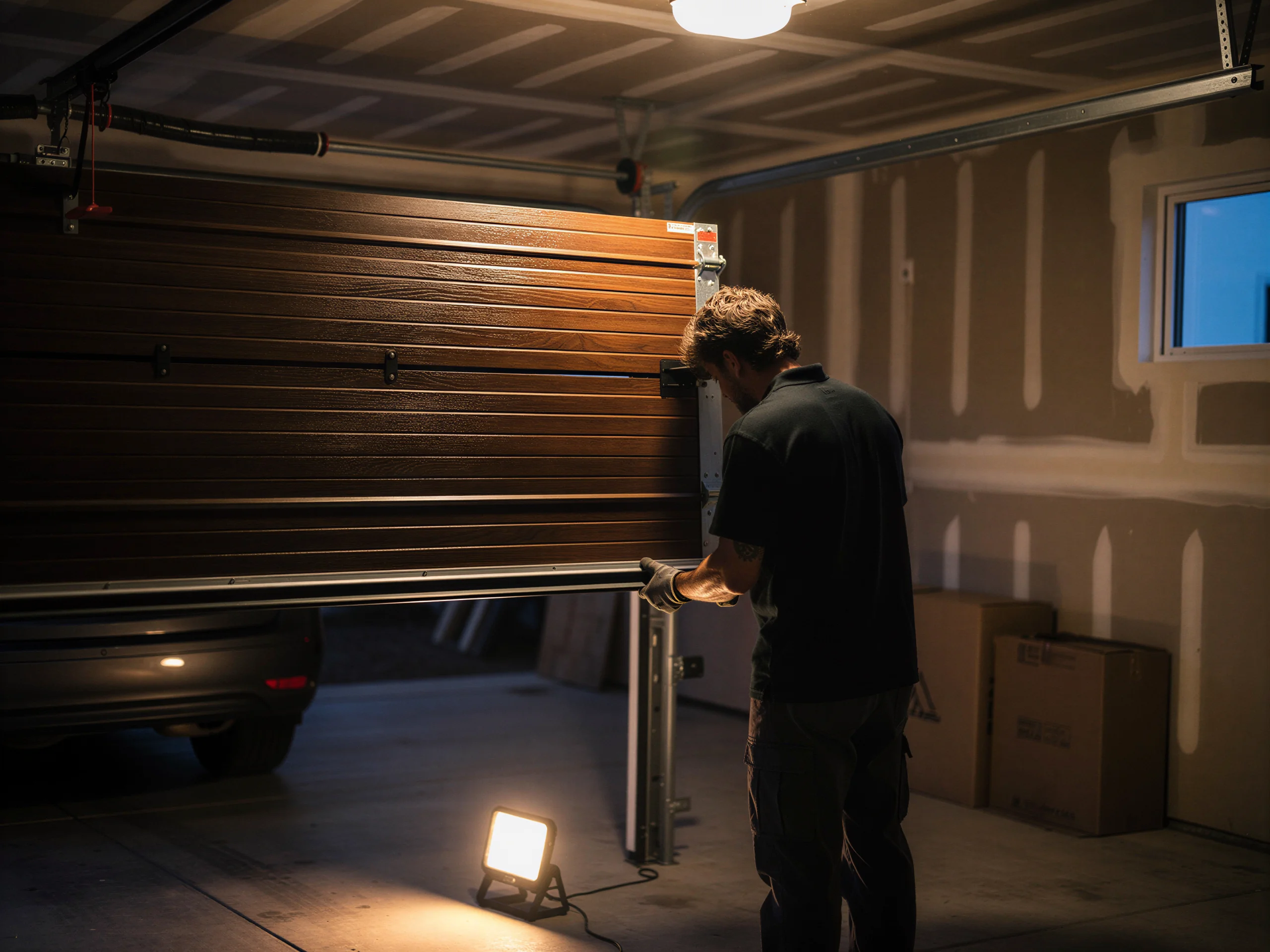
If your door is from the original 1987-era build and you're hearing a loud bang followed by the door refusing to open, that's almost certainly a broken spring. Don't try to force the door by hand or override the opener. Leave it closed and call it in.
How Long It Takes
A straightforward spring replacement on a standard double door runs about 45 minutes to an hour once the truck is on site, parts in hand. Opener swaps take longer - figure an hour and a half to two hours, more if the old unit's wiring or the wall console needs updating to match a current model. Track realignment or roller replacement adds time depending on how bad the wear is.
What we can't promise is a same-day slot every time, since the crew is routing out of Grapevine to cover University Park along with the rest of the area. If a part isn't on the truck - certain opener logic boards in particular - that can mean a return trip rather than a one-visit fix.
The Complications
University Park sits in a smaller pocket than most of the towns this crew covers - a few thousand households rather than the tens of thousands spread across the wider service area of 114,435.
Obscure parts wait
That matters for parts stocking: less call volume from this specific area means less reason to keep every obscure 1987-vintage part pre-loaded on the truck, so a rare opener model can mean a short wait.
Heavier insulated panels
Household income here runs well above the service area's overall median, and it shows in the doors - more insulated steel and wood-composite panels than the bare single-layer steel common on older production-built tracts.
Undersized springs fail early
Those heavier doors put more strain on undersized original springs, which is part of why spring failures here tend to come earlier in the door's life, not later. The region's heat band is moderate rather than extreme, so the more common failure is mechanical fatigue and UV wear on seals rather than heat-warped panels.
Talk to a local pro
Garage door service in Grapevine?
Same-day service with honest, upfront quotes.